
Certificate IV in Work Health and Safety: Your Path to WHS Professional Excellence
What is Certificate IV in Work Health and Safety?
Certificate IV in Work Health and Safety (BSB41419) is an AQF Level 4 qualification that provides comprehensive training in workplace health and safety management. This nationally recognised VET qualification equips learners with advanced skills to implement, monitor, and evaluate Work Health and Safety Management Systems (WHSMS) across various industries. The qualification covers critical competencies including hazard identification, risk assessment, incident investigation, and regulatory compliance. Graduates can pursue careers as WHS coordinators, safety advisors, or compliance officers in construction, manufacturing, healthcare, and government sectors. The course aligns with Australian Work Health and Safety legislation and ASQA standards, ensuring graduates meet industry requirements for supervisory WHS roles across Australia.
If you’re interested in exploring a career as one of the professionals working to keep us safe, healthy and productive at work, then it’s time for an advanced qualification. The Work Health Safety (WHS) cert will set your skills apart from others who don’t have this level of breakthrough knowledge that is vital these days—especially with changing public sector requirements!
A Certificate IV in Work Health and Safety will also equip you with the necessary skills and knowledge that you will need to perform a supervisory role effectively and efficiently. The following are some of the topics and competencies covered in the course.
Understanding Work Health and Safety Management Systems
Work Health and Safety Management Systems (WHSMS) provide the framework that allows WHS professionals or the management to ensure the safety and protection of employees. It pertains to the set of policies, procedures, and plans to systematically manage health and safety at work and cases of injuries and illnesses. In this course, you will gain skills to contribute to the development, implementation, and evaluation of WHSMS.
Your understanding of WHSMS will encompass risk management principles, hazard identification processes, and the integration of safety culture within organisational frameworks. You’ll learn to develop comprehensive safety documentation, establish monitoring procedures, and create evaluation metrics that demonstrate continuous improvement in workplace safety outcomes.
How Can You Develop Essential Communication Skills for WHS Roles?
Most of your job as a WHS professional is to ensure people’s safety. To do that, you must communicate the legislation, policies, and procedures so people can follow them accordingly. You need to actively promote and remind everyone about health and safety in various situations using different tools and strategies. This is why enhancing your communication skills is a must. In this course, you will work on your written and oral communication.
Effective WHS communication involves translating complex safety regulations into clear, actionable guidance for diverse audiences. You’ll develop skills in creating safety briefings, conducting toolbox talks, preparing incident reports, and facilitating consultation processes. The course emphasises culturally appropriate communication methods and techniques for engaging workers from various backgrounds and literacy levels.
What Does Managing Return-to-Work Programmes Involve?
Managing return-to-work programmes represents a critical component of comprehensive workplace health and safety management. These programmes ensure injured workers receive appropriate support during their recovery and rehabilitation journey whilst maintaining their connection to the workplace. You’ll learn to coordinate with healthcare providers, insurance companies, and rehabilitation specialists to develop tailored return-to-work plans.
Your role will involve conducting workplace assessments to identify suitable duties, monitoring progress through regular reviews, and ensuring compliance with workers’ compensation legislation. The programme emphasises early intervention strategies, modified duties planning, and collaborative approaches that benefit both employees and employers through reduced costs and improved outcomes.
Why Is Hazard Identification and Risk Assessment Critical?
Hazard identification and risk assessment form the cornerstone of effective workplace safety management. Through systematic approaches, you’ll learn to recognise potential hazards across various work environments, from obvious physical dangers to subtle psychosocial risks. The course covers comprehensive risk assessment methodologies, including quantitative and qualitative analysis techniques. Find out more about how to WHS qualifications through RPL.
You’ll develop expertise in conducting workplace inspections, analysing incident data, and implementing hierarchy of controls to eliminate or minimise identified risks. The curriculum includes practical applications across different industries, ensuring you can adapt risk assessment principles to construction sites, offices, manufacturing facilities, and service environments effectively.
Ready to advance your WHS career? Start your RPL assessment today and discover how your existing experience can fast-track your qualification.
Understanding WHS Legislation and Regulatory Requirements
Navigating Australia’s complex WHS regulatory environment requires comprehensive understanding of federal and state legislation, codes of practice, and Australian Standards. The course provides detailed coverage of the Work Health and Safety Act 2011, associated regulations, and their practical application across different jurisdictions.
You’ll gain expertise in interpreting legal requirements, ensuring organisational compliance, and understanding the roles and responsibilities of various duty holders. The curriculum includes recent legislative changes, enforcement trends, and best practices for maintaining compliance whilst supporting business operations. This knowledge proves invaluable for organisations seeking to avoid penalties and maintain their reputation.
How Do You Investigate Workplace Incidents Effectively?
Incident investigation skills enable you to systematically analyse workplace accidents, near misses, and safety breaches to prevent recurrence. The course teaches structured investigation methodologies, evidence collection techniques, and root cause analysis approaches that go beyond immediate causes to identify systemic failures.
You’ll learn to conduct witness interviews, analyse physical evidence, and prepare comprehensive investigation reports that support continuous improvement initiatives. The curriculum emphasises the importance of creating a just culture where reporting is encouraged, and investigations focus on system improvements rather than individual blame.
Building Safety Culture and Employee Engagement
Developing positive safety culture requires strategic leadership, effective communication, and sustained engagement across all organisational levels. The course explores psychological safety concepts, behaviour change theories, and practical strategies for fostering environments where safety becomes everyone’s responsibility.
You’ll gain skills in designing safety campaigns, facilitating safety committees, and implementing recognition programmes that reinforce positive safety behaviours. The curriculum includes change management principles, stakeholder engagement techniques, and methods for measuring cultural transformation through leading and lagging indicators.
Recognition of Prior Learning for WHS Professionals
Recognition of Prior Learning (RPL) provides experienced professionals with an efficient pathway to gain formal WHS qualifications without repeating training for skills they already possess. If you have substantial experience in workplace safety, emergency response, or supervisory roles, RPL can significantly reduce your study time and costs.
The RPL process involves comprehensive assessment of your existing knowledge, skills, and experience against the qualification’s unit requirements. You’ll compile a portfolio demonstrating your competency through work samples, supervisor references, and practical assessments. This approach recognises informal learning gained through employment, volunteer work, and life experiences. For more information, understanding Recognition of Prior Learning.
3CIR specialises in RPL assessments for Certificate IV in Work Health and Safety, working with experienced assessors who understand industry requirements and can guide you through the evidence-gathering process. Our streamlined approach ensures qualified candidates can achieve their qualification efficiently whilst maintaining rigorous assessment standards required by ASQA and industry employers.
Complete your RPL assessment form to begin the qualification process and discover how your experience translates into formal credentials.
Benefits for Veterans and Emergency Services Personnel
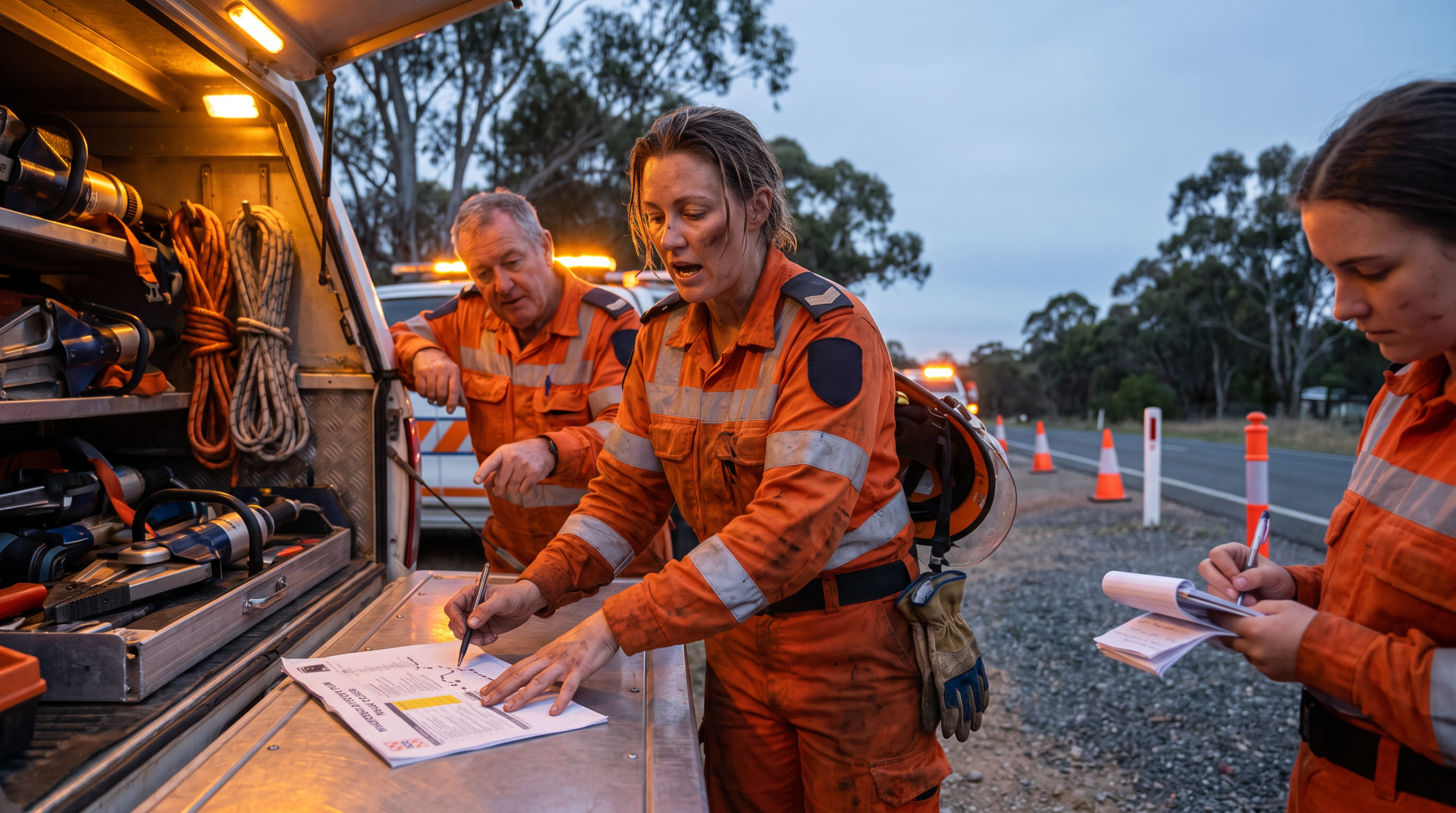
Current and former Australian Defence Force (ADF) and emergency services personnel possess extensive experience in safety management, risk assessment, and crisis response that directly translates to civilian WHS roles. Your military or emergency services background provides valuable foundations in systematic safety approaches, incident management, and leadership under pressure.
3CIR recognises the unique skills veterans bring to workplace safety and offers a 25% discount on all qualifications for current and former defence and emergency services personnel. This discount acknowledges your service whilst supporting your transition into civilian WHS careers where your expertise is highly valued.
Veterans often excel in WHS roles due to their disciplined approach to procedures, strong communication skills, and ability to remain calm during emergencies. Your experience with safety protocols, team leadership, and regulatory compliance provides excellent preparation for supervisory WHS positions across industries including construction, mining, manufacturing, and government sectors.
The transition from military or emergency services to civilian WHS roles is natural and rewarding, offering opportunities to continue serving your community whilst building a stable career in the growing safety industry. With Australia’s increasing focus on workplace safety, qualified WHS professionals are in high demand across all sectors.
Frequently Asked Questions
What career opportunities exist after completing Certificate IV in Work Health and Safety?
Graduates can pursue roles as WHS coordinators, safety advisors, compliance officers, and injury management coordinators. Industries seeking these professionals include construction, manufacturing, healthcare, mining, and government sectors with competitive salaries ranging from a competitive salary.
How long does it take to complete Certificate IV in Work Health and Safety?
Standard completion time ranges from 6-12 months depending on study mode and prior experience. RPL candidates with substantial experience may complete the qualification in 3-6 months through evidence-based assessment of existing competencies.
What are the entry requirements for this qualification?
No formal entry requirements exist, though basic literacy and numeracy skills are essential. Relevant work experience in supervisory roles or safety-related positions provides excellent preparation for course content and practical applications.
Is Certificate IV in Work Health and Safety recognised nationally?
Yes, this AQF Level 4 qualification is nationally recognised across Australia through the national training system. Graduates can work in any Australian state or territory with full qualification recognition by employers and regulatory bodies. You can start your free assessment to find out what qualifications match your experience.
How does Certificate IV in WHS benefit ADF veterans?
ADF veterans possess strong foundations in safety protocols, risk management, and leadership that directly translate to civilian WHS roles. Military experience in systematic approaches, incident response, and regulatory compliance provides excellent preparation for advanced WHS positions.
What specific skills do emergency services personnel bring to WHS roles?
Emergency services personnel excel in hazard identification, crisis management, and rapid response situations. Their experience with safety procedures, community engagement, and regulatory compliance makes them ideal candidates for WHS leadership positions across various industries.
Can I study Certificate IV in Work Health and Safety online?
Yes, 3CIR delivers this qualification through flexible online learning with practical components. Online study allows working professionals to complete the course whilst maintaining employment, with assessment support and industry-experienced trainers available throughout.
What assessment methods are used in this qualification?
Assessment combines written assignments, practical demonstrations, case studies, and workplace projects. RPL candidates complete portfolio-based assessments demonstrating existing competencies through work samples, supervisor references, and practical evaluations.
How much does Certificate IV in Work Health and Safety cost?
Course fees vary based on delivery mode and individual circumstances. 3CIR offers competitive pricing with 25% discounts for current and former defence and emergency services personnel, plus flexible payment options to support your professional development.
What continuing education opportunities exist after this qualification?
Graduates can progress to Diploma of Work Health and Safety, specialised certifications in areas like ergonomics or construction safety, or university degrees in occupational health and safety. Continuous professional development ensures currency with evolving regulations and industry practices.
Take the next step in your WHS career journey. Contact 3CIR today to discuss your qualification options and discover how Certificate IV in Work Health and Safety can advance your professional goals.
Related Training Videos
- Leadership Training
- Human Resources Training
- Work Health and Safety Training
- Security Training
- Business Training
- Marketing Training
- Government Training
- Project Management Training
Ready to Advance Your WHS Career?
Join thousands of professionals who have enhanced their careers with 3CIR qualifications. Start your journey today with our comprehensive Certificate IV in Work Health and Safety programme.