Choosing the Best Project Management Online Course in Australia
What is Project Management?
Project delivery is a professional discipline that involves the application of knowledge, skills, tools, and techniques to execute projects effectively and efficiently. It encompasses the initiation, planning, execution, monitoring, controlling, and closure of projects to achieve specific goals and meet success criteria within specified timeframes and budgets. In Australia, project management qualifications are regulated under the Australian Qualifications Framework (AQF) and delivered by Registered Training Organisations (RTOs) approved by the Australian Skills Quality Authority (ASQA). The field combines leadership, communication, risk management, and strategic planning to deliver successful outcomes across diverse industries including construction, information technology, healthcare, and government sectors. Modern project coordination methodologies incorporate both traditional waterfall approaches and agile frameworks to adapt to varying project requirements and organisational needs.
If you have the capability and willingness to be involved in leading projects, you might want to consider getting qualified in project management. The right managing projects online course can get you started in your chosen career and help you climb the professional ladder to become a capable project leader. Specific courses may even encourage your current employers to promote you sooner. Many industries today require project managers. As a professional, your employer will entrust you to ensure that projects are executed smoothly and cost-effectively while speeding up the achievement of project objectives within agreed deadlines.
Which project management online course is right for you? Here’s a comprehensive guide to help you make an informed decision about your professional development journey.
Understanding Your Project delivery Course Options
It’s important to know your options when it comes time for professional development. You might wonder about the difference between a Diploma in Project Management, Certificate IV in Project coordination Practice, or an Advanced Degree like a Graduate Program. The best way to understand these qualifications is to examine how each level builds upon the previous one and prepares you for different career trajectories.
All courses offer different skills and learnings, but they can also lead to certain careers depending on how much work experience has been gained during your professional years leading up until now. Diploma of Project Management is an online course that will develop your managerial skills, especially if you’re already working in a program administration or coordination role and seeking advancement.
The Australian VET sector offers structured pathways through the AQF levels, ensuring that each qualification builds appropriate competencies for different roles within managing projects hierarchies. Whether you’re starting your career or looking to formalise existing skills, there’s a suitable qualification level for your needs.
What Makes a Quality Project Management Training Program?
When evaluating project delivery courses, you should look for programs that combine theoretical knowledge with practical application. Quality training programs incorporate real-world case studies, industry-standard methodologies, and assessment tasks that mirror actual workplace challenges. The best courses also provide ongoing support through experienced trainers who understand current industry practices.
Look for courses that are nationally recognised and delivered by RTOs with strong industry connections. This ensures your qualification will be respected by employers and provides pathways for further professional development. Quality programs also offer flexible delivery modes to accommodate working professionals, including online learning platforms and blended learning approaches.
Apply for RPL assessment to determine if your existing skills can fast-track your qualification journey.
How Do You Choose Between Different Qualification Levels?
Your choice between Certificate IV, Diploma, or Advanced Diploma levels should align with your career goals and current experience. Certificate IV in Project Management Practice suits those new to project coordination or seeking to formalise basic skills. This qualification covers fundamental concepts including project scope, timeline management, and basic risk assessment.
Diploma-level qualifications target those ready for supervisory or management responsibilities. These courses delve deeper into strategic planning, stakeholder management, and complex project coordination. Advanced Diploma programs prepare you for senior management roles with emphasis on organisational strategy and multi-project portfolio management. Find out more about how to RPL for project managers.
Consider your current role, desired career progression, and the typical requirements in your industry when making this decision. Many professionals find that starting with Certificate IV and progressing to Diploma provides a solid foundation while allowing career advancement along the way.
Which Industries Benefit Most from Project Management Qualifications?
Managing projects skills are increasingly valuable across diverse industries. Construction and engineering sectors have traditionally relied on qualified project managers, but demand has expanded into healthcare, information technology, education, and government sectors. Each industry brings unique challenges requiring adapted project management approaches.
In construction, project managers coordinate trades, manage regulatory compliance, and ensure safety standards. IT project managers focus on software development lifecycles, system implementations, and digital transformation initiatives. Healthcare project managers oversee facility upgrades, equipment installations, and process improvement programs.
Government and defence sectors particularly value project delivery qualifications for infrastructure projects, policy implementation, and organisational change management. These roles often require security clearances and understanding of public sector procurement processes.
What Should You Expect from Online Project Management Learning?
Online project coordination courses offer flexibility for working professionals while maintaining rigorous academic standards. Expect interactive learning modules, virtual simulations, and collaborative project assignments that mirror real workplace scenarios. Quality online programs provide multiple touchpoints with trainers through video conferences, discussion forums, and one-on-one mentoring sessions.
Modern learning management systems incorporate multimedia content, progress tracking, and mobile accessibility. You’ll engage with case studies from various industries, participate in virtual team projects, and complete assessments that demonstrate practical competency rather than just theoretical knowledge.
Successful online learning requires self-discipline and time management skills, but the flexibility allows you to study around work commitments and personal responsibilities. Many students find online delivery more convenient than traditional classroom attendance.
Recognition of Prior Learning for Project Management
Recognition of Prior Learning (RPL) offers an accelerated pathway to managing projects qualifications for experienced professionals. If you’ve been managing projects informally or have relevant experience from previous roles, RPL assessment can recognise these skills toward formal qualifications. This process evaluates your existing knowledge and competencies against unit requirements.
RPL is particularly valuable for professionals who have developed project management skills through workplace experience but lack formal qualifications. The assessment process involves compiling a portfolio of evidence demonstrating your competencies, including work samples, references, and detailed accounts of your project delivery experience.
Common evidence types include project plans you’ve developed, reports you’ve written, testimonials from supervisors or clients, and documentation of successful project outcomes. The RPL process can significantly reduce study time and costs while providing formal recognition of your existing capabilities. For more information, learn how RPL works.
Start your RPL assessment today to discover how your existing skills translate to formal qualifications.
Veterans and Emergency Services Personnel Benefits
Veterans and emergency services personnel bring valuable project management experience from their service careers. Military operations, emergency response coordination, and logistics management provide excellent foundations for civilian project coordination roles. The structured approach, attention to detail, and leadership skills developed in service translate directly to project management competencies.
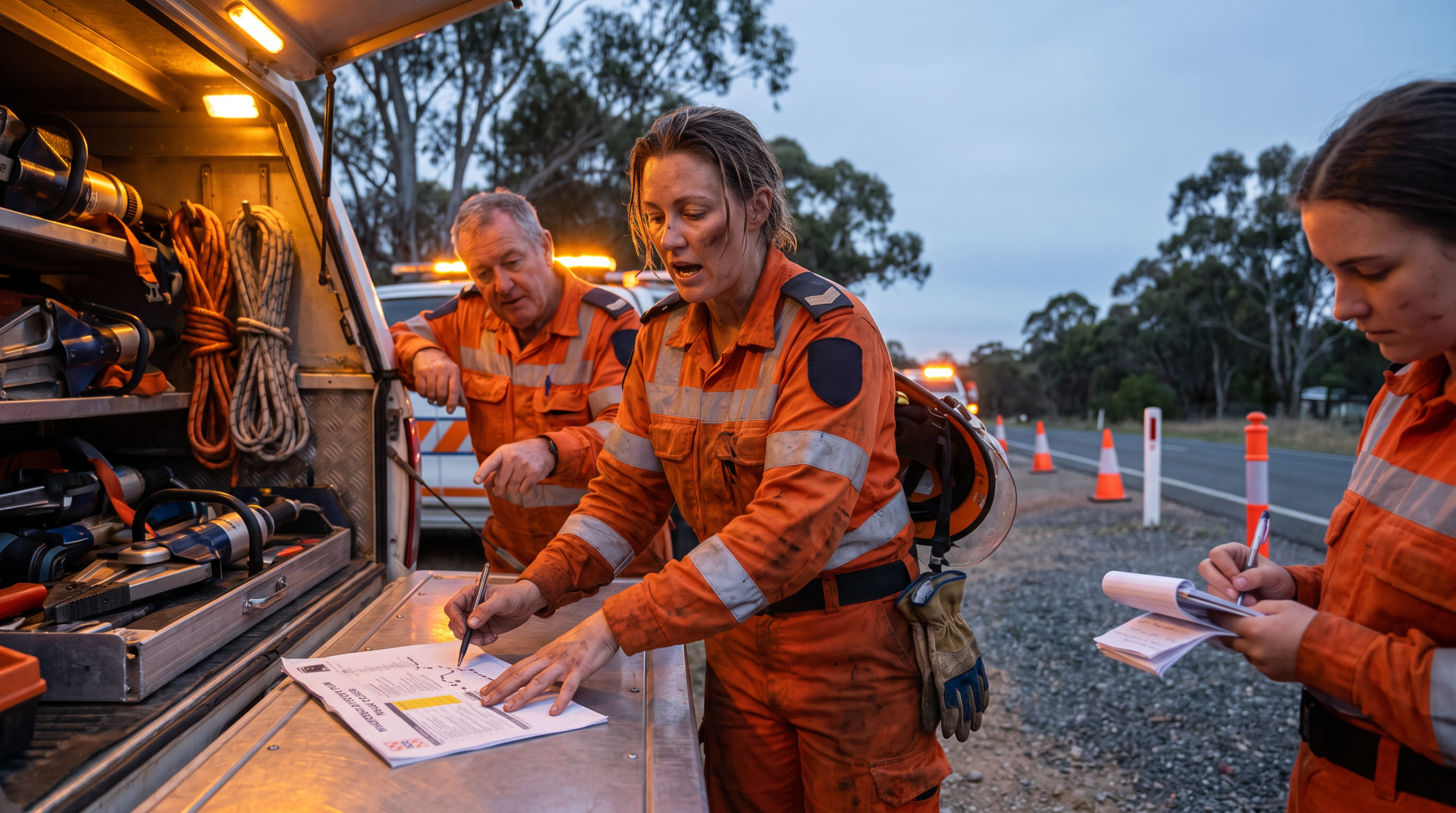
3CIR recognises the unique value that ADF and emergency services personnel bring to managing projects. That’s why we offer a 25% discount for all current and former defence and emergency services personnel. This discount acknowledges your service while making professional development more accessible as you transition to civilian careers.
Many veterans find project management an ideal career choice because it utilises their existing skills in planning, coordination, and leadership while offering opportunities for advancement in civilian industries. The qualification provides formal recognition of capabilities you’ve already demonstrated in challenging operational environments.
Emergency services personnel, including police, fire, and ambulance officers, have extensive experience in crisis management, resource coordination, and multi-agency collaboration. These skills are highly valued in project delivery roles, particularly in sectors requiring emergency planning or risk management expertise.
Frequently Asked Questions
What is the difference between Certificate IV and Diploma in Project Management?
Certificate IV provides foundation-level skills for entry-level project coordinator roles, while Diploma qualifications prepare you for project manager positions with greater responsibility. Diploma courses cover advanced topics including strategic planning, complex stakeholder management, and multi-project coordination that Certificate IV programs don’t address in depth.
How long does it take to complete a project coordination online course?
Completion times vary based on qualification level and study mode. Certificate IV typically takes 6-12 months part-time, while Diploma programs require 12-18 months. RPL assessment can significantly reduce these timeframes by recognising existing skills and experience toward qualification requirements.
Are online project management courses nationally recognised in Australia?
Yes, online courses delivered by registered RTOs provide nationally recognised qualifications under the Australian Qualifications Framework. These qualifications are accepted by employers across Australia and provide credit transfer opportunities for further study. Always verify RTO registration through the ASQA website before enrolling.
What career opportunities exist after completing managing projects training?
Qualified project managers work across industries including construction, IT, healthcare, government, and consulting. Entry-level positions include project coordinator and assistant project manager roles. With experience, you can progress to senior project manager, program manager, or portfolio manager positions with increasing responsibility and remuneration.
How does RPL work for project management qualifications?
RPL assessment evaluates your existing skills and experience against unit competencies. You’ll compile evidence including work samples, supervisor references, and detailed project descriptions. Qualified assessors review your evidence to determine which units you’ve already mastered, potentially reducing study requirements and costs significantly. You can check your RPL eligibility to find out what qualifications match your experience.
What project delivery methodologies are covered in Australian courses?
Australian project management courses typically cover traditional waterfall methodology alongside agile frameworks like Scrum and Kanban. You’ll learn about PMBOK guidelines, PRINCE2 principles, and lean project coordination approaches. The curriculum emphasises practical application rather than just theoretical knowledge.
Can ADF personnel use their military experience for project management qualifications?
Absolutely. Military personnel have extensive managing projects experience through operations planning, logistics coordination, and leadership roles. This experience often maps directly to civilian project management competencies. 3CIR offers RPL assessment and 25% discounts for all current and former ADF members.
Do emergency services personnel have relevant project delivery experience?
Yes, emergency services personnel regularly manage complex operations involving multiple agencies, resource coordination, and time-critical decision making. These skills translate directly to civilian project management roles. The structured approach and crisis management experience are particularly valuable in high-pressure project environments.
What technology skills are needed for online project coordination study?
Basic computer literacy including email, web browsing, and document creation is sufficient for most online programs. Learning management systems are designed for ease of use with training provided. Many courses also introduce project management software like Microsoft Project or cloud-based collaboration tools as part of the curriculum.
How much does managing projects training cost in Australia?
Costs vary by qualification level and RTO. Certificate IV programs typically range from a competitive salary, while Diploma qualifications cost a competitive salary. Government funding may be available through VET Student Loans or state-specific programs. Veterans and emergency services personnel receive 25% discounts, making training more affordable.
Ready to advance your project management career? Contact 3CIR today to discuss your training options and discover how our nationally recognised qualifications can accelerate your professional development. Our experienced team will help you choose the right course for your career goals and assess whether RPL can fast-track your journey to qualification.
For more information about specific project delivery qualifications and career pathways, visit the official training.gov.au website to explore unit requirements and learning outcomes. You can also review qualification standards through the Australian Qualifications Framework to understand how different levels align with career progression opportunities.
Related Training Videos: