
Everything You Need to Know about Recognition of Prior Learning (RPL) Assessment Plan, Process, and Learning Methods
AI Summary: Recognition of Prior Learning (RPL) enables you to gain formal qualifications by demonstrating your existing skills and knowledge gained through work experience, making career transitions faster and more affordable for veterans and professionals.
What is Recognition of Prior Learning?
Recognition of Prior Learning (RPL) is a formal assessment process within the Australian Vocational Education and Training (VET) system that evaluates your existing skills, knowledge, and experience against nationally recognised qualifications. Administered by Registered Training Organisations (RTOs) and regulated by the Australian Skills Quality Authority (ASQA), RPL allows individuals to receive credit for competencies they have already developed through work experience, informal learning, or previous training. This process eliminates the need to repeat learning you have already mastered, significantly reducing study time and costs while providing pathways to formal qualifications that align with the Australian Qualifications Framework (AQF). RPL is particularly valuable for career changers, veterans transitioning to civilian roles, and experienced workers seeking formal recognition of their expertise.
Sometimes, people graduate from university and land a job in what they thought was their dream field, but it turns out to be the wrong choice. Parents and teachers encourage us to start thinking about what we’d like to do as adults from a young age, and sometimes, when we realise we should’ve done something different, it’s too late to make a change. However, it’s never too late to find a job in a different industry if you want to study. Thanks to your experience and transferable skills, earning qualifications might not take as long as you’d assume.
Sometimes, people have no choice but to switch careers, such as leaving the Army, Navy or Air Forces before retiring without enough savings to sustain a lifetime of spending. If you are in such a position and think you’ll have to settle for a low-paying job with few to zero career progression opportunities, you probably haven’t heard of the recognition of prior learning (RPL) assessment plan. RPL methods let people fast-track their learning based on the knowledge they possess from experience and previous job roles, meaning you can change careers without starting from square one.
How Does RPL Assessment Work in Practice?
The RPL assessment process is a structured evaluation system that acknowledges your existing competencies against specific qualification standards. When you apply for RPL through a registered training organisation like 3CIR, you’ll undergo a comprehensive assessment that examines your skills through multiple evidence types. This evidence-based approach ensures that your practical knowledge and experience are thoroughly evaluated against industry standards.
Your RPL journey begins with a detailed skills audit where assessors review your work history, training records, and practical demonstrations. The assessment methods may include portfolio submissions, workplace observations, professional interviews, and practical skill demonstrations. Each piece of evidence contributes to building a complete picture of your competencies, ensuring that you receive full credit for your existing knowledge and skills.
Start Your RPL Assessment Today
What Are the Key Benefits of RPL for Career Changers?
RPL offers significant advantages for professionals seeking career transitions or formal recognition of their expertise. The primary benefit is time efficiency – instead of completing full courses that cover skills you already possess, RPL allows you to focus only on areas where you need additional learning. This targeted approach can reduce your study time by months or even years, depending on your experience level.
Cost savings represent another major advantage. Traditional training programs require full fee payment regardless of your existing knowledge. RPL assessments evaluate what you already know, potentially reducing your training costs significantly. For those with extensive experience, the savings can be substantial, making formal qualifications more accessible and affordable.
The confidence boost from having your experience formally recognised cannot be understated. Many experienced professionals suffer from imposter syndrome or feel their practical knowledge lacks credibility without formal qualifications. RPL validates your expertise, providing the credentials needed to compete effectively in today’s qualification-conscious job market.
Which Industries Benefit Most from RPL Assessment?
Certain industries are particularly well-suited to RPL assessment due to their emphasis on practical skills and experience-based learning. The construction and trades sector sees frequent RPL applications, as many skilled workers have learned through apprenticeships, on-the-job training, or overseas experience that may not align perfectly with Australian qualification standards.
Healthcare and community services represent another major RPL area, particularly for workers with international qualifications or extensive practical experience in care settings. The business and management sector frequently utilises RPL for experienced managers and entrepreneurs who have developed leadership and operational skills through practice rather than formal study. Find out more about how to learn how Recognition of Prior Learning works.
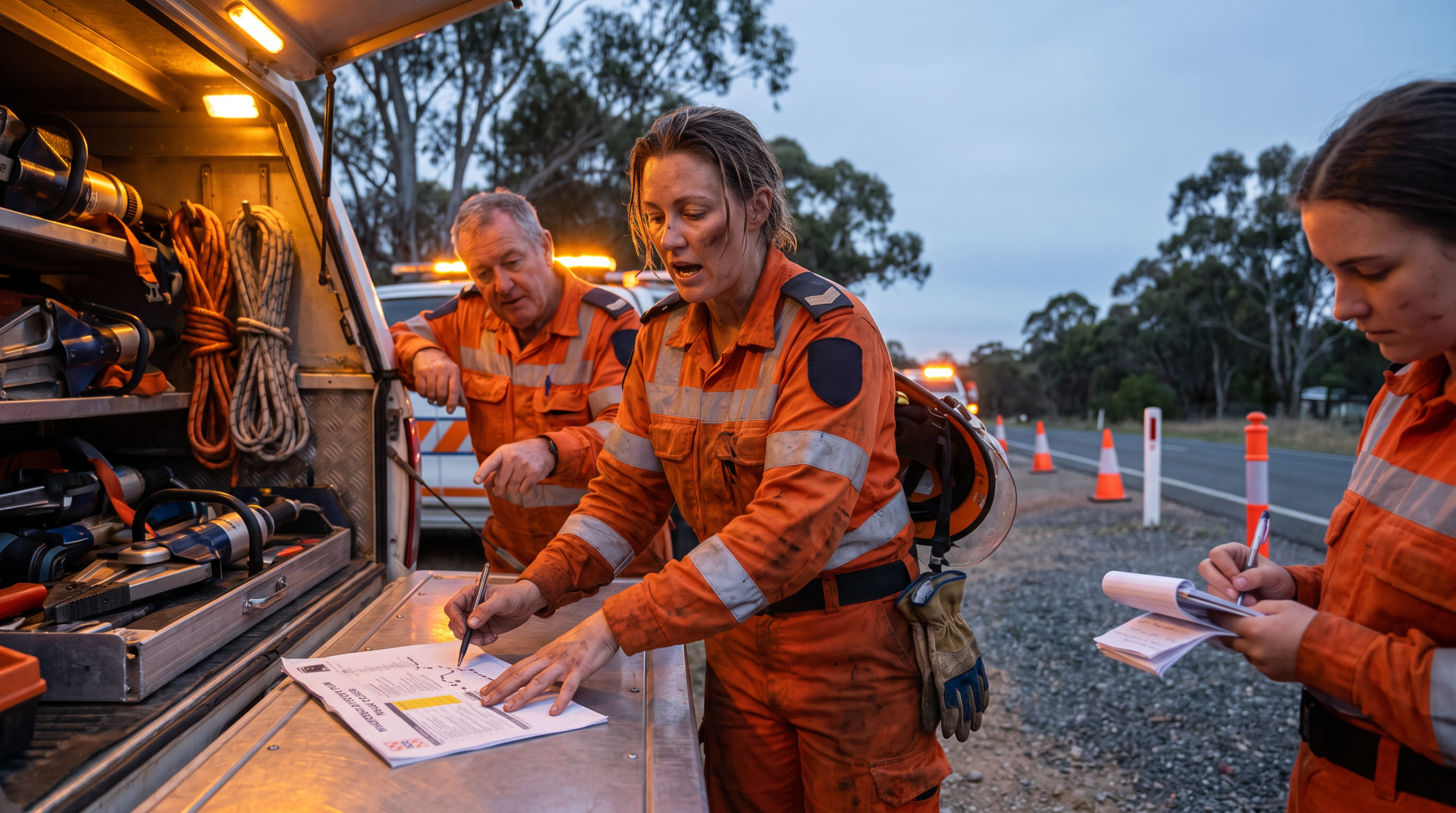
Information technology professionals often find RPL valuable, given the rapidly evolving nature of technology where practical skills and certifications may be more current than formal qualifications. The security and emergency services sectors also commonly use RPL, recognising the extensive training and experience gained through military or emergency response roles.
Visit training.gov.au to explore specific qualification packages and units of competency relevant to your industry experience.
How Should You Prepare Evidence for Your RPL Portfolio?
Successful RPL assessment requires comprehensive evidence that demonstrates your competencies clearly and convincingly. Your evidence portfolio should include a variety of documentation that showcases both your knowledge and practical application of skills. Work-related documents such as job descriptions, performance reviews, project reports, and certificates provide concrete proof of your responsibilities and achievements.
Photographic evidence of your work, particularly in trades or practical roles, can be extremely valuable. Include images of completed projects, equipment you’ve operated, or processes you’ve managed. Ensure all photographs are clear, well-lit, and accompanied by detailed explanations of your role in the work shown.
Third-party validation strengthens your portfolio significantly. Supervisor references, client testimonials, and colleague statements provide independent verification of your skills and knowledge. These references should be specific about your competencies rather than general character references, focusing on particular skills and knowledge areas relevant to your target qualification.
What Common Mistakes Should You Avoid During RPL Assessment?
One of the most frequent RPL mistakes is providing insufficient evidence or evidence that doesn’t clearly demonstrate competency. Simply stating that you have experience isn’t enough – you must show how that experience translates to specific skills and knowledge outlined in the qualification standards. Avoid generic statements and instead provide detailed examples with measurable outcomes.
Another common error is misaligning your evidence with the qualification requirements. Each unit of competency has specific performance criteria and knowledge requirements. Your evidence must address these elements directly rather than simply demonstrating general experience in the field. Carefully review the qualification packaging rules and unit requirements before assembling your portfolio.
Procrastination in evidence gathering often leads to rushed submissions that don’t fully represent your capabilities. Start collecting evidence early and systematically, ensuring you have multiple forms of verification for each competency area. Quality evidence takes time to gather and organise effectively.
Recognition of Prior Learning: Your Pathway to Formal Qualifications
At 3CIR, we specialise in comprehensive RPL assessment services that transform your professional experience into nationally recognised qualifications. Our experienced assessors work closely with you to identify relevant competencies and guide you through the evidence collection process. We understand that your time is valuable, which is why our streamlined approach focuses on efficient assessment without compromising thoroughness.
Our RPL services cover a wide range of qualifications across multiple industry sectors. From business and management to project management, human resources, and security operations, we help you leverage your existing knowledge to achieve formal recognition. Each assessment is tailored to your specific background and career goals, ensuring you receive maximum credit for your experience.
The RPL process through 3CIR begins with a comprehensive skills audit where we map your experience against relevant qualification standards. Our assessors then guide you through evidence collection, providing detailed feedback and support throughout the process. We maintain regular communication to ensure you understand requirements and feel confident about your submission. For more information, RPL FAQs.
Explore our comprehensive range of RPL qualifications designed to meet diverse industry needs and career aspirations.
Learn more about the Australian Qualifications Framework and how RPL fits within the national education system.
Special Recognition for Veterans and Emergency Services Personnel
3CIR proudly supports Australia’s defence personnel and emergency services workers through specialised RPL services and significant financial incentives. We understand the unique challenges faced by military personnel transitioning to civilian careers and the extensive skills developed through defence service that often go unrecognised in civilian qualifications.
25% Discount for All Current and Former Defence and Emergency Services Personnel
All current and former ADF members, police officers, firefighters, paramedics, and other emergency services personnel receive an automatic 25% discount on all 3CIR training programs and RPL assessments. This discount recognises your service to Australia and acknowledges the financial challenges often associated with career transitions.
Our veteran-owned organisation understands military training standards and can effectively translate your defence experience into civilian qualifications. Whether you’re transitioning from combat roles, logistics, communications, or leadership positions, we help you leverage your military experience for civilian career success.
The extensive leadership, project management, and operational skills developed through military service are highly valued in civilian industries. Our RPL assessments recognise competencies gained through military training programs, operational deployments, and command responsibilities, ensuring you receive full credit for your comprehensive professional development.
Frequently Asked Questions About RPL Assessment
How long does the RPL assessment process typically take?
The RPL assessment timeframe varies depending on the complexity of your qualification and the completeness of your evidence portfolio, typically ranging from 2-8 weeks once all documentation is submitted.
What types of evidence are most valuable for RPL assessment?
The most valuable evidence includes work samples, supervisor references, training certificates, performance reviews, project documentation, and photographic evidence of completed work, all directly relating to specific competency requirements.
Can I use overseas experience and qualifications for Australian RPL?
Yes, overseas experience and qualifications can be used for RPL assessment, though additional documentation may be required to demonstrate equivalency to Australian standards and competency requirements. You can check your RPL eligibility to find out what qualifications match your experience.
How does RPL assessment work for ADF personnel transitioning to civilian careers?
ADF personnel can leverage military training, operational experience, and leadership roles for RPL assessment, with our assessors understanding how to translate military competencies into civilian qualification requirements effectively.
What happens if my RPL assessment identifies gaps in my competencies?
If competency gaps are identified, you’ll receive a partial RPL outcome with specific training recommendations to achieve full qualification, often requiring significantly less study than starting from scratch.
Are there specific qualifications that work better with RPL than others?
Practice-based qualifications in business, management, project management, security, and trades typically work well with RPL, as they emphasise practical skills and experience over theoretical knowledge.
How much can I save through RPL compared to traditional training?
RPL can save 50-80% of traditional training costs and time, depending on your experience level and the extent of competencies you can demonstrate through prior learning.
What support is available for emergency services personnel seeking RPL?
Emergency services personnel receive specialised RPL support recognising their unique training backgrounds, operational experience, and leadership development, plus our 25% discount on all services.
Can I combine RPL with additional training if needed?
Absolutely – RPL often identifies specific learning gaps that can be addressed through targeted training, creating an efficient pathway to full qualification without repeating known competencies.
How do I know if RPL is the right choice for my career goals?
RPL is ideal if you have substantial work experience in your target field, want to fast-track your qualification journey, and can provide comprehensive evidence of your practical skills and knowledge.
Ready to Transform Your Experience into Qualifications?
Don’t let your valuable experience go unrecognised. Our expert RPL assessors are ready to help you achieve the qualifications you deserve based on your professional background.