
Recognition of Prior Learning (RPL) Assessment Guide for Australian Professionals | 3CIR
AI Summary: Recognition of Prior Learning (RPL) enables you to gain formal qualifications by demonstrating existing skills and knowledge without completing traditional training. This assessment process validates your professional experience through evidence portfolios, making it ideal for experienced workers seeking career advancement or formal recognition of their expertise.
What is Recognition of Prior Learning (RPL)?
Recognition of Prior Learning (RPL) is an assessment process within Australia’s Vocational Education and Training (VET) system that enables individuals to gain formal qualifications based on their existing skills, knowledge, and experience. Administered by Registered Training Organisations (RTOs) under the Australian Skills Quality Authority (ASQA) framework, RPL allows experienced professionals to demonstrate competency against national training standards without completing traditional classroom-based learning. The process involves comprehensive assessment of evidence including work samples, testimonials, and practical demonstrations to determine if an individual meets the required competency standards outlined in Training Packages on training.gov.au. RPL is particularly valuable for experienced workers in industries such as defence, emergency services, construction, and business who have developed expertise through practical application rather than formal education pathways.
Understanding the RPL Assessment Process in Australia
It is undoubtedly confident that some employees and volunteers have acquired new skills throughout their careers. Employees’ learning curve is shown through their performance and output in real workplace situations. Therefore, these professionals must realise the importance of validating these skills by obtaining the necessary certifications to formally recognise such capabilities.
This is where recognised prior learning (RPL) plays an essential and vital role in career advancement. It is a process that enables you to maximise and utilise your existing strengths and talents while gaining formal recognition through the Australian Qualifications Framework (AQF).
Technically speaking, RPL is an assessment and acknowledgment by a Registered Training Organisation (RTO) that you have gained knowledge or skills appropriate to industry standards. This comprehensive evaluation process ensures your competencies align with nationally recognised training standards established by Industry Reference Committees and published on training.gov.au.
Start Your RPL Assessment Today
How Does RPL Evidence Assessment Work?
There are various ways to assess your qualifications and skills through the RPL process. One primary method involves thorough evaluation of your previous employment history, experiences in volunteer work, or actual observation of your performance at work. This comprehensive approach ensures that all relevant learning experiences are considered in determining your competency levels.
The RPL assessment process does not mean that only employees can undertake this pathway. It also applies to volunteers who contribute their expertise without monetary compensation, people from different companies or organisations who perform duties depending on their availability, as well as commitment to causes they represent. This flexibility makes RPL applicable across various sectors and organisations throughout Australia.
Evidence of competence required for RPL assessment is not limited only to formal credentials and qualifications. The assessment process does not define applicants by age, gender, or physical attributes, ensuring equal opportunity for all Australians seeking formal recognition of their skills.
What Evidence Do You Need for RPL Assessment?
The proof needed for successful RPL assessment is based solely on the skills you demonstrate through undertaking your respective tasks and responsibilities. This evidence-based approach allows you to exhibit your practical skills and talents to be formally valued within the VET system.
Through RPL assessment, you may gain credit for your skills in vocational courses even without completing traditional training pathways. As a result, not only do you save valuable time and resources, but you also receive formal recognition that enhances your career prospects and professional standing within your industry.
Your evidence portfolio should include work samples, supervisor testimonials, professional references, duty statements, project documentation, and any relevant certifications or licences. The quality and relevance of your evidence directly impacts the success of your RPL qualification assessment.
Which Industries Benefit Most from RPL Assessment?
RPL assessment proves particularly valuable across numerous industries where practical experience often outweighs formal educational requirements. Construction, mining, manufacturing, hospitality, business services, and community services sectors frequently utilise RPL pathways for workforce development and skills recognition.
Healthcare and aged care industries benefit significantly from RPL assessment, allowing experienced practitioners to gain formal qualifications that reflect their practical competencies. Information technology professionals often pursue RPL assessment to validate their technical expertise gained through hands-on experience rather than traditional academic pathways.
Trade industries including plumbing, electrical, automotive, and carpentry utilise RPL assessment to recognise the skills of experienced tradespeople seeking formal qualification upgrades or career transitions. The flexibility of RPL assessment accommodates the diverse learning pathways common in these practical industries.
What Are the Key Benefits of Pursuing RPL Assessment?
The primary advantage of RPL assessment lies in time efficiency, allowing you to gain qualifications significantly faster than traditional study methods. Instead of spending months or years in classroom environments learning skills you already possess, RPL assessment focuses on demonstrating existing competencies.
Cost effectiveness represents another major benefit, as RPL assessment typically costs less than enrolling in complete training programmes. You invest in assessment rather than lengthy training, making formal qualifications more accessible to working professionals with financial constraints.
Career advancement opportunities increase substantially with formal qualifications obtained through RPL assessment. Many employers require specific certifications for promotions or new positions, making RPL assessment a strategic investment in your professional future within competitive job markets.
Get Your Free RPL Assessment Quote
How Long Does the RPL Assessment Process Take?
The duration of RPL assessment varies depending on several factors including qualification complexity, evidence quality, and your responsiveness during the process. Simple Certificate III qualifications may be completed within 4-6 weeks, while advanced Diploma-level assessments might require 8-12 weeks for thorough evaluation.
Your active participation significantly influences assessment timeframes. Prompt submission of requested evidence, quick responses to assessor queries, and comprehensive initial documentation accelerate the overall process. Delays typically occur when candidates struggle to provide adequate evidence or require multiple revision cycles.
Complex qualifications requiring workplace observation or practical demonstrations may extend assessment periods. However, experienced RTOs like those working with 3CIR’s training programmes streamline these processes to minimise disruption to your work schedule while maintaining assessment integrity.
Recognition of Prior Learning (RPL) Specialisation at 3CIR
3CIR specialises in Recognition of Prior Learning assessment for experienced professionals seeking formal qualification recognition. Our comprehensive RPL service covers qualifications from Certificate III through Advanced Diploma levels across multiple industry sectors including business, leadership, project management, and government. For more information, RPL FAQs.
Our experienced assessors understand the unique challenges faced by working professionals when compiling evidence portfolios. We provide detailed guidance throughout the assessment process, ensuring your evidence effectively demonstrates competency against relevant training package requirements published on training.gov.au.
The RPL assessment process at 3CIR begins with a comprehensive skills audit where we evaluate your background against specific qualification requirements. This initial consultation identifies evidence gaps and provides clear direction for portfolio development, maximising your chances of successful assessment outcomes.
We maintain strong relationships with industry bodies and employers, ensuring our RPL assessments align with current industry expectations and standards. This industry connectivity enhances the value and recognition of qualifications obtained through our RPL pathway across Australia’s competitive employment market.
Special Recognition for Defence and Emergency Services Personnel
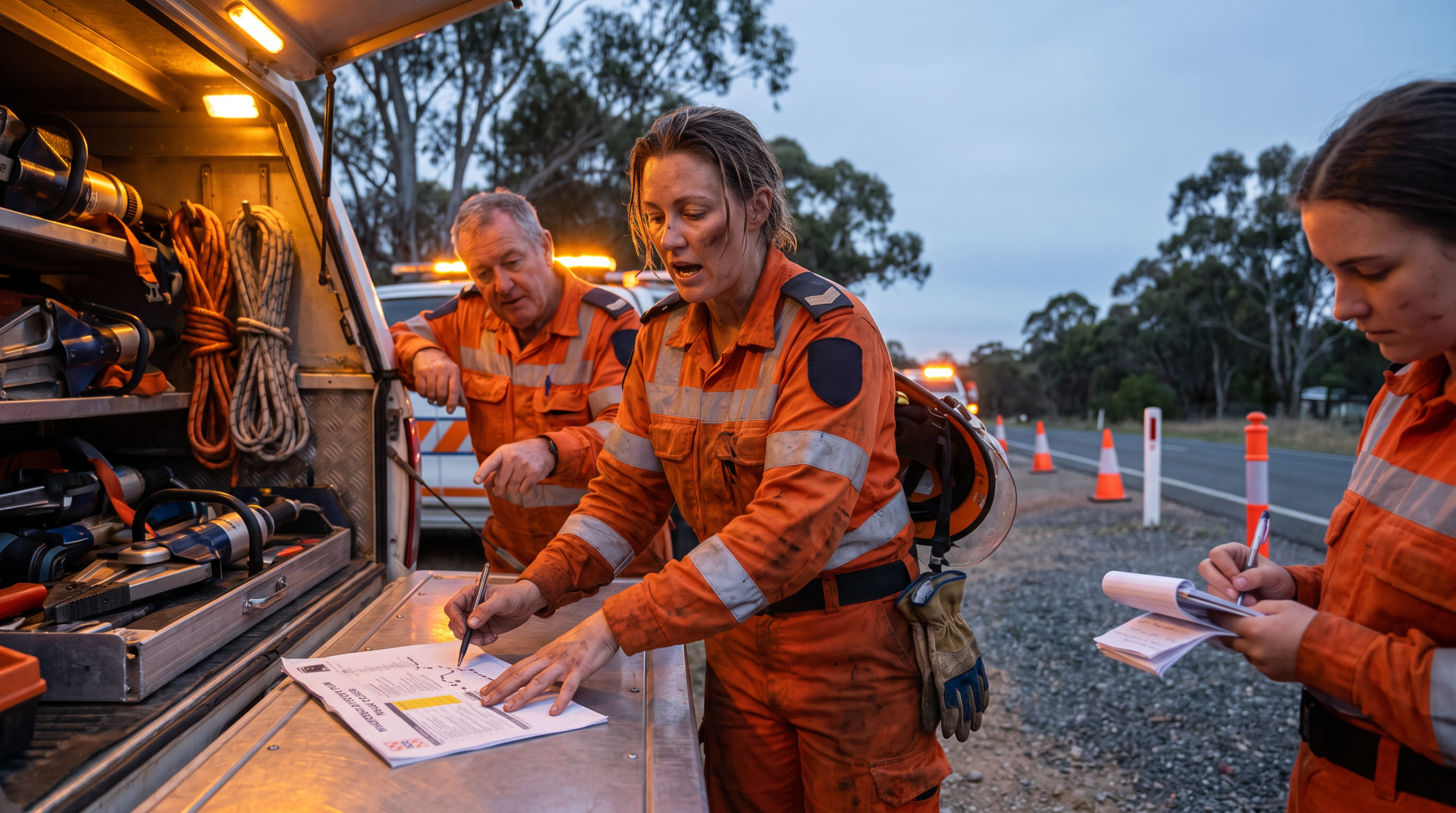
3CIR proudly acknowledges the exceptional skills and experience that Australian Defence Force (ADF) members and emergency services personnel bring to civilian careers. Our specialised RPL pathway recognises the comprehensive training and practical experience gained through military and emergency services roles.
Veterans and current serving members possess unique competencies in leadership, risk management, project coordination, and team management that directly translate to civilian qualifications. Our assessors understand military terminology, defence systems, and emergency services protocols, ensuring accurate evaluation of your specialised experience.
As recognition of your service to Australia, 3CIR offers a 25% discount on all RPL assessments for current and former defence and emergency services personnel. This significant saving makes formal qualification recognition more accessible to those who have dedicated their careers to protecting and serving our communities.
The transition from military or emergency services to civilian careers often requires formal qualification recognition that employers can easily understand and value. Our RPL assessment process bridges this gap, translating your specialised experience into nationally recognised qualifications that enhance your employment prospects.
Common qualifications pursued by defence and emergency services personnel include leadership and management, government services, security operations, and project management. These qualifications directly align with the competencies developed through military training and operational experience.
Frequently Asked Questions About RPL Assessment
What qualifications can I obtain through RPL assessment?
You can obtain any nationally recognised qualification through RPL assessment, provided you can demonstrate the required competencies. Qualifications range from Certificate III to Advanced Diploma levels across all industry sectors included in the Australian Qualifications Framework.
How much does RPL assessment cost compared to traditional training?
RPL assessment typically costs 30-50% less than completing full training programmes. The exact cost depends on qualification level and complexity, but the time savings and faster completion make RPL assessment highly cost-effective for experienced professionals. You can start your free assessment to find out what qualifications match your experience.
Can ADF veterans use military experience for RPL assessment?
Yes, military experience is highly valuable for RPL assessment. ADF training and operational experience often exceeds civilian industry standards, making veterans excellent candidates for qualifications in leadership, management, security, logistics, and technical fields.
What happens if my RPL assessment is unsuccessful?
If your initial RPL assessment doesn’t demonstrate full competency, you’ll receive detailed feedback identifying specific gaps. You can then provide additional evidence, complete targeted training for specific units, or combine RPL with skills recognition to achieve your qualification.
Do emergency services personnel qualify for special RPL consideration?
Emergency services personnel receive specialised assessment consideration due to their unique training and operational experience. Their risk management, leadership, and crisis response skills are highly transferable to civilian qualifications, and they qualify for our 25% service discount.
How long is an RPL qualification valid once obtained?
RPL qualifications are permanent and nationally recognised throughout Australia. They carry the same validity and recognition as qualifications obtained through traditional training methods, appearing identically on official transcripts and documentation.
Can I complete RPL assessment while working full-time?
Yes, RPL assessment is designed for working professionals. The process accommodates your schedule with flexible evidence submission timeframes, online consultations, and workplace-based assessment options that minimise disruption to your employment.
What industries have the highest RPL success rates?
Industries with strong practical components such as construction, manufacturing, business services, and community services typically have high RPL success rates. Experienced professionals in these sectors often possess competencies that exceed formal qualification requirements.
Do I need to complete any training if I’m successful with RPL?
Successful RPL assessment requires no additional training. However, some candidates may need to complete specific units where evidence gaps exist, creating a blended pathway that combines RPL recognition with targeted skill development.
How does RPL assessment maintain industry standards and quality?
RPL assessment follows the same rigorous standards as traditional training, regulated by ASQA and aligned with national training packages. Assessors must be qualified and experienced in both the industry and assessment practices, ensuring consistent quality outcomes.
Begin Your RPL Journey Today – Free Assessment
Additional Resources and Information
For more detailed information about specific qualifications and industry pathways, explore our comprehensive video resources covering various sectors and specialisations:
- Leadership: https://youtu.be/7k57ygLXncA
- HR: https://youtu.be/jLUKTpqOOfU
- WHS: https://youtu.be/6QHTzXlE5C0
- Security: https://youtu.be/d20nwpEot8Q
- Business: https://youtu.be/8P_VySE0zjQ
- Marketing: https://youtu.be/VdQxJKmgZfs
- Government: https://youtu.be/PV_knsJnb5E
- Project Management: https://youtu.be/kz7CyEsRNyg