RPL Courses Online for Central Coast Tradies
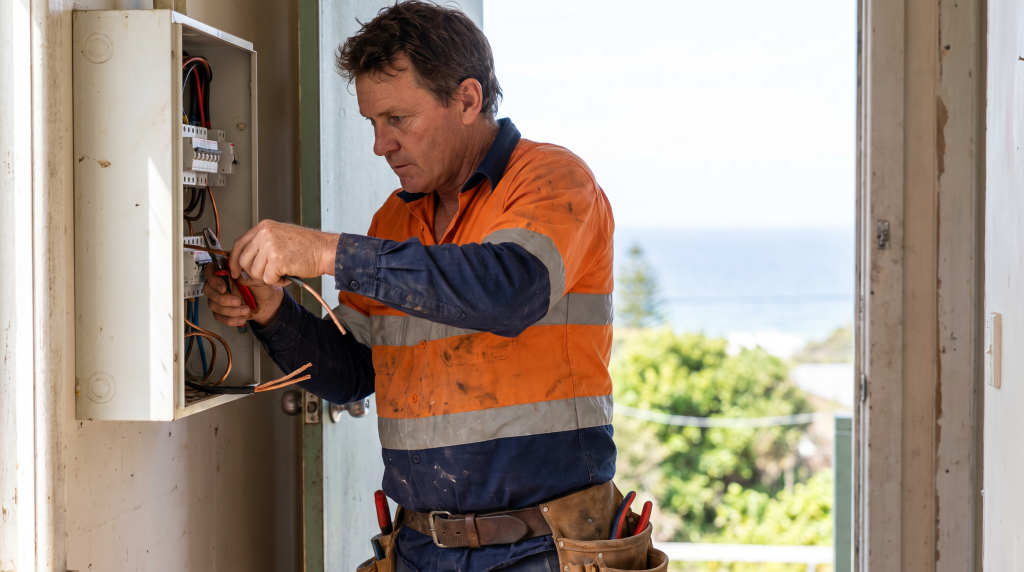
Recognition of Prior Learning lets Central Coast tradies convert years of on-the-job experience into a nationally recognised qualification without sitting in a classroom. Rather than repeating skills you already use daily on site, rpl courses online assess your existing work history, safety records, and supervisor references against national training standards. For those looking for RPL Courses Online for Central Coast Tradies, this option means qualifications are faster, real career mobility is possible, and there’s no need to abandon paid work to study.
If you’ve spent years working in construction, electrical, plumbing, or civil trades on the Central Coast, chances are you already meet most of the requirements for a Certificate III, Certificate IV, or even a Diploma-level qualification. rpl education exists precisely to recognise that experience formally. Instead of a 6-12 month course, most RPL pathways take just a matter of weeks.
Getting started is straightforward and low-risk. A free RPL assessment tells you exactly which qualification you’re eligible for and what evidence you’ll need — before you commit to anything or pay a cent.
What Is RPL and How Do RPL Courses Online Actually Work?
Recognition of Prior Learning is a formal assessment process that matches your existing skills, knowledge, and work experience against the requirements of a nationally recognised qualification. Instead of enrolling in modules and sitting exams, you submit evidence — documents, photos, references, and records — that demonstrate you already perform the tasks a qualification covers. An assessor reviews this evidence against the training package requirements set out on training.gov.au and determines competency.
rpl courses online simply mean this entire process happens remotely. You don’t attend a campus, sit in a lecture theatre, or take time off site. You upload documents through an online portal, speak with an assessor by phone or video call if needed, and receive your qualification once competency is confirmed. For a tradie working full days on the Central Coast, this model removes the single biggest barrier to further qualification: time.
The process typically unfolds in four stages. First, a free eligibility check identifies which qualification suits your trade and experience level. Second, an expert assessor reviews your work history against the relevant units of competency. Third, you gather supporting evidence — this is usually the most involved step, though most tradies already hold much of what’s needed. Fourth, once assessed as competent, your qualification is issued and recorded against your Unique Student Identifier (USI).
Unlike traditional study, there are no assignments to write from scratch and no theory exams disconnected from real site conditions. The assessment is built entirely around what you’ve actually done — projects completed, hazards managed, teams supervised, systems operated. For experienced tradies, this makes RPL not just faster, but a far more accurate reflection of genuine capability than classroom-based assessment.
Why Is RPL Education Booming Across Central Coast Trade Industries?
The Central Coast is one of the fastest-growing regions in New South Wales, and demand for qualified tradespeople has never been higher. Major infrastructure projects, residential development, and a growing population mean employers increasingly require formal qualifications for supervisory and higher-paid roles — not just hands-on skill. rpl education has become the fastest route for experienced workers to meet these credential requirements without pausing their careers.
Historically, many Central Coast tradies commuted to Sydney or Newcastle for better-paid or more senior roles, simply because local opportunities required qualifications they hadn’t formally obtained. RPL changes this dynamic. By converting years of practical experience into a Certificate IV in Building and Construction, a Diploma of Work Health and Safety, or similar credentials, tradies can compete for site supervisor, WHS coordinator, or leading hand roles locally — without the daily commute.
Employers across the region are also driving this shift. Head contractors and larger builders increasingly require formally qualified supervisors on site, partly due to insurance requirements and partly due to WHS obligations under state regulations. Tradies who’ve been doing the work for a decade but never held the paper qualification are now formalising that experience through RPL, often within weeks rather than years.
There’s also a generational factor. Many experienced tradies on the Central Coast left school early and moved straight into apprenticeships, accumulating deep practical skill but limited formal paperwork. RPL respects that pathway. It recognises that a foreman with fifteen years of site experience has already demonstrated competency far beyond what a classroom can teach — the system simply needed to catch up. That’s exactly what rpl education delivers today.
What RPL Documents Do Tradies Need to Prove Their Experience?
Evidence is the foundation of every RPL application, and most tradies already possess more of it than they realise. rpl documents typically include payslips, work rosters, site diaries, safety certificates, tool tickets, references from supervisors, and photos of completed work. None of these needs to be created specifically for the application — they’re simply the paperwork trail your career has already generated.
Common categories of evidence include employment records (contracts, payslips, group certificates confirming years in the trade), safety and compliance documents (White Card, working at heights tickets, confined space certificates, incident reports you’ve managed), and third-party verification (statutory declarations or written references from employers, supervisors, or clients confirming the scope of work you’ve performed). For supervisory qualifications, evidence of rostering, toolbox talks, or team management also strengthens an application significantly.
Photographic evidence carries real weight too. Timestamped photos of completed projects, before-and-after shots, or images showing you operating machinery or managing a site can support competency claims where paperwork alone falls short. Many tradies are surprised to learn how much of this evidence already sits in their phone’s photo library or old work emails.
Where gaps exist, a structured interview or practical demonstration can fill them. Assessors are experienced in working with tradies whose paperwork trail is incomplete — a common reality in an industry historically light on documentation. The RPL process is designed around this reality, not against it. A quality provider will guide you through exactly which rpl documents strengthen your specific application, rather than leaving you guessing.
What Benefits and Career Outcomes Come From Choosing RPL Over Traditional Study?
Speed is the most immediate benefit. Traditional vocational study typically takes six to twelve months, requiring regular attendance, assignments, and exams around an already demanding trade schedule. RPL compresses this into weeks by assessing what you already know rather than teaching it from scratch.
Cost efficiency follows closely behind. Because RPL avoids delivering full training content — there’s no need for extended tutoring, classroom hire, or lengthy assessment cycles — pricing is typically lower than equivalent full-fee traditional courses. This makes formal qualification accessible to tradies who previously viewed further study as financially or logistically out of reach.
Career outcomes are where RPL delivers its strongest case. A formally recognised qualification opens doors to supervisory roles, government contract eligibility, and higher-paying positions that specifically list qualifications as a requirement, not just experience. Builders tendering for government infrastructure work, for example, often need to demonstrate a minimum ratio of qualified supervisors — a requirement RPL-qualified tradies can now meet.
There’s also a confidence dimension often overlooked in the conversation. Many experienced tradies have operated at a high level for years without formal recognition, sometimes watching less experienced but qualified colleagues get promoted ahead of them. RPL closes that gap directly, converting years of practical mastery into the exact credential decision-makers are looking for — without requiring you to prove yourself all over again in a classroom.
How Does an RPL Qualification Impact Long-Term Salary and Career Progression?
Qualifications measurably lift earnings across the Australian workforce, and trade industries are no exception. According to Australian Bureau of Statistics Employee Earnings data (August 2025), Australians holding a Diploma earn a median $1,462 per week compared to $1,000 per week for those without a post-school qualification — a gap exceeding $24,000 annually. For Central Coast tradies, this isn’t an abstract statistic; it directly reflects the pay difference between a leading hand and a formally qualified site supervisor.
National full-time earnings in construction sit at $1,875 per week according to ABS Average Weekly Earnings (November 2025), while full-time adult ordinary-time earnings across New South Wales average $2,084 per week. Tradies who move into supervisory, WHS, or management positions through qualifications like a Diploma of Work Health and Safety or a Diploma of Building and Construction typically sit well above these averages, particularly once qualification unlocks access to larger commercial and government projects.
Progression compounds over time. A Certificate IV gained through RPL today can serve as the foundation for a Diploma, and eventually a Graduate Diploma, as your role and responsibilities expand. Each step is assessable via RPL if your experience keeps pace — meaning your qualification can grow alongside your career rather than requiring a return to full-time study at each stage.
Employers also view RPL-derived qualifications as equally valid signals of capability, since they carry identical national recognition to those earned through classroom study. For tradies weighing whether formal qualification is “worth it,” the ABS data makes the answer clear — and the RPL pathway removes the traditional time and cost barriers that previously stood in the way.
Is RPL Nationally Recognised? Understanding Compliance and Regulatory Standards
Yes — RPL qualifications carry identical national recognition to those completed through traditional classroom-based study. Every RPL assessment is governed by the Australian Qualifications Framework (AQF), the national policy that regulates all qualifications issued across Australian schools, vocational education, and universities. A Certificate IV or Diploma issued via RPL sits at exactly the same AQF level as one earned through a full-time course.
The Australian Skills Quality Authority (ASQA) regulates all Registered Training Organisations (RTOs) delivering RPL, ensuring assessment processes meet strict national standards for evidence quality and assessor competency. This regulatory oversight means RPL cannot be a shortcut to an unearned qualification — it’s a rigorous, audited process that verifies genuine competency before certification is issued.
Qualifications delivered through 3CIR’s RPL pathway are issued under Asset College (RTO #31718), a Registered Training Organisation operating within this national framework. Every completed qualification is recorded against your Unique Student Identifier (USI), the same national record-keeping system used for every VET qualification in Australia. You can verify any qualification’s national standing directly on training.gov.au, the government’s official register of recognised training.
This compliance structure matters enormously for tradies weighing up RPL against traditional study. There is no “lesser” version of a qualification earned via RPL — employers, government tender assessors, and licensing bodies all recognise it identically. Understanding what RPL is and how it fits within this regulatory framework gives Central Coast tradies confidence that the qualification they earn will hold weight anywhere in Australia.
Why Is 3CIR a Leading Provider of RPL Courses Online for Central Coast Tradies?
3CIR has built its reputation around one core service: converting real-world experience into nationally recognised qualifications quickly, transparently, and without unnecessary complexity. As a veteran-owned and veteran-operated organisation, 3CIR understands firsthand what it means to hold great practical skill without formal paperwork to show for it — a reality shared by countless Central Coast tradies.
The 3CIR model is built entirely around accessibility. Every step, from the initial eligibility check through to final certification, happens online, meaning Central Coast tradies never need to travel to a campus or take unpaid leave to progress their qualification. Qualifications are delivered under a third-party arrangement with Asset College (RTO #31718), ensuring full regulatory compliance while 3CIR guides you through the evidence-gathering and assessment process.
3CIR currently offers pathways across 37+ qualifications, spanning construction, work health and safety, leadership, and business — meaning tradies progressing from site work into supervisory or management roles have a clear, mapped pathway rather than a one-off certificate with nowhere to go next. Real Australians have rated 3CIR 5.0 stars in verified reviews, reflecting consistent support throughout what can otherwise feel like an unfamiliar process for tradies who aren’t familiar with formal VET systems.
Support doesn’t end at enrolment. 3CIR’s assessors work directly with you to identify exactly which documents strengthen your application, filling evidence gaps through structured interviews where paperwork alone isn’t sufficient. This hands-on guidance is particularly valuable for tradies whose employment history spans multiple employers, subcontracting arrangements, or informal supervisory roles — common scenarios across Central Coast trade industries that a generic online course provider might struggle to assess accurately.
What Makes the 3CIR RPL Fee Structure and Payment Options Stand Out?
Transparent, fixed pricing sets 3CIR apart from providers who obscure costs until deep into the enrolment process. The 3CIR rpl fee starts from a fixed $495 for Certificate II level qualifications, scaling up to $3,285 for Graduate Diploma level — with clear, published pricing at every AQF level in between. A Certificate IV, for example, is priced at $1,150, discounted to $1,035, while Diploma-level qualifications including the Diploma of Work Health and Safety sit at $1,500, discounted to $1,350.
This transparency matters because RPL pricing across the industry varies enormously, and many providers only disclose costs after an initial consultation or “assessment fee.” 3CIR publishes its fee structure upfront, allowing Central Coast tradies to understand the full financial commitment before beginning the evidence-gathering process.
Flexible payment options further reduce the barrier to entry. 3CIR supports payment plans through providers including Afterpay, Klarna, Zip, GoCardless, and DebitSuccess — meaning the full rpl fee doesn’t need to be paid upfront. For tradies managing mortgage repayments, tool upgrades, and family expenses alongside career development, this flexibility often makes the difference between deferring qualification indefinitely and starting the process today.
Given that traditional study frequently costs several thousand dollars in course fees alone — before accounting for lost income during unpaid leave or reduced work hours — the 3CIR rpl fee structure represents significant value. When you compare a $1,350 Diploma of Work Health and Safety, completed in weeks, against a traditional twelve-month equivalent costing considerably more in fees and lost earning capacity, the financial case for RPL becomes difficult to ignore.
How Do Real Central Coast Tradies Apply RPL to Advance From Certificate to RPL Graduate Diploma Level?
Career progression through RPL rarely happens in a single leap — it typically follows the same trajectory as a genuine career, one qualification building on the next. A concreter with a decade of experience might start with a Certificate IV in Building and Construction, formalising trade-level competency. As responsibilities expand into site coordination, a Diploma of Building and Construction (Management) becomes the next logical step.
For tradies moving into broader organisational leadership — overseeing multiple sites, managing subcontractors, or handling WHS compliance across a business — an rpl graduate diploma represents the top of this pathway. Graduate Diploma qualifications typically require evidence of higher-level strategic responsibility: budget oversight, policy development, multi-site coordination, and stakeholder management, rather than purely hands-on trade skill.
A typical progression on the Central Coast might look like this: a plumber with fifteen years’ experience and five years supervising apprentices completes a Certificate IV via RPL first, using existing licence documentation and supervisor references. Eighteen months later, having taken on site management responsibilities, they progress to a Diploma of Work Health and Safety, drawing on incident reports and safety audits they’ve personally conducted. Several years on, now managing WHS compliance across multiple company sites, they qualify for Graduate Diploma-level recognition based on documented strategic responsibility.
Each stage uses the same fundamental RPL process — evidence gathered, assessed against AQF requirements, and certified once competency is confirmed. What changes is the complexity and seniority of the evidence required, not the underlying pathway. This step-based approach means Central Coast tradies aren’t required to plan their entire career qualification pathway upfront; each qualification simply becomes the foundation for assessing eligibility for the next.
Recognition of Prior Learning: Who Qualifies and How the Process Works
RPL is 3CIR’s flagship service, built specifically for people who’ve learned through doing rather than formal study. You qualify if you have real, demonstrable work experience relevant to a nationally recognised qualification — regardless of whether that experience came from a single long-term role, multiple employers, subcontracting, or informal supervisory responsibility. There is no minimum classroom hours requirement; competency is what matters.
The 3CIR process runs across four clear stages. You start with a free eligibility check to confirm which qualification matches your experience. An assessor then reviews your background against the specific units of competency required. You gather supporting evidence — payslips, references, certificates, photos — with guidance on exactly what strengthens your case. Once assessed as competent, your qualification is issued and recorded against your USI, typically within weeks rather than months.
There’s no obligation and no cost to find out where you stand. A free RPL assessment will confirm your eligibility, outline exactly which qualification suits your experience, and map out what evidence you’ll need — all before you commit financially.
How Central Coast Veterans and Emergency Services Workers Can Use RPL for Career Transition
3CIR is veteran-owned and veteran-operated, giving it a genuine, first-hand understanding of the challenges facing ADF personnel and emergency services workers transitioning into civilian trade and management careers. Military trades — combat engineers, vehicle mechanics, logistics operators — often translate directly into civilian construction and WHS qualifications, but veterans frequently struggle to have this experience recognised without a structured RPL pathway.
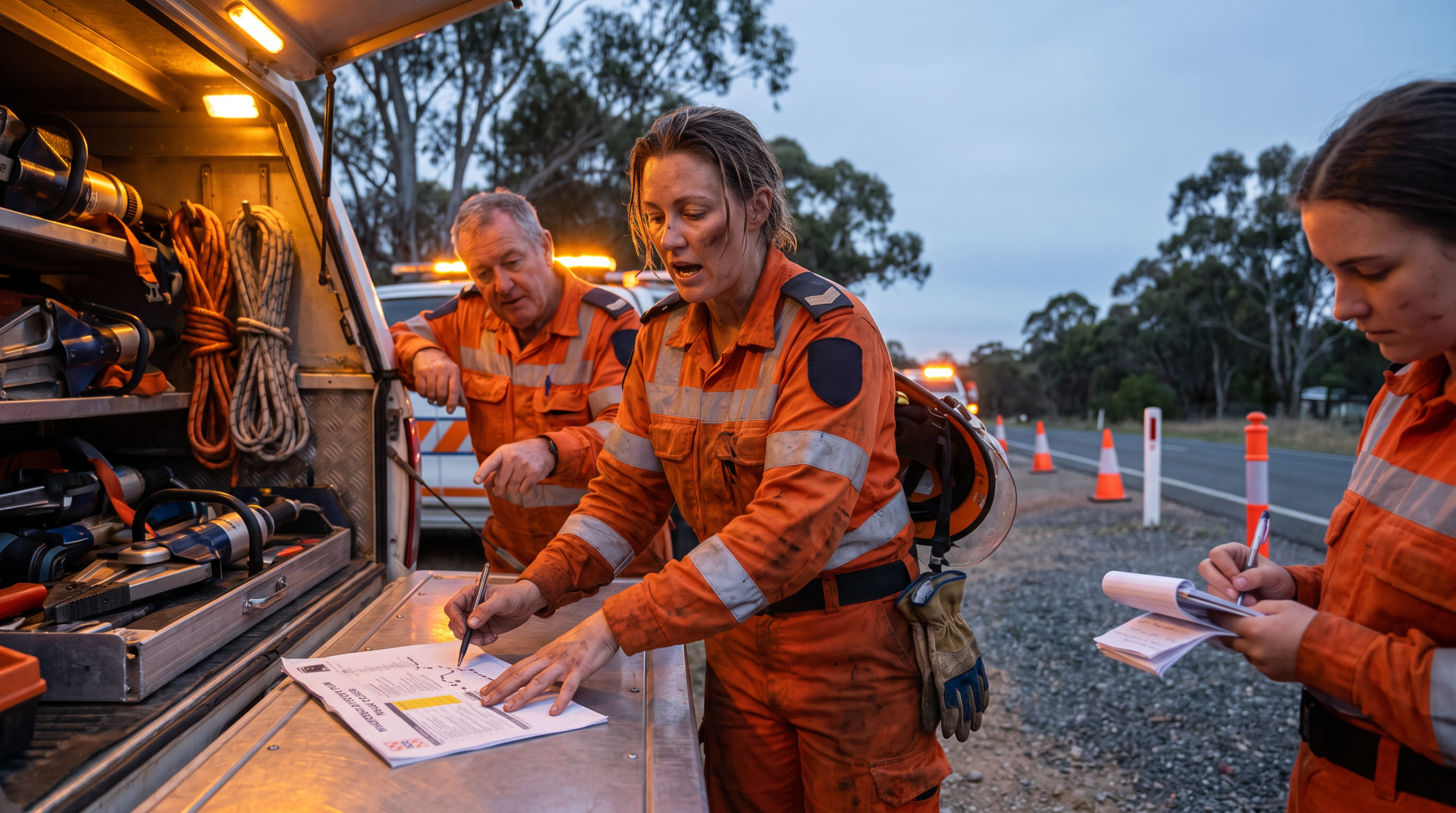
Emergency services workers face a similar gap. Firefighters, paramedics, and SES personnel routinely manage high-risk environments, coordinate teams under pressure, and apply safety protocols far exceeding civilian workplace standards — experience that maps closely to WHS and leadership qualifications, yet rarely gets formally recognised without assistance.
3CIR offers a 25% discount for current and former defence and emergency services personnel across its RPL qualifications, reducing the financial barrier for those transitioning into civilian trade, supervisory, or WHS careers on the Central Coast. Combined with the flexible online delivery model, this makes formal qualification genuinely accessible during what can otherwise be a difficult and disorienting career transition period.
Face-to-face training options remain available in Brisbane for veterans and emergency services personnel who prefer in-person support, alongside the fully online RPL pathway available Australia-wide. Whether you’re a former ADF tradesperson settling on the Central Coast or a serving emergency services worker planning ahead for civilian transition, 3CIR’s combination of veteran understanding, discounted pricing, and flexible delivery removes much of the friction typically associated with formal qualification.
Frequently Asked Questions
What is RPL and who is it for?
RPL, or Recognition of Prior Learning, is a formal assessment process converting existing work experience into a nationally recognised qualification. It’s for anyone with genuine hands-on experience — tradies, veterans, emergency services workers, and career changers — who has never had that experience formally certified through classroom study.
How much does RPL cost through 3CIR?
3CIR’s rpl fee starts from a fixed $495 for Certificate II qualifications and scales up to $3,285 for Graduate Diploma level. Certificate IV pricing sits at $1,150, discounted to $1,035, while Diploma qualifications are priced at $1,500, discounted to $1,350. Flexible payment plans are also available.
How long does the RPL process take from start to finish?
Most RPL applications are completed within a matter of weeks, not the six to twelve months required for traditional study. Timeframes depend on how quickly you can gather supporting evidence, though many tradies already hold most required documentation.
Are RPL qualifications nationally recognised in Australia?
Yes, RPL qualifications carry identical national recognition under the Australian Qualifications Framework as those earned through traditional study. They’re issued by Registered Training Organisations regulated by ASQA and recorded against your Unique Student Identifier on the national training register.
Can emergency services or ADF experience count towards a qualification?
Yes, military and emergency services experience frequently maps directly onto civilian WHS, leadership, and trade qualifications. Skills in team coordination, safety management, and high-pressure decision-making are commonly recognised through RPL evidence assessment, and 3CIR offers a 25% discount for defence and emergency services personnel.
What documents do I need to apply for RPL?
You’ll typically need employment records, safety certificates, supervisor references, and evidence of work performed such as photos or site diaries. A 3CIR assessor will guide you on exactly which documents strengthen your specific application during the free eligibility check.
Is 3CIR a legitimate and reputable RTO?
3CIR delivers qualifications under a third-party arrangement with Asset College, RTO #31718, ensuring full ASQA compliance. It holds a 5.0-star rating from verified Australian reviews and operates as a veteran-owned organisation with strong outcomes for tradies, veterans, and emergency services personnel.
Can I progress from a Certificate to a Graduate Diploma using RPL?
Yes, RPL supports progressive qualification pathways as your experience and responsibility grow. Many tradies start with a Certificate IV and, over subsequent years, qualify for Diploma and eventually Graduate Diploma recognition as their roles expand into higher-level management and strategic responsibility.
Do I need to stop working to complete an RPL qualification?
No, rpl courses online are specifically designed to fit around full-time work. The entire process — from evidence submission to assessment — happens remotely, meaning Central Coast tradies never need to take unpaid leave or attend a physical campus.
How do I start the RPL process with 3CIR?
Start with a free RPL assessment to confirm your eligibility and identify which qualification matches your experience. This initial check is obligation-free and typically takes just a few minutes to arrange online or over the phone.
Get Your Free RPL Assessment Today
RPL Courses Online for Central Coast Tradies no longer need to choose between career progression and time off the tools. RPL converts the experience you’ve already built on-site into a nationally recognised qualification, delivered entirely online, in weeks rather than months. With transparent pricing, flexible payment options, and a veteran-owned team that understands what genuine experience looks like, 3CIR removes the traditional barriers standing between you and formal recognition.
Start with a free RPL assessment to find out exactly which qualification you’re eligible for. Alternatively, enquire now or call the 3CIR team directly to discuss your trade background and career goals. There’s no obligation, no upfront cost, and no better time than now to formalise the skills you’ve already earned.
Additional Resources
Explore these helpful video resources to learn more about career opportunities:
- Leadership: https://youtu.be/7k57ygLXncA
- HR: https://youtu.be/jLUKTpqOOfU
- WHS: https://youtu.be/6QHTzXlE5C0
- Security: https://youtu.be/d20nwpEot8Q
- Business: https://youtu.be/8P_VySE0zjQ
- Marketing: https://youtu.be/VdQxJKmgZfs
- Government: https://youtu.be/PV_knsJnb5E
- Project Management: https://youtu.be/kz7CyEsRNyg