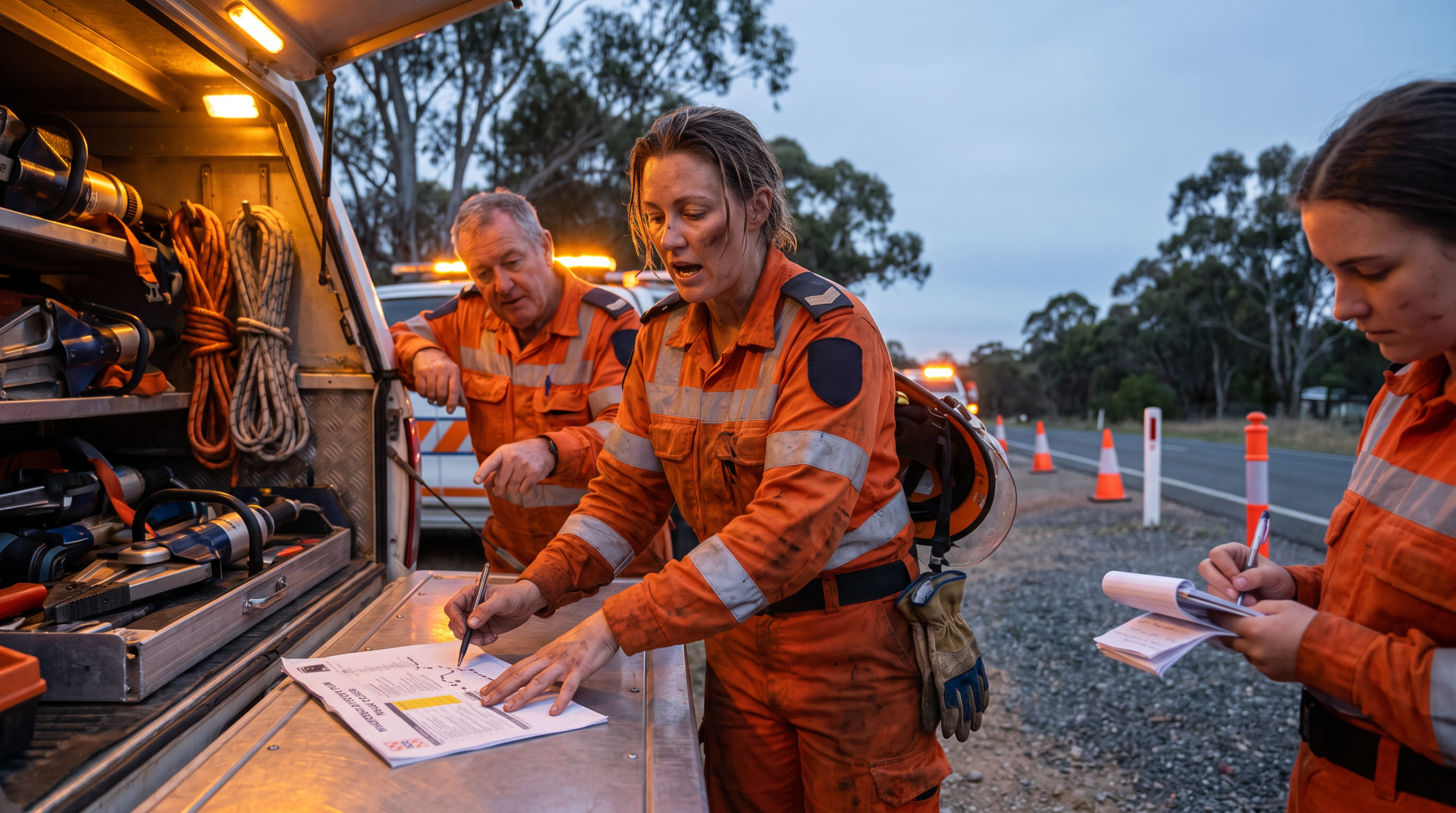

5 Responsibilities of WHS Officers You Need to Know
WHS Officers hold five critical responsibilities: developing safety policies, conducting risk assessments, ensuring regulatory compliance, providing safety training, and investigating incidents. These responsibilities are essential for maintaining safe Australian workplaces and preventing the 144,800 serious compensation claims reported annually.
What is a Work Health and Safety (WHS) Officer?
A Work Health and Safety (WHS) Officer is a qualified professional responsible for implementing, monitoring, and maintaining workplace safety standards within organisations across Australia. These specialists operate under the Work Health and Safety Act 2011 and associated regulations, ensuring compliance with national safety legislation. WHS Officers possess formal qualifications typically ranging from Certificate III to Diploma level in Work Health and Safety, obtained through registered training organisations. They work across diverse industries including construction, healthcare, manufacturing, mining, and government sectors. Their role encompasses policy development, risk assessment, incident investigation, safety training delivery, and regulatory compliance monitoring. WHS Officers serve as the primary liaison between management, workers, and safety regulators, ensuring that workplace safety systems meet Australian standards and protect workers from harm.
The Critical Role of WHS Officers in Australia
In Australia’s workplaces, ensuring safety and compliance is paramount, and Work Health and Safety Officers play a critical role in achieving these goals. With workplace incidents costing billions of dollars annually, the expertise of WHS Officers is in high demand across industries such as construction, healthcare, and manufacturing. WHS Officers are essential to fostering safe work environments, ensuring regulatory compliance, and reducing workplace risks.
8 billion. Jobs and Skills Australia projects a 9.5% growth in safety-related roles by 2029, with WHS Officers earning salaries from a competitive salary. Understanding the five responsibilities that WHS Officers have is key to appreciating their impact and preparing for a career in workplace health and safety.
At 3CIR, our health and safety courses, including the Certificate III, Certificate IV, and Diploma of Work Health and Safety, provide comprehensive training to master the responsibilities of WHS Officers. Delivered online with flexible options and face-to-face training in Brisbane, our programs cater to working professionals seeking career advancement.
Start Your WHS Career Today – Free RPL Assessment
What are the Five Core Responsibilities of WHS Officers?
WHS Officers carry significant responsibility for workplace safety outcomes. Their role extends beyond basic compliance to encompass strategic safety leadership, risk management, and cultural transformation. These professionals must balance regulatory requirements with practical workplace realities, ensuring that safety measures are both effective and implementable. The five core responsibilities form the foundation of professional WHS practice and directly impact organisational safety performance.
Responsibility 1: Developing and Implementing Safety Policies
The first responsibility involves creating comprehensive safety policies and procedures that align with Australian legislation and industry best practices. WHS Officers must develop workplace-specific policies that address identified hazards, establish safe work procedures, and define emergency response protocols. This includes drafting safety management systems, creating procedural documentation, and ensuring policies are regularly updated to reflect legislative changes.
Policy development requires extensive consultation with workers, management, and safety committees to ensure practical applicability. WHS Officers must translate complex regulatory requirements into understandable workplace procedures that workers can follow effectively. This responsibility also encompasses policy implementation, including communication strategies, training delivery, and monitoring compliance across the organisation.
How Do WHS Officers Conduct Risk Assessments?
The second critical responsibility focuses on systematic risk identification, assessment, and control. WHS Officers conduct comprehensive workplace inspections, analyse work processes, and identify potential hazards that could cause harm to workers. This involves using structured risk assessment methodologies to evaluate likelihood and consequence, determining appropriate control measures using the hierarchy of controls. Find out more about how to Diploma of Work Health and Safety via RPL.
Risk assessment responsibilities extend to reviewing and updating existing assessments, monitoring the effectiveness of implemented controls, and ensuring new risks are identified as workplace conditions change. WHS Officers must document all risk assessment activities, maintain accurate records, and communicate findings to relevant stakeholders. This systematic approach to risk management forms the foundation of effective workplace safety programs.
Responsibility 3: Ensuring Regulatory Compliance
Maintaining compliance with WHS legislation represents a fundamental responsibility for WHS Officers. This involves staying current with changes to the Work Health and Safety Act 2011 and associated regulations, ensuring workplace practices meet legal requirements, and preparing for regulatory inspections. WHS Officers must understand their jurisdiction’s specific requirements and implement systems to demonstrate compliance.
Compliance responsibilities include maintaining required documentation, ensuring worker consultation processes meet legislative requirements, and implementing mandatory reporting procedures for notifiable incidents. WHS Officers serve as the primary contact point for regulatory authorities and must ensure their organisation can demonstrate due diligence in safety management. This responsibility also encompasses staying informed about industry-specific regulations and standards that apply to their workplace.
What Training Responsibilities Do WHS Officers Have?
The fourth responsibility centres on developing and delivering comprehensive safety training programs. WHS Officers must identify training needs, develop appropriate training content, and ensure all workers receive adequate safety education. This includes induction training for new employees, ongoing safety training for existing workers, and specialised training for high-risk activities.
Training responsibilities extend beyond delivery to include assessing training effectiveness, maintaining training records, and ensuring competency standards are met. WHS Officers must adapt training methods to suit different learning styles, literacy levels, and cultural backgrounds represented in the workforce. They also coordinate external training providers when specialised expertise is required and ensure all training meets Australian Qualifications Framework standards where applicable.
Assess Your WHS Experience – Free RPL Evaluation
Responsibility 5: Incident Investigation and Analysis
The fifth critical responsibility involves systematic investigation of workplace incidents, accidents, and near misses. WHS Officers must respond promptly to incidents, secure evidence, interview witnesses, and determine root causes using structured investigation methodologies. This responsibility requires strong analytical skills to identify system failures and develop appropriate corrective actions.
Investigation responsibilities include preparing detailed incident reports, recommending control measures to prevent recurrence, and monitoring the implementation of corrective actions. WHS Officers must also analyse incident trends to identify systemic issues and opportunities for improvement. This responsibility extends to liaising with external investigators, insurance companies, and regulatory authorities when required, ensuring all reporting obligations are met promptly and accurately.
Recognition of Prior Learning for WHS Professionals
3CIR specialises in Recognition of Prior Learning (RPL) for experienced safety professionals who have developed WHS competencies through workplace experience. Our RPL process recognises your existing knowledge and skills, potentially reducing study time and costs associated with formal qualifications. This pathway is particularly valuable for professionals with extensive safety experience who need formal recognition of their capabilities. For more information, learn how RPL works.
The RPL assessment process evaluates your current competencies against national training package requirements, identifying any gaps that may need additional training. Our experienced RPL assessors work with you to compile evidence of your skills and knowledge, including work samples, references, and practical demonstrations. Many experienced WHS professionals find they already meet most qualification requirements through their work experience.
Our comprehensive RPL service covers all WHS qualifications from Certificate III through to Diploma level, enabling career progression without starting from the beginning. The process typically involves document review, skills assessment, and practical evaluation to determine your current competency level against formal qualification standards.
Veterans and Emergency Services Personnel Benefits
3CIR proudly offers a 25% discount for all current and former defence and emergency services personnel, recognising the valuable safety experience gained through military and emergency service careers. ADF personnel often possess extensive risk management experience, safety leadership skills, and practical knowledge of safety systems that translate effectively to civilian WHS roles.
Emergency services personnel bring unique perspectives on incident management, risk assessment, and safety procedures that are highly valued in WHS roles. Our programs recognise this experience through tailored RPL assessments and flexible delivery options that accommodate shift work and operational commitments. Many veterans find WHS careers provide meaningful civilian employment that utilises their safety expertise.
The transition from military or emergency services to civilian WHS roles is supported through our comprehensive career guidance and industry connections. Our veteran-owned organisation understands the challenges of career transition and provides dedicated support throughout the qualification process.
Frequently Asked Questions
What qualifications do WHS Officers need in Australia?
WHS Officers typically require formal qualifications ranging from Certificate III to Diploma in Work Health and Safety from a registered training organisation. Higher-level positions may require bachelor’s degrees in occupational health and safety or related fields, along with professional membership of safety institutes.
How much do WHS Officers earn in Australia?
WHS Officer salaries range from a competitive salary, depending on experience, qualifications, industry, and location. Senior WHS professionals and consultants may earn significantly more, with specialist roles commanding premium salaries in high-risk industries.
What industries employ WHS Officers?
WHS Officers work across all industries including construction, manufacturing, healthcare, mining, government, education, retail, and professional services. High-risk industries typically employ more WHS professionals and offer higher remuneration for safety expertise.
How long does WHS training take to complete?
Training duration varies by qualification level and delivery mode. Certificate III programs typically take 6-12 months, Certificate IV takes 12-18 months, and Diploma programs require 18-24 months. RPL pathways can significantly reduce completion times for experienced professionals. You can check your RPL eligibility to find out what qualifications match your experience.
Can ADF personnel transition to WHS careers?
Yes, ADF personnel possess excellent foundations for WHS careers through their safety training, risk management experience, and leadership skills. Military experience in safety procedures, incident investigation, and regulatory compliance translates well to civilian WHS roles.
What are the career progression opportunities for WHS Officers?
Career progression includes senior WHS advisor roles, safety management positions, consulting opportunities, and specialisation in areas like ergonomics, industrial hygiene, or safety auditing. Many professionals advance to executive safety leadership roles or establish independent consulting practices.
Do emergency services personnel qualify for WHS roles?
Emergency services personnel bring valuable experience in risk assessment, incident management, and safety procedures that are highly relevant to WHS roles. Their practical safety knowledge and leadership experience make them excellent candidates for WHS careers.
What ongoing professional development is required for WHS Officers?
WHS Officers must maintain current knowledge through continuing professional development, attending conferences, completing additional training, and staying updated with legislative changes. Professional associations often require annual CPD points to maintain membership and certification.
How does 3CIR’s RPL process work for WHS qualifications?
Our RPL process involves initial consultation, evidence gathering, competency mapping, practical assessment, and gap training if required. Experienced professionals submit work samples, references, and undergo practical demonstrations to prove their competency against national standards.
What support does 3CIR provide for veteran students?
3CIR offers 25% discounts for veterans, flexible delivery options, career transition support, industry networking opportunities, and tailored RPL assessments that recognise military safety experience. Our veteran-owned organisation understands unique transition challenges and provides comprehensive support.
Ready to Start Your WHS Career? Get Your Free RPL Assessment Now
Related Training Videos
Explore our comprehensive training videos covering essential workplace skills: