
Boost Your Career with a Cert IV in Work Health and Safety: A Comprehensive Guide
AI Summary: The Certificate IV in Work Health and Safety (WHS) is a nationally recognised qualification that provides essential skills for workplace safety management, hazard identification, and regulatory compliance across all Australian industries.
What is a Certificate IV in Work Health and Safety?
The Certificate IV in Work Health and Safety (BSB41419) is a nationally recognised vocational qualification under the Australian Qualifications Framework (AQF) that provides comprehensive training in workplace health and safety management. This VET qualification is designed for individuals seeking to develop expertise in hazard identification, risk assessment, incident investigation, and compliance with WHS legislation. The certification enables professionals to implement and maintain effective safety systems across diverse workplace environments, from construction sites to office environments. Graduates are equipped with the knowledge to interpret WHS laws, conduct safety audits, and develop safety policies that protect workers and organisations from workplace injuries and legal liability. The qualification is recognised by ASQA and aligns with the Work Health and Safety Act 2011, making it an essential credential for safety professionals across Australia.
Why Should You Pursue a Certificate IV in Work Health and Safety?
Career growth in workplace health and safety has never been brighter. Companies throughout Australia understand the value of compliance with health and safety laws in maintaining workplace safety. By earning your Cert IV in WHS, you’re improving job prospects and contributing towards greater workplace efficiency and safety.
The demand for qualified WHS professionals continues to grow as Australian businesses recognise the critical importance of maintaining safe workplaces. Industries such as construction, manufacturing, mining, healthcare, and government require skilled safety officers who can navigate complex regulatory requirements while fostering a culture of safety. This qualification opens doors to roles including WHS coordinator, safety adviser, compliance officer, and risk management specialist.
Your career advancement opportunities expand significantly with this qualification, as employers increasingly prioritise candidates with formal WHS training. The certification demonstrates your commitment to professional development and provides credible evidence of your competency in safety management. Start your RPL assessment today to fast-track your qualification recognition.
What Does the Certificate IV WHS Course Provide?
The Cert IV in WHS curriculum covers key areas such as hazard identification, risk evaluation and compliance with WHS laws. It equips participants to fulfil their WHS duties effectively while creating a safe working environment.
The comprehensive course content includes critical units such as applying WHS laws, conducting risk assessments, implementing emergency procedures, and managing incident investigations. You’ll develop expertise in consultation processes, safety training delivery, and workplace inspection techniques. The curriculum also covers specific industry applications, enabling you to specialise in sectors like construction, manufacturing, or healthcare.
Practical skills development focuses on real-world application, including the use of safety management software, conducting toolbox talks, and developing safety documentation. The course emphasises evidence-based decision-making and the importance of continuous improvement in safety performance. You’ll learn to interpret safety statistics, analyse incident trends, and implement corrective actions that prevent workplace injuries.
How Can You Access WHS Training Through 3CIR?
3CIR delivers this nationally recognised qualification through flexible online learning and face-to-face training in Brisbane, under a third-party arrangement with Asset College (RTO 31718). The training is specifically designed to accommodate working professionals, with options for self-paced online study and intensive workshop sessions. Find out more about how to Diploma of Work Health and Safety via RPL.
Our experienced trainers bring real-world industry experience to the classroom, ensuring you receive practical insights alongside theoretical knowledge. The course materials are regularly updated to reflect current legislation and industry best practices. You’ll have access to comprehensive learning resources, including video demonstrations, case studies, and interactive assessments that reinforce your understanding of WHS principles.
Assessment methods include written assignments, practical demonstrations, and workplace projects that allow you to apply your learning in real situations. This approach ensures you graduate with job-ready skills that employers value. Contact our training specialists to discuss your learning pathway and course scheduling options.
What Career Opportunities Await WHS Professionals?
Graduates with a Certificate IV in WHS can pursue diverse career paths across multiple industries. Common roles include WHS coordinator, safety officer, compliance specialist, risk assessor, and training coordinator. These positions offer competitive salaries and excellent growth prospects, with many professionals advancing to senior management roles.
The construction industry offers particularly strong opportunities, with major projects requiring dedicated safety professionals to manage complex risk environments. Mining companies also seek qualified WHS practitioners to ensure compliance with stringent safety regulations. Healthcare organisations, manufacturing facilities, and government departments regularly recruit WHS professionals to maintain safe working conditions.
Entrepreneurial opportunities exist for WHS consultants who provide specialised services to small and medium enterprises. Many graduates establish consulting practices, offering risk assessments, safety audits, and training services to businesses that lack in-house expertise. The flexibility of WHS knowledge also enables career transitions into related fields such as environmental management and quality assurance.
What Are the Industry Requirements for WHS Professionals?
Australian workplaces must comply with the Model Work Health and Safety Act, which places specific duties on persons conducting a business or undertaking (PCBUs). These legal requirements create demand for qualified professionals who understand regulatory obligations and can implement effective safety management systems.
The training.gov.au website outlines the specific competency standards required for WHS roles, ensuring graduates meet industry expectations. Professional registration with bodies such as the Australian Institute of Health and Safety (AIHS) further enhances career prospects and demonstrates ongoing commitment to professional development.
Many organisations require WHS qualifications as mandatory criteria for safety roles, particularly in high-risk industries. The Certificate IV qualification meets these requirements while providing the foundation for advanced study, including diploma-level qualifications and tertiary degrees in occupational health and safety.
Recognition of Prior Learning (RPL) for WHS Qualifications
Recognition of Prior Learning (RPL) provides an efficient pathway for experienced professionals to gain formal recognition of their existing WHS knowledge and skills. If you have substantial experience in workplace safety, risk management, or compliance roles, you may be eligible for RPL assessment that significantly reduces your study time. For more information, understanding Recognition of Prior Learning.
The RPL process involves documenting your work experience, training history, and practical competencies against the qualification standards. Our assessors review your evidence portfolio and conduct competency conversations to verify your skills meet the required standards. This approach is particularly beneficial for professionals who have learned through on-the-job experience rather than formal training.
Common evidence includes work samples, supervisor testimonials, training certificates, and project documentation that demonstrates your WHS competency. The assessment covers all required units, ensuring your knowledge gaps are identified and addressed through targeted training if necessary. Explore our RPL options to determine your eligibility and potential credit recognition.
Veterans and Emergency Services Personnel – Special Recognition
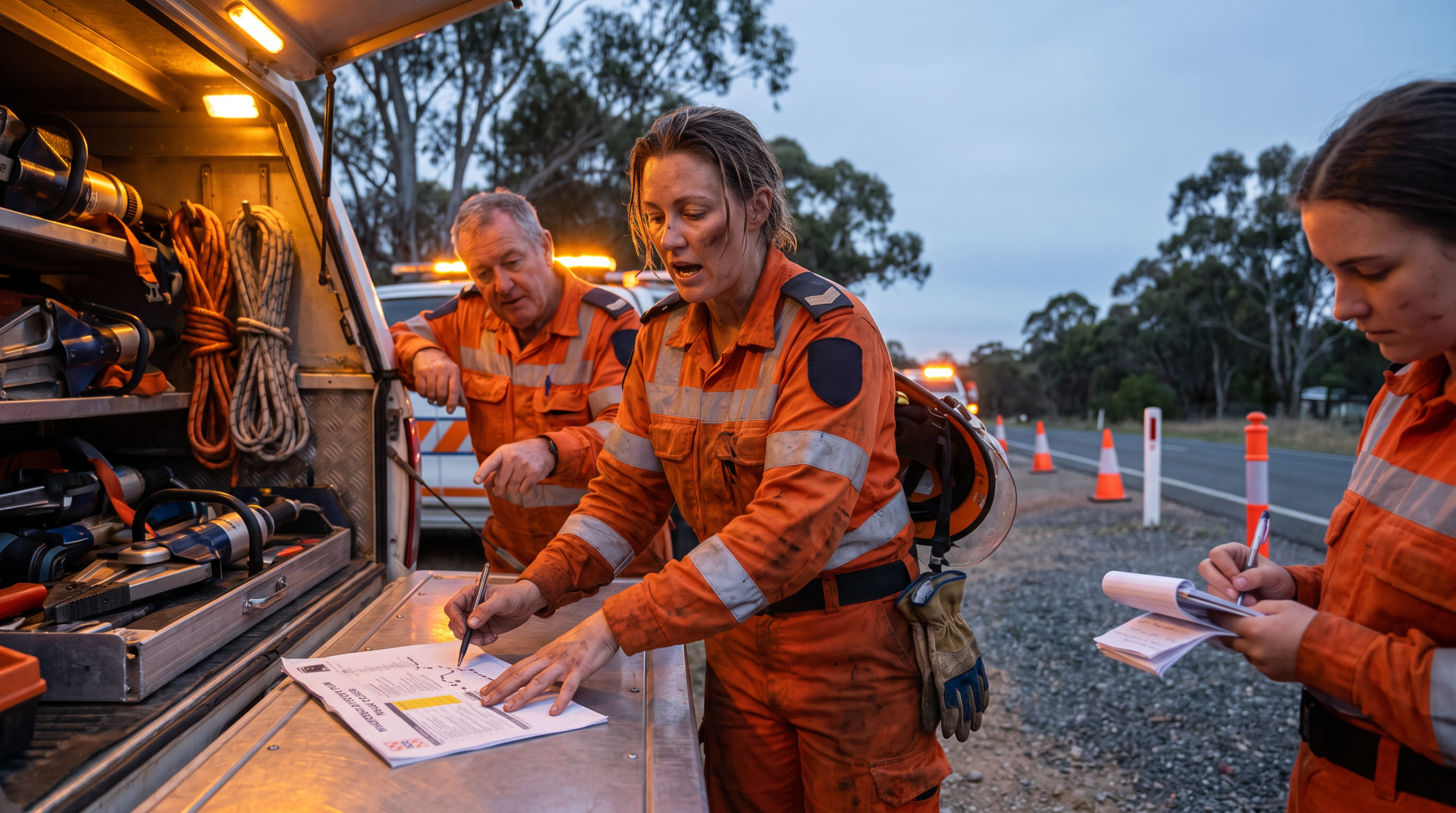
3CIR provides special recognition for current and former Australian Defence Force (ADF) personnel and emergency services workers, offering a 25% discount on all qualifications. Military and emergency services experience often provides excellent foundation knowledge for WHS roles, as these professions emphasise risk management, safety protocols, and emergency response procedures.
Veterans transitioning to civilian careers find WHS roles particularly suitable, as the skills developed in defence and emergency services translate effectively to workplace safety management. Leadership experience, attention to detail, and understanding of procedural compliance are highly valued in the WHS industry.
Our trainers understand the unique backgrounds of military and emergency services personnel, providing contextualised examples that relate to their experience. The RPL pathway is often particularly relevant for veterans, as their extensive safety training and practical experience may qualify them for significant credit recognition. Emergency services personnel, including police, fire, and ambulance workers, possess transferable skills in incident management, risk assessment, and emergency response that align closely with WHS competencies.
Frequently Asked Questions About Certificate IV in Work Health and Safety
What are the entry requirements for Certificate IV in WHS?
There are no formal entry requirements for the Certificate IV in Work Health and Safety, making it accessible to individuals from diverse backgrounds. However, basic literacy and numeracy skills are essential for successful completion, as the course involves reading legislation, conducting risk assessments, and preparing safety documentation.
How long does it take to complete the WHS qualification?
The duration varies depending on your study mode and prior experience. Full-time study typically takes 6-12 months, while part-time online learning may extend to 18 months. RPL candidates may complete the qualification in 2-6 months, depending on their existing competencies and evidence portfolio quality.
Is the Certificate IV in WHS recognised across all Australian states?
Yes, this nationally recognised qualification is accepted across all Australian states and territories. The consistent training standards ensure graduates can work in any jurisdiction, though specific licensing requirements may vary by state for certain roles.
What software and tools will I learn to use in the course?
The curriculum covers various WHS management software applications, risk assessment tools, and incident reporting systems commonly used in Australian workplaces. You’ll gain practical experience with digital forms, safety databases, and compliance tracking systems that enhance your employability. You can start your free assessment to find out what qualifications match your experience.
Can ADF personnel receive credit for their military safety training?
Military personnel often receive significant RPL credit for their defence force training and experience. Safety protocols, risk management procedures, and leadership experience developed in the ADF align closely with civilian WHS competencies, potentially reducing study time considerably.
What specific industries can I work in with this qualification?
Certificate IV WHS graduates can work across all industries, including construction, manufacturing, mining, healthcare, education, retail, and government sectors. The broad applicability of WHS principles ensures employment opportunities exist in virtually every workplace that employs staff.
How does emergency services experience translate to WHS roles?
Emergency services personnel possess excellent transferable skills including incident management, risk assessment, emergency response planning, and regulatory compliance. These competencies align directly with WHS requirements, making the transition to safety roles highly achievable for police, fire, and ambulance professionals.
What are the assessment methods for this qualification?
Assessment combines written assignments, practical demonstrations, workplace projects, and competency conversations. This varied approach ensures you can demonstrate both theoretical knowledge and practical application of WHS principles in realistic workplace scenarios.
Are there opportunities for further study after Certificate IV?
The Certificate IV provides pathways to advanced qualifications including Diploma of Work Health and Safety, and university degrees in occupational health and safety. Professional memberships with industry bodies also offer continuing education opportunities for career advancement.
What support is available for online learners?
Online learners receive comprehensive support including dedicated trainers, technical assistance, learning resources, and flexible assessment scheduling. Regular check-ins ensure you stay on track with your studies while maintaining work-life balance throughout your learning journey.
Ready to advance your career in workplace health and safety? The Certificate IV in WHS opens doors to rewarding career opportunities while contributing to safer Australian workplaces. With 3CIR’s flexible training options, expert instruction, and special recognition for veterans and emergency services personnel, there’s never been a better time to invest in your professional development. Complete your RPL assessment today and take the first step towards your WHS qualification.