
Veterans’ Affairs Office Called ‘Feudal and Chaotic’: Understanding the Crisis
Understanding Veterans’ Affairs in Australia
The Department of Veterans’ Affairs (DVA) is an Australian Government department responsible for providing support, compensation, and healthcare services to current and former members of the Australian Defence Force and their families. Established to honour the service and sacrifice of military personnel, DVA administers various schemes including disability compensation, rehabilitation services, mental health support, and commemorative programs. The department operates under the Veterans’ Entitlements Act 1986 and the Military Rehabilitation and Compensation Act 2004, managing billions of dollars in veteran support annually. However, recent inquiries have highlighted significant systemic issues within the organisation, leading to widespread criticism about service delivery and support quality for Australia’s veteran community.
What Are the Main Criticisms of Veterans’ Affairs?
The Department of Veterans’ Affairs faces severe criticism following a Senate committee inquiry into suicide by veterans and ex-service personnel. Gulf War veteran and advocate Rod Thompson described the department as ‘dysfunctional, feudal and under-resourced’, highlighting systemic problems that affect thousands of Australian veterans.
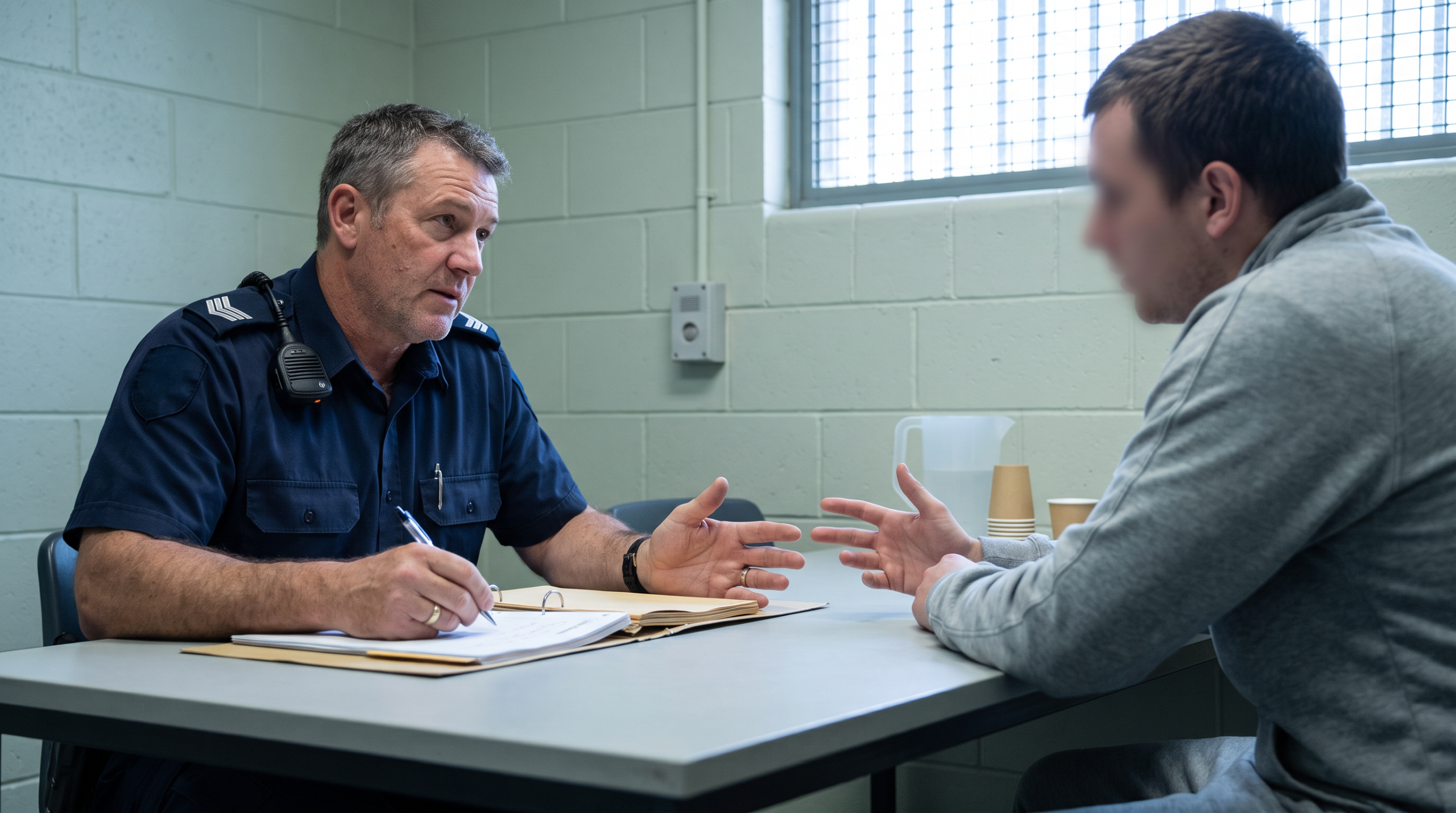
More than 500 submissions to the Senate Standing Committee on Defence revealed disturbing accounts of inadequate support and inappropriate responses from DVA staff. Veterans reported experiencing dismissive attitudes, lengthy delays in processing claims, and a fundamental lack of understanding about their service-related conditions.
The inquiry uncovered instances where veterans seeking help for mental health issues were met with bureaucratic obstacles rather than compassionate support. These failures have contributed to a crisis of confidence in the department’s ability to fulfil its core mission of caring for those who have served Australia.
If you’re a veteran experiencing challenges with DVA processes, consider exploring alternative pathways to recognise your military experience through Recognition of Prior Learning (RPL) qualifications that can enhance your career prospects.
How Do These Issues Impact Veteran Mental Health?
The dysfunctional nature of Veterans’ Affairs has created additional trauma for veterans already struggling with service-related mental health conditions. Veterans reported feeling re-traumatised by the claims process itself, with many describing DVA interactions as more damaging than their original military experiences.
Mental health professionals working with veterans have observed that the adversarial nature of DVA’s approach often exacerbates conditions like PTSD, depression, and anxiety. Instead of providing healing and support, the system frequently creates additional stressors that compound existing mental health challenges.
The training.gov.au website provides information about mental health qualifications that can help support veterans transitioning to civilian careers in the health and community services sector.
What Systemic Failures Have Been Identified?
The Senate inquiry identified multiple systemic failures within Veterans’ Affairs that extend beyond individual cases of poor service. These include inadequate training for DVA staff, inconsistent application of policies, and a culture that prioritises cost-cutting over veteran welfare.
Staff turnover rates within DVA are exceptionally high, leading to inexperienced personnel making decisions about complex veteran claims. This lack of continuity means veterans often must repeatedly explain their circumstances to new staff members, adding frustration to an already difficult process.
The department’s IT systems have also been criticised as outdated and inefficient, contributing to processing delays that can extend for months or even years. These technological failures create additional barriers for veterans seeking timely support for their service-related conditions.
How Can Veterans Navigate These Challenges?
Despite the systemic issues within Veterans’ Affairs, veterans can take proactive steps to protect their interests and improve their outcomes. Seeking independent advocacy support through ex-service organisations has proven effective for many veterans navigating DVA processes.
Maintaining detailed records of all interactions with DVA, including dates, names of staff members, and outcomes of conversations, can provide crucial evidence if appeals become necessary. Veterans should also consider engaging qualified medical professionals who understand military service conditions to support their claims. Find out more about how to convert your military experience into qualifications.
Professional development through vocational education and training can provide alternative pathways for veterans to build fulfilling civilian careers. RPL assessments offer an efficient way to convert military experience into nationally recognised qualifications.
What Reform Initiatives Are Being Proposed?
The Senate inquiry has recommended comprehensive reforms to address the cultural and structural problems within Veterans’ Affairs. These proposals include implementing trauma-informed care practices, improving staff training, and establishing independent oversight mechanisms.
Advocacy groups are calling for fundamental changes to the claims process, including presumptive liability for certain service-related conditions and streamlined approval processes for mental health support. These reforms aim to shift DVA’s culture from one of suspicion to one of support.
The Australian Government has announced various reform initiatives, though veterans’ advocates argue that implementation has been too slow and lacks the urgency required to address the current crisis. Continuous monitoring and accountability measures will be essential to ensure meaningful change occurs.
Why Do ADF Personnel Need Better Transition Support?
The transition from military to civilian life represents one of the most challenging periods for ADF personnel, yet Veterans’ Affairs has consistently failed to provide adequate support during this critical time. The ‘feudal and chaotic’ nature of the department compounds these transition difficulties.
Many veterans struggle to translate their military skills and experience into civilian career opportunities. The rigid bureaucracy within DVA often fails to recognise the valuable capabilities that veterans possess, instead focusing narrowly on medical conditions and compensation claims.
Effective transition support should include career counselling, skills recognition, and educational opportunities that leverage veterans’ existing knowledge and experience. Vocational qualifications through RPL can provide veterans with formal recognition of their military expertise.
How Can Professional Development Support Veterans?
Professional development opportunities through vocational education and training can provide veterans with alternative pathways to success, independent of Veterans’ Affairs processes. These qualifications offer formal recognition of skills developed during military service while opening doors to new career opportunities.
Many veterans possess extensive leadership, management, and technical skills that translate effectively to civilian industries. However, without formal qualifications, these capabilities often go unrecognised by potential employers who may not understand the depth of military training.
RPL assessments allow veterans to fast-track their qualifications by recognising their existing skills and knowledge. This approach acknowledges the value of military experience while providing practical credentials for civilian employment. Start your RPL assessment today to explore how your military background can support your career goals.
Recognition of Prior Learning for Veterans
Recognition of Prior Learning (RPL) represents a crucial pathway for veterans to convert their military experience into nationally recognised qualifications. This process acknowledges that learning occurs in many environments, including military service, and provides formal recognition for skills and knowledge acquired outside traditional educational settings.
Veterans possess extensive capabilities in areas such as leadership, project management, logistics, security, and emergency response. These skills often exceed the requirements for civilian qualifications, yet many veterans lack the formal credentials that employers seek in the civilian job market.
The RPL process involves documenting your military experience, demonstrating how it aligns with qualification requirements, and providing evidence of competency. This evidence can include military training records, performance evaluations, photographs of work activities, and testimonials from colleagues or supervisors. For more information, qualifications for veterans.
3CIR specialises in RPL assessments for veterans, understanding the unique challenges they face when transitioning to civilian careers. Our assessors have extensive experience working with military personnel and understand how to translate ADF training and experience into formal qualifications.
Common qualifications available through RPL for veterans include business, leadership and management, project management, security services, and emergency response. These credentials can significantly improve employment prospects and provide a foundation for further professional development.
The Australian Qualifications Framework ensures that RPL qualifications are nationally recognised and transferable between education providers and employers. This recognition provides veterans with portable credentials that support career mobility and progression.
Support for Veterans and Emergency Services Personnel
3CIR recognises the valuable service provided by ADF personnel and emergency services workers through our dedicated support programs. We understand that these professionals face unique challenges when transitioning to civilian careers or seeking to advance their professional qualifications.
All current and former defence and emergency services personnel receive a 25% discount on RPL assessments and qualifications through 3CIR. This discount acknowledges the service these individuals have provided to the community and helps reduce financial barriers to professional development.
Our team includes assessors with military and emergency services backgrounds who understand the context of your experience and can effectively evaluate your skills against qualification standards. This expertise ensures fair and accurate assessment outcomes that properly recognise your capabilities.
Veterans often possess qualifications and experience that exceed civilian industry standards in areas such as leadership, crisis management, and team coordination. Our RPL process captures these capabilities and translates them into formal credentials that employers recognise and value.
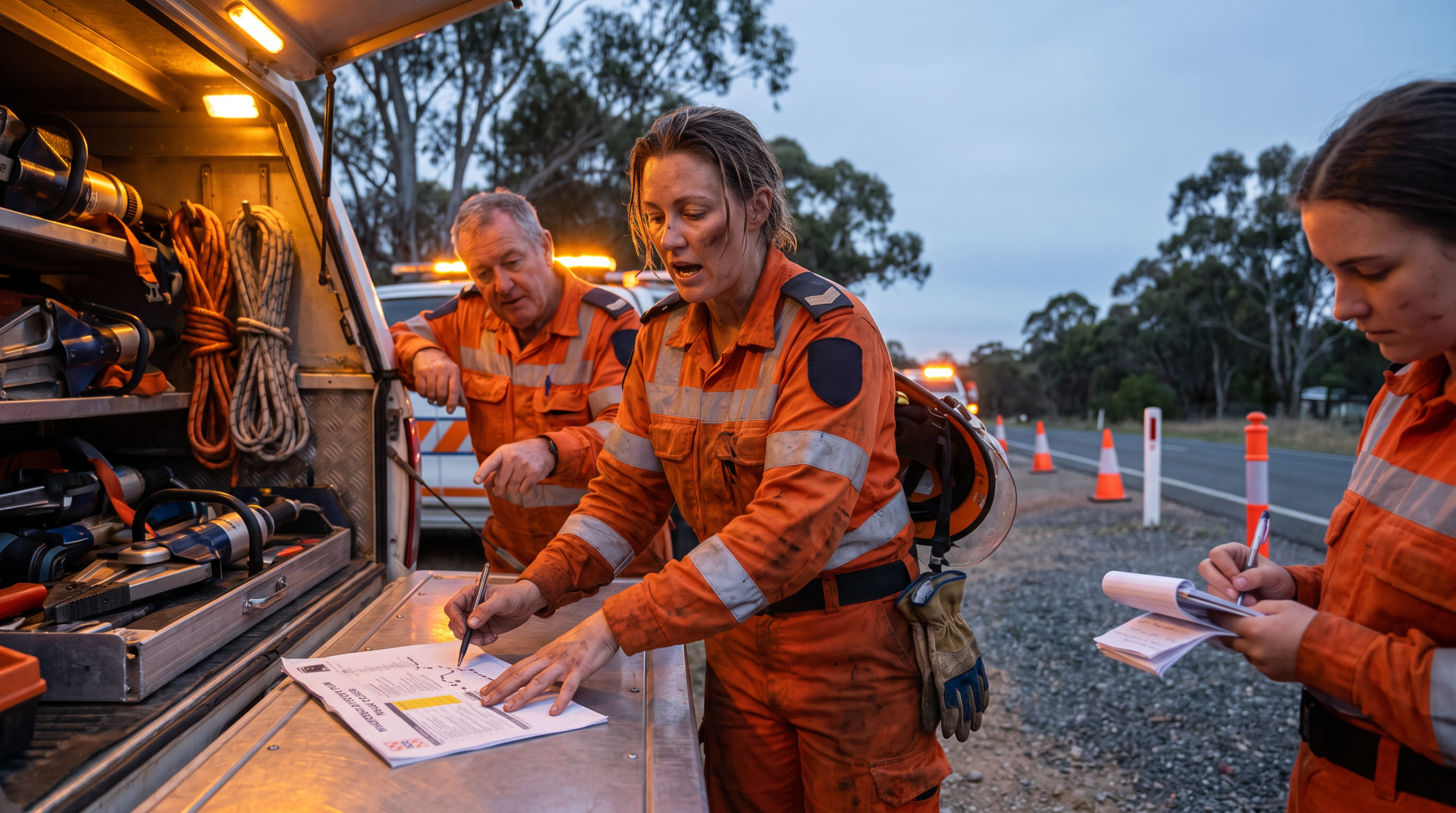
Emergency services personnel, including police, firefighters, paramedics, and SES volunteers, can also benefit from RPL assessments that recognise their extensive training and operational experience. These qualifications can support career advancement within emergency services or transition to related civilian industries.
The combination of military or emergency services experience with formal qualifications creates a powerful professional profile that demonstrates both practical capability and theoretical knowledge. This combination is highly valued by employers across various industries.
For more information about the Australian Skills Quality Authority and quality standards for vocational education and training, veterans can access comprehensive resources about their rights and protections as VET students.
Begin your RPL journey today and discover how your military or emergency services experience can accelerate your professional development through nationally recognised qualifications.
Frequently Asked Questions
What does ‘feudal and chaotic’ mean in relation to Veterans’ Affairs?
The description ‘feudal and chaotic’ refers to a dysfunctional organisational culture within DVA characterised by rigid hierarchies, inconsistent processes, and poor communication between different areas of the department. You can check your RPL eligibility to find out what qualifications match your experience.
How many veterans have complained about DVA services?
More than 500 submissions were made to the Senate inquiry, representing thousands of veterans who have experienced inadequate support from the Department of Veterans’ Affairs.
Why do ADF personnel struggle with DVA processes?
ADF personnel often encounter dismissive attitudes, lengthy delays, bureaucratic obstacles, and staff who lack understanding of military service conditions, creating additional trauma during vulnerable periods.
Can emergency services personnel access the same support as veterans?
Emergency services personnel face similar transition challenges to veterans and can benefit from RPL qualifications, though DVA services specifically target current and former ADF members.
What qualifications can veterans obtain through RPL?
Veterans can obtain qualifications in leadership, management, project management, security services, emergency response, business administration, and various other fields based on their military experience.
How long does the RPL assessment process take?
RPL assessments typically take 2-6 weeks depending on the complexity of the qualification and the completeness of evidence provided by the candidate.
What evidence do I need for RPL as a veteran?
Evidence includes military training records, performance evaluations, duty statements, photographs of work activities, testimonials from supervisors, and documentation of specific projects or operations.
Are RPL qualifications recognised by employers?
Yes, RPL qualifications are nationally recognised under the Australian Qualifications Framework and carry the same value as qualifications obtained through traditional study methods.
How much discount do veterans receive at 3CIR?
All current and former defence and emergency services personnel receive a 25% discount on RPL assessments and qualifications through 3CIR’s veteran support program.
Can RPL help if DVA has rejected my claims?
While RPL cannot directly assist with DVA claims, obtaining formal qualifications can improve employment prospects and provide alternative pathways to career success independent of DVA processes.
The crisis within Veterans’ Affairs highlights the urgent need for comprehensive reform and alternative support pathways for veterans. While systemic change may take time, veterans can take proactive steps to advance their careers through professional development and skills recognition. Contact 3CIR today to explore how RPL can help you convert your military experience into valuable qualifications that support your civilian career goals.
Relevant Training Videos
Explore these training videos to understand more about qualifications available through RPL:
- Leadership: https://youtu.be/7k57ygLXncA
- HR Management: https://youtu.be/jLUKTpqOOfU
- Work Health and Safety: https://youtu.be/6QHTzXlE5C0
- Security Services: https://youtu.be/d20nwpEot8Q
- Business Administration: https://youtu.be/8P_VySE0zjQ
- Marketing: https://youtu.be/VdQxJKmgZfs
- Government Services: https://youtu.be/PV_knsJnb5E
- Project Management: https://youtu.be/kz7CyEsRNyg