
How many Are Seeking Career Change: Your Guide to Workforce Transformation
Understanding Career Transition in Australia’s Modern Workforce
Career transition refers to the process of moving from one professional role, industry, or career path to another. In the Australian context, career transitions encompass various forms of employment change, including industry switching, role advancement, skill pivoting, or complete career overhauls.
Career transition represents a structured approach to professional change that involves assessing existing skills, identifying target roles, and strategically developing required competencies. Within Australia’s vocational education and training (VET) system, career transitions are facilitated by nationally recognised qualifications aligned with the Australian Qualifications Framework (AQF). The framework ensures that skills and knowledge gained through work experience can be formally recognised and applied across different industries and roles.
Modern career transitions often involve Recognition of Prior Learning (RPL) processes, where individuals leverage existing skills and experience to qualify for new roles or industries. The Australian Qualifications Framework supports these transitions by providing clear pathways between different qualification levels and ensuring transferability of skills across sectors. This systematic approach enables professionals to build upon their existing knowledge base whilst developing new competencies required for emerging career opportunities.
What Drives Career Change in the Australian Workforce?
The significant percentage of Australians seeking career change reflects broader economic and social shifts affecting the modern workplace. According to recent SEEK employment data, many workers are actively considering career transitions within the next twelve months, with 29% specifically seeking more fulfilling and meaningful work arrangements. This trend represents the largest recorded intent to change careers in Australian employment history.
Multiple factors contribute to this workforce transformation phenomenon. Economic uncertainty, technological advancement, and changing industry demands create both challenges and opportunities for career development. The COVID-19 pandemic accelerated digital transformation across industries, creating new job categories whilst rendering others obsolete. This shift has prompted many professionals to reassess their career trajectories and seek opportunities that offer greater security, flexibility, and personal satisfaction.
Generational differences also influence career transition trends. Younger workers increasingly prioritise work-life balance, environmental sustainability, and social impact when making career decisions. Meanwhile, experienced professionals often seek roles that provide mentoring opportunities, flexible arrangements, or the chance to apply decades of expertise in new contexts. These diverse motivations create a dynamic job market where traditional career paths are being redefined.
How Does Recognition of Prior Learning Support Career Transition?
Recognition of Prior Learning serves as a critical bridge between existing professional experience and formal qualifications required for career advancement. Through RPL assessment processes, individuals can demonstrate competency in specific skill areas without completing traditional coursework or training programs. This approach recognises that valuable learning occurs through work experience, volunteer activities, and informal training opportunities.
The RPL process involves a comprehensive assessment of an individual’s skills, knowledge, and experience against nationally recognised training package competencies. Qualified assessors evaluate evidence portfolios containing work samples, employer references, project documentation, and practical demonstrations. This evidence-based approach ensures that formal qualifications accurately reflect real-world capabilities and industry-relevant expertise.
For career changers, RPL offers several advantages, including reduced study time, cost-effective qualification pathways, and the ability to maintain employment whilst pursuing formal recognition. Many professionals discover that their existing skills translate directly to new industries, requiring only specific technical knowledge or regulatory compliance training to complete career transitions successfully.
Which Industries Offer the Greatest Opportunities for Career Changers?
Several industries demonstrate strong growth potential and actively welcome career changers with transferable skills. The technology sector continues to expand rapidly, with demand for project managers, business analysts, cybersecurity specialists, and digital marketing professionals. Many technology roles value problem-solving, communication, and analytical thinking over specific technical backgrounds.
Healthcare and aged care represent growing sectors driven by Australia’s ageing population and increased focus on preventive health services. These industries offer opportunities for professionals with customer service experience, administrative backgrounds, or leadership capabilities. Aged care qualifications can be achieved through RPL for those with relevant experience in caring roles.
The environmental and renewable energy sectors present emerging opportunities for professionals seeking meaningful work aligned with sustainability values. Project management, engineering, business development, and regulatory compliance roles within these industries often welcome candidates with transferable skills from traditional sectors. The government’s commitment to renewable energy targets creates ongoing demand for qualified professionals in these areas.
What Steps Should You Take to Successfully Transition Your Career?
A successful career transition requires strategic planning, skill assessment, and targeted development activities. Begin by conducting a comprehensive skills audit to identify your transferable capabilities and development needs. Consider both technical skills specific to your current role and soft skills such as leadership, communication, problem-solving, and project management that apply across industries.
Research your target industry thoroughly, including growth trends, salary expectations, required qualifications, and key employers. Networking within your chosen field provides valuable insights into industry culture, advancement opportunities, and potential entry points. Professional associations, industry events, and online communities offer platforms for building relationships and gaining industry knowledge.
Consider formal qualification pathways that align with your career goals. RPL assessment can provide quick recognition of existing skills, whilst targeted training programs can fill specific knowledge gaps. Many registered training organisations offer flexible study options that accommodate working professionals, including online delivery and part-time schedules.
How Can You Leverage Your Existing Experience for Career Growth?
Your existing professional experience represents valuable capital that can be strategically leveraged to advance your career. Document your achievements, quantify your impact, and identify patterns in your success factors. This analysis helps clarify your natural strengths and preferred working environments, informing better career decisions.
Transferable skills often prove more valuable than industry-specific knowledge when transitioning careers. Leadership experience, project management capabilities, customer relationship skills, and problem-solving abilities translate across most industries. Focus on articulating how these competencies apply to your target role, rather than emphasising industry-specific experience that may not transfer directly.
Consider pursuing leadership and management qualifications that formally recognise your supervisory experience and provide frameworks for advanced management responsibilities. These qualifications often serve as stepping stones to senior roles across various industries and demonstrate commitment to professional development.
What Role Do Registered Training Organisations Play in Career Transition?
Registered Training Organisations (RTOs) serve as critical facilitators of career transition by providing pathways between industries and qualification levels. RTOs deliver nationally recognised training aligned with industry standards and regulatory requirements, ensuring that qualifications meet employer expectations and professional standards.
Quality RTOs offer personalised assessment processes that recognise individual learning styles, professional backgrounds, and career objectives. Through comprehensive RPL programs, individuals can achieve formal qualifications efficiently whilst maintaining employment and family commitments. This flexibility proves essential for working professionals seeking career advancement without significant life disruption.
RTOs also provide ongoing support throughout the career transition process, including career counselling, industry connections, and job placement assistance. Many maintain relationships with industry partners, creating opportunities for work placements, networking events, and direct recruitment pathways. This industry connectivity helps bridge the gap between formal education and practical employment opportunities.
Recognition of Prior Learning: Your Pathway to Formal Qualifications
Recognition of Prior Learning represents a powerful tool for career changers seeking formal recognition of their existing capabilities. The RPL process acknowledges that significant learning occurs outside traditional classroom environments and provides mechanisms for converting this experience into nationally recognised qualifications.
The Australian VET system recognises four categories of prior learning: formal learning through accredited courses, non-formal learning through structured training programs, informal learning through work experience, and experiential learning through life experiences. RPL assessment considers evidence from all these sources to build a comprehensive picture of an individual’s competency.
Successful RPL applications require systematic evidence collection demonstrating competency against specific training package requirements. This evidence may include work samples, employer testimonials, project documentation, certificates from short courses, performance reviews, and practical demonstrations. Quality RTOs provide guidance throughout this process, helping candidates identify relevant evidence and present it effectively.
The training.gov.au website provides comprehensive information about training packages, qualification requirements, and competency standards across all Australian industries. This resource helps individuals understand specific requirements for their target qualifications and identify evidence requirements for RPL applications.
RPL offers significant time and cost advantages compared to traditional training pathways. Rather than completing entire courses, candidates focus on demonstrating existing competency and addressing specific knowledge gaps. This targeted approach often reduces qualification timeframes from years to months whilst providing equivalent recognition and industry standing.
Veterans and Emergency Services: Specialised Career Transition Support
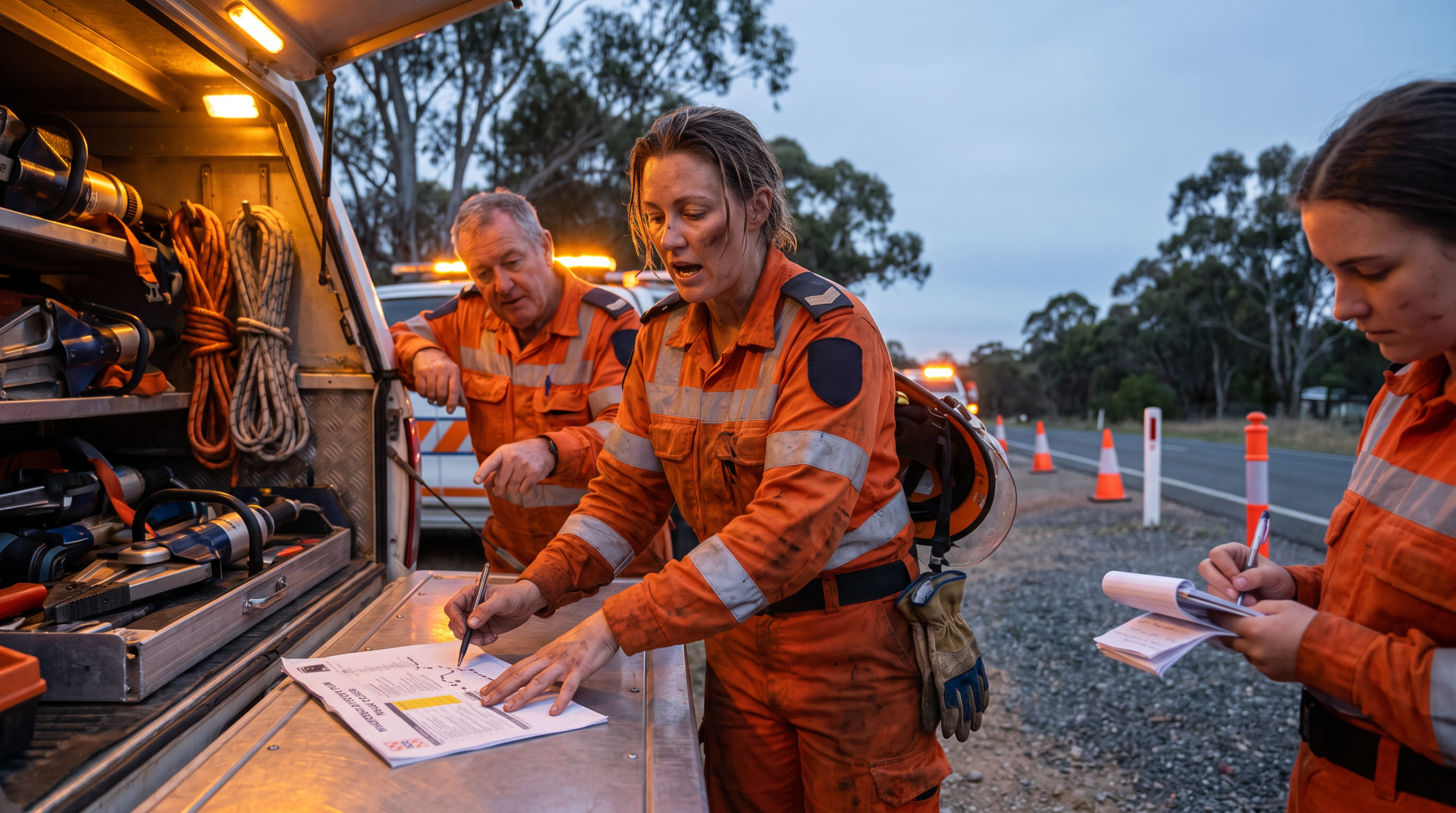
Australian Defence Force (ADF) personnel and emergency services professionals possess unique skill sets that translate effectively to civilian careers. Military and emergency services experience develops leadership capabilities, crisis management skills, technical expertise, and a strong work ethic, all highly valued by civilian employers.
Veterans transitioning to civilian careers often face challenges in translating military experience into civilian terminology and demonstrating relevance to commercial environments. Specialised RPL programs for ADF personnel address these challenges by systematically mapping military competencies to civilian qualification frameworks.
Emergency services professionals, including police, firefighters, paramedics, and emergency management personnel, develop transferable skills in leadership, training delivery, risk assessment, project coordination, and crisis communication. These capabilities align well with roles in corporate training, workplace health and safety, project management, and organisational development.
3CIR recognises the value of military and emergency services experience by offering a 25% discount on all qualifications for current and former defence and emergency services personnel. This discount acknowledges the service contributions of these professionals whilst reducing financial barriers to career transition and professional development.
Common career pathways for veterans and emergency services personnel include workplace health and safety, project management, training and assessment, business management, and government relations. These fields value the discipline, reliability, and leadership experience developed through military and emergency services careers.
Frequently Asked Questions About Career Transition and Training
How long does the RPL assessment process typically take?
RPL assessment timelines vary depending on qualification complexity and the availability of evidence, typically ranging from 4-12 weeks. Simple certificate-level qualifications may be completed within a month, whilst diploma-level assessments often require 6-8 weeks for comprehensive evaluation.
What types of evidence are required for successful RPL applications?
Successful RPL applications require diverse evidence, including work samples, employer references, project documentation, training certificates, performance reviews, and practical demonstrations. The evidence must demonstrate competency against specific training package requirements and industry standards.
Can ADF personnel use military experience for civilian qualifications?
Military experience translates effectively to numerous civilian qualifications, including leadership and management, project management, training and assessment, and workplace health and safety. Specialised assessment processes help map military competencies to civilian training package requirements.
Which qualifications offer the best career advancement opportunities?
Leadership and management qualifications, project management certifications, and workplace health and safety credentials consistently provide strong advancement opportunities across multiple industries. These qualifications develop transferable skills valued by employers in diverse sectors.
How much does RPL cost compared to traditional training programs?
RPL assessment costs typically account for 30-50% of traditional training program fees, as candidates focus on demonstrating existing competency rather than completing the full coursework. Additional savings include reduced time away from work and faster qualification completion.
What support is available for emergency services personnel seeking a career change?
Emergency services personnel receive specialised support, including targeted RPL programs, career counselling, industry networking opportunities, and 25% discount on qualifications. These services recognise the unique skills and experience developed through careers in emergency services.
Are online qualifications recognised equally to face-to-face training?
Online qualifications delivered by registered training organisations are recognised as equivalent to face-to-face training, provided they meet ASQA quality standards and deliver the nationally recognised training package competencies. Employer acceptance depends on the relevance of qualifications rather than the delivery method.
What industries are experiencing the strongest growth for career changers?
Technology, healthcare, aged care, renewable energy, and professional services demonstrate strong growth and welcome career changers. These industries value transferable skills and offer diverse entry points for professionals from other sectors.
How can I identify which qualifications match my career goals?
Career planning involves researching target roles, industry requirements, and qualification pathways using resources like training.gov.au and industry job boards. Professional career counselling helps align personal interests with market opportunities and qualification requirements.
What ongoing support is provided after qualification completion?
Quality RTOs provide ongoing support, including career counselling, industry networking events, job placement assistance, and continuing professional development opportunities. Alumni networks and industry partnerships create ongoing career advancement opportunities for graduates.
Ready to Transform Your Career Through RPL?
Take the first step towards your career transformation today. Our experienced assessors will evaluate your existing skills and experience to identify the fastest pathway to formal qualifications. Veterans and emergency services personnel receive 25% discount on all programs.