Green Beret Mission to Entrepreneur Vision: Military Leadership to Business Success
Green Berets possess unique leadership, adaptability, and strategic thinking skills that translate directly to entrepreneurial success. Military veterans leverage mission-focused training, systematic approaches, and team-building expertise to build thriving businesses across Australia’s competitive marketplace.
What is Green Beret Entrepreneurship?
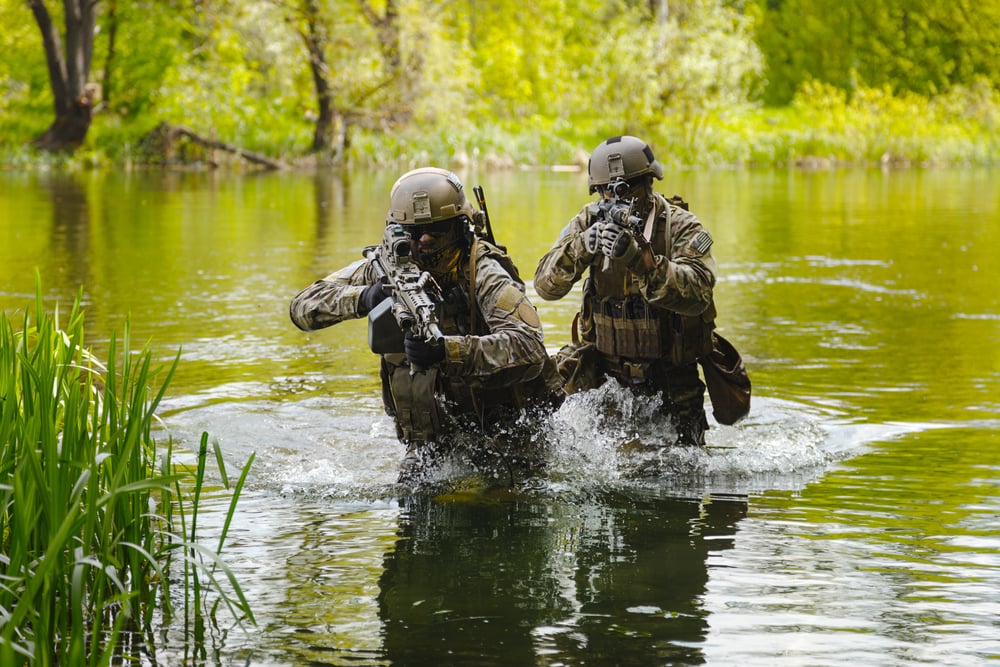
Green Beret entrepreneurship represents the application of United States Army Special Forces training principles to civilian business ventures. Green Berets, officially known as Special Forces soldiers, undergo extensive training in unconventional warfare, foreign languages, medical skills, communications, weapons, engineering, and intelligence. These multidisciplinary competencies create a foundation for entrepreneurial thinking, characterised by adaptability, leadership under pressure, strategic planning, and the ability to operate independently in uncertain environments. The transition from military service to entrepreneurship leverages core Special Forces attributes, including mission analysis, team building, resource optimisation, and the ability to train and work with diverse populations. This unique skill set enables veterans to identify market opportunities, build resilient business models, and lead teams effectively in competitive civilian markets.
How Do Military Skills Translate to Business Success?
The transition from Green Beret mission to entrepreneur vision begins with understanding how military competencies apply to civilian business environments. Your military training has equipped you with invaluable skills that directly translate to entrepreneurial success in the civilian marketplace.
Leadership under pressure forms the cornerstone of both Special Forces operations and successful business management. When you’ve commanded teams in high-stakes situations, managing business crises becomes second nature. Your ability to remain calm whilst making critical decisions serves you well when navigating market volatility, financial challenges, or operational setbacks.
Strategic planning capabilities developed through mission analysis directly apply to business planning processes. The systematic approach you used to assess threats, identify objectives, and allocate resources mirrors effective business strategy development. You understand how to break complex goals into manageable tasks, establish clear timelines, and adapt plans when circumstances change.
If you’re ready to transform your military expertise into business success, complete your RPL assessment today and discover how your existing skills can be formally recognised through nationally recognised qualifications.
What Makes Special Forces Veterans Exceptional Entrepreneurs?
Special Forces training creates entrepreneurs with unique advantages in the civilian marketplace. Your experience operating in ambiguous environments directly translates into navigating uncertain business conditions. Unlike traditional employees who require detailed instructions, you’re comfortable making decisions with incomplete information and adapting strategies as new intelligence emerges.
The networking skills developed whilst working with indigenous populations and foreign military units prove invaluable in business development. You understand how to build relationships across cultural and professional boundaries, establishing trust with diverse stakeholders. This ability to connect with people from diverse personalities and backgrounds enhances your capacity to build client relationships, negotiate partnerships, and manage diverse teams.
Your unconventional warfare training equips you with creative problem-solving approaches that set veteran entrepreneurs apart from their civilian counterparts. When conventional solutions fail, you naturally seek alternative methods, often discovering innovative approaches that give your business competitive advantages.
How Can Veterans Leverage Formal Qualifications for Business Growth?
Whilst your military experience provides substantial practical knowledge, formal qualifications enhance credibility and open additional opportunities in the civilian business world. Australian leadership and management qualifications validate your existing skills whilst teaching civilian-specific applications.
The Australian Qualifications Framework (AQF) provides structured pathways for veterans to gain recognised credentials. Through Recognition of Prior Learning (RPL) processes, you can convert your military experience into formal qualifications without repeating training you’ve already mastered. This approach saves time and money whilst providing the credentials employers and clients expect.
Business qualifications from registered training organisations help you understand civilian regulatory environments, accounting practices, and legal requirements that differ from military operations. These insights are crucial for establishing a business, managing compliance obligations, and understanding your rights and responsibilities as a business owner.
For information about available qualifications that align with your military background, visit training.gov.au to explore nationally recognised courses that complement your existing expertise.
Why Do Military Networks Prove Invaluable in Business?
The relationships you’ve built during military service provide extraordinary advantages when launching and growing businesses. Military networks demonstrate loyalty, reliability, and mutual support that extend well beyond active service. Your fellow veterans understand your background, trust your capabilities, and often become valuable business partners, clients, or advisors.
These networks span diverse industries and geographical locations, providing access to opportunities that civilian entrepreneurs must work years to develop. Former colleagues who’ve transitioned to various sectors can provide industry insights, introductions to potential clients, and recommendations that accelerate business development.
Military networks also provide access to veteran-specific business opportunities, including government contracts reserved for veteran-owned businesses and programs designed to support veteran entrepreneurship. Understanding how to leverage these networks whilst maintaining professional relationships requires balancing personal connections with business objectives.
What Business Sectors Suit Former Special Forces Personnel?
Your Special Forces background opens opportunities across numerous business sectors, particularly those requiring leadership, strategic thinking, and operational excellence. Security consulting represents a natural transition, allowing you to leverage tactical expertise whilst advising civilian organisations on risk management and protective measures.
Training and development businesses capitalise on your instructional abilities and leadership experience. Many veterans successfully establish training and assessment enterprises that serve corporate clients seeking practical leadership development and team-building solutions.
Technology and logistics sectors value military precision and systematic approaches. Your experience coordinating complex operations, managing supply chains, and ensuring mission success translates effectively to project management, supply chain optimisation, and operational improvement consulting.
The healthcare and emergency services sectors benefit from your medical training and crisis management experience. Many Special Forces veterans transition to emergency management consulting, disaster response coordination, or specialised healthcare services that require calm decision-making under pressure.
How Do You Overcome Common Veteran Entrepreneur Challenges?
Transitioning from military structure to entrepreneurial flexibility presents unique challenges that require specific strategies. Military environments provide clear hierarchies, defined procedures, and established support systems that don’t exist in civilian business. Learning to operate without these familiar frameworks requires conscious adaptation and the development of new skills.
Financial management represents a common challenge area, as military service typically handles personal finance through established systems. Business financial management requires understanding cash flow, profit margins, tax obligations, and investment strategies. Consider pursuing business qualifications that address these civilian-specific requirements.
Marketing and sales skills rarely feature prominently in military training, yet they’re essential for business success. Learning to promote yourself and your services feels uncomfortable for many veterans accustomed to team-focused achievements. Developing personal branding and sales techniques requires practice and often formal training.
Regulatory compliance in civilian business differs significantly from military protocols. Understanding employment law, consumer protection, industry regulations, and tax obligations requires systematic learning. Australian Small Business and Family Enterprise Ombudsman provides excellent resources, whilst qualified business advisors can guide you through complex requirements.
Recognition of Prior Learning for Military Veterans
Recognition of Prior Learning (RPL) provides military veterans with pathways to formal qualifications based on existing knowledge and experience. Through RPL processes, you can gain nationally recognised credentials without repeating training you’ve already mastered during military service.
The RPL process involves documenting your military experience, demonstrating competencies through portfolios and practical assessments, and mapping your skills against qualification requirements. This approach recognises that learning occurs through experience, not just through formal education, and acknowledges the substantial training and development you’ve received during military service.
RPL assessments consider your leadership roles, training responsibilities, project management experience, and technical skills developed through military service. Qualified assessors evaluate your evidence against Australian Qualifications Framework standards, ensuring your civilian credentials accurately reflect your capabilities.
Business-related qualifications available through RPL include leadership and management, project management, training and assessment, and business operations. These credentials enhance your professional credibility whilst providing frameworks for applying military skills in civilian contexts.
Ready to explore your RPL options? Start your RPL assessment and discover how your military experience translates to formal qualifications that support your entrepreneurial goals.
Special Benefits for Defence and Emergency Services Personnel
Australian veterans deserve recognition for their service through practical support that facilitates successful civilian transitions. 3CIR acknowledges military and emergency services contributions by providing 25% discounts on all qualifications for current and former Australian Defence Force (ADF) and emergency services personnel.
This significant discount applies to all nationally recognised qualifications, including business, leadership, project management, and training courses that support entrepreneurial development. The discount recognises that veterans often face financial challenges during transition periods and ensures that financial constraints don’t prevent access to career-enhancing qualifications.
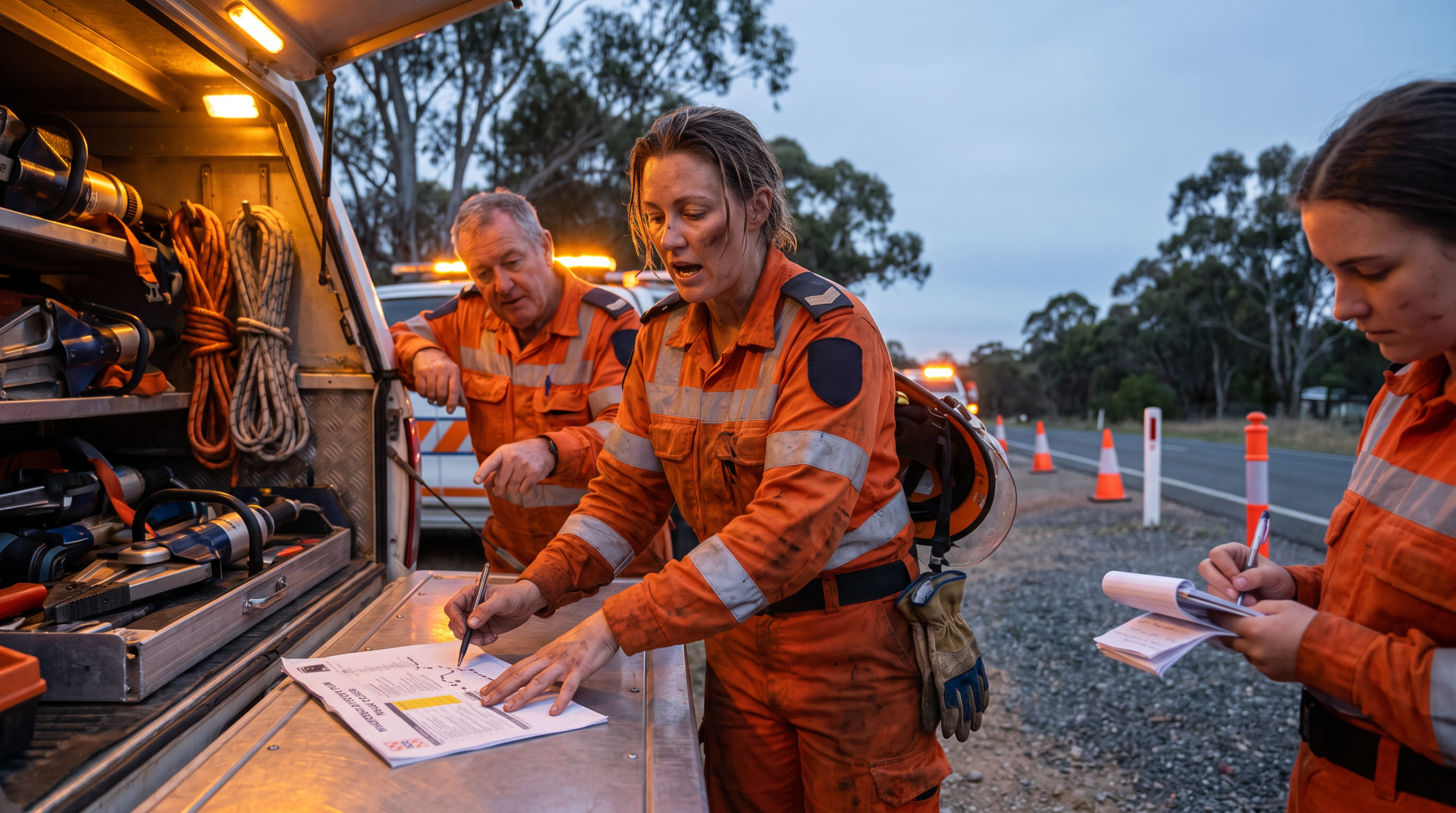
Emergency services personnel, including police, fire, and ambulance officers, also qualify for these discounted rates. These professionals demonstrate similar leadership, crisis management, and operational excellence skills that translate effectively to business success. Their experience managing emergency situations, coordinating resources, and working under pressure provides an excellent foundation for entrepreneurial ventures.
To access veteran and emergency services discounts, simply identify your service background during enrolment. 3CIR’s veteran support team understands military and emergency services environments and can guide you through qualification options that best suit your background and career objectives.
Frequently Asked Questions
How long does military to civilian business transition typically take?
Military to civilian business transition varies significantly based on individual circumstances, but most veterans require 12-18 months to establish stable business operations. This timeframe includes market research, business planning, qualification acquisition, network development, and initial client acquisition phases.
What qualifications do ADF veterans need for business success?
ADF veterans benefit from business qualifications, leadership credentials, and industry-specific certifications. RPL processes can convert military experience into formal qualifications, whilst additional civilian-focused training addresses regulatory requirements, financial management, and marketing strategies essential for business success.
Can emergency services personnel use similar transition strategies?
Emergency services personnel possess comparable leadership, crisis management, and operational skills that translate effectively to business environments. Police, fire, and ambulance officers can leverage similar transition strategies, including RPL assessments, networking approaches, and qualification pathways designed for high-pressure operational backgrounds.
Which business sectors offer the best opportunities for former Special Forces?
Security consulting, training and development, logistics, project management, and emergency management sectors align well with Special Forces backgrounds. These industries value military precision, leadership experience, and operational excellence whilst providing opportunities to leverage tactical and strategic expertise.
How do RPL assessments work for military veterans?
RPL assessments evaluate military experience against qualification requirements through portfolio development, practical demonstrations, and competency mapping. Veterans document their leadership roles, training responsibilities, and technical skills, which qualified assessors evaluate against Australian Qualifications Framework standards to determine appropriate qualification levels.
What financial support exists for veteran entrepreneurs in Australia?
Australian veteran entrepreneurs can access various financial support options, including veteran business loans, government grants, mentorship programs, and reduced-rate qualifications. Organizations like 3CIR offer 25% discounts for current and former ADF personnel, whilst government agencies provide startup assistance and ongoing business development support.
How important are formal qualifications versus military experience?
Both formal qualifications and military experience contribute to business success, but civilian credentials enhance credibility and open additional opportunities. Military experience provides practical skills and leadership capabilities, whilst formal qualifications demonstrate civilian-relevant knowledge and regulatory compliance understanding that clients and partners expect.
What are common mistakes veterans make when starting businesses?
Common veteran entrepreneur mistakes include underestimating marketing and sales requirements, insufficient financial planning, over-reliance on military networks, inadequate understanding of civilian regulatory environments, and difficulty adapting to less structured business environments that require greater flexibility and self-direction.
How can veterans maintain military discipline whilst embracing entrepreneurial flexibility?
Successful veteran entrepreneurs balance military discipline with entrepreneurial flexibility by maintaining structured planning processes whilst remaining adaptable to changing market conditions. This involves setting clear objectives and timelines whilst accepting that business environments require more iterative approaches than traditional military operations.
What resources help veterans develop civilian business networks?
Veterans can develop civilian business networks through industry associations, business networking groups, veteran entrepreneur organizations, professional development courses, and community business events. Formal qualifications often provide access to alumni networks and industry connections that complement existing military relationships.
Improve your military leadership experience into entrepreneurial success with nationally recognised qualifications designed for veterans. Begin your RPL assessment today and take advantage of 25% discounts available for all current and former defence and emergency services personnel.
Explore relevant video resources to enhance your understanding:
- Leadership: https://youtu.be/7k57ygLXncA
- HR: https://youtu.be/jLUKTpqOOfU
- WHS: https://youtu.be/6QHTzXlE5C0
- Security: https://youtu.be/d20nwpEot8Q
- Business: https://youtu.be/8P_VySE0zjQ
- Marketing: https://youtu.be/VdQxJKmgZfs
- Government: https://youtu.be/PV_knsJnb5E
- Project Management: https://youtu.be/kz7CyEsRNyg