
Transition from Military to Corrections: Enrol in the CSC50122 Diploma Today
AI Summary: Military personnel transitioning to civilian careers can leverage their leadership and discipline skills in correctional management through the CSC50122 Diploma of Correctional Administration. This nationally recognised qualification bridges military expertise with correctional administration, offering structured career pathways in Australia’s expanding justice system with specialised training in rehabilitation strategies, security management, and governance frameworks.
What Is Correctional Administration?
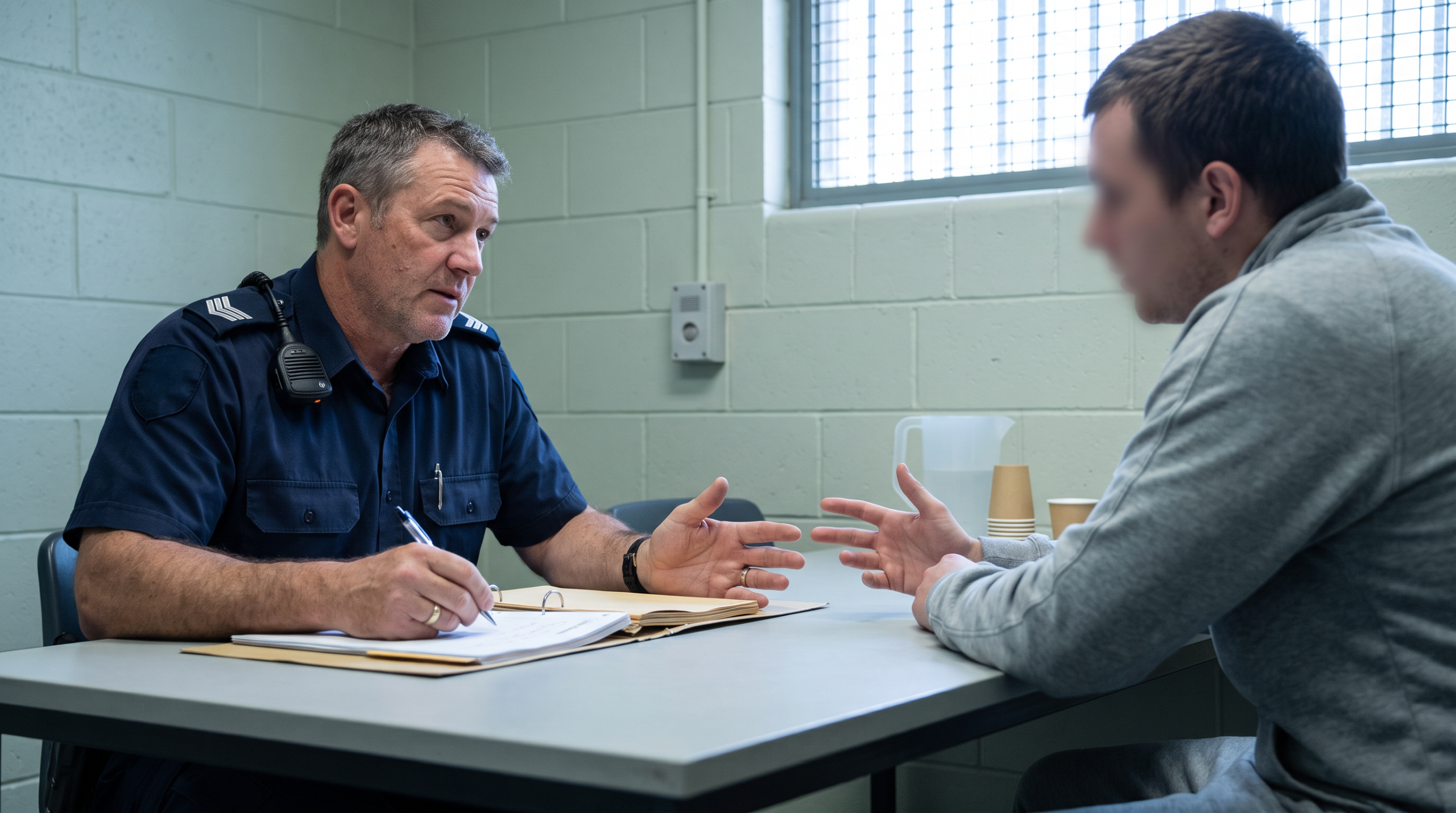
Correctional administration encompasses the comprehensive management and oversight of correctional facilities, including prisons, rehabilitation centres, and community-based correction programs. This field involves strategic planning, policy implementation, staff supervision, offender management, and ensuring compliance with legal and regulatory frameworks. In Australia, correctional administration operates under strict guidelines established by state and territory governments, focusing on rehabilitation, public safety, and reducing recidivism rates. The profession requires specialised knowledge in areas such as security protocols, human rights legislation, mental health support, substance abuse programs, and community reintegration strategies. Modern correctional administration emphasises evidence-based practices that balance punishment with rehabilitation, recognising that effective prisoner management contributes significantly to community safety and social cohesion. Professionals in this field work across various settings, from maximum-security facilities to open prisons and halfway houses.
Why Is the CSC50122 Diploma Essential for Military Veterans Entering Corrections?
Transitioning from military service to civilian employment can be challenging yet rewarding, particularly in fields that value discipline, leadership, and communication skills. Correctional management is one of these fields, and its advantages cannot be overstated – particularly given Australia’s expanding justice system, which requires qualified correctional administrators. If you’re ready to take the next step, you should enrol in the CSC50122 Diploma now to gain qualifications that bridge military expertise with correctional administration.
The CSC50122 Diploma of Correctional Administration provides a crucial foundation for equipping professionals for managerial roles in correctional facilities. Students pursuing this diploma can explore its modules on topics such as offender rehabilitation, security management, and governance; engaging with these subjects equips students with the skills needed to implement effective correctional management practices.
One of the key tenets of this diploma is its emphasis on rehabilitative justice. This approach not only aligns with Australia’s progressive justice policies but also underlines its significance. Rehabilitation strategies aim to reduce recidivism by targeting the root causes of crime; therefore, they play an integral part in community safety.
In addition, this diploma’s curriculum is tailored to meet national standards, ensuring graduates possess all the competencies required for roles such as prison management. By earning this qualification, individuals demonstrate their readiness to lead and innovate within the correctional services sector while upholding justice and improving societal well-being.
What Core Competencies Does the CSC50122 Diploma Develop?
The CSC50122 Diploma of Correctional Administration develops comprehensive competencies essential for modern correctional management. You’ll gain expertise in strategic planning and policy development, learning to create and implement policies that balance security requirements with rehabilitation objectives. The qualification covers risk assessment methodologies, teaching you to evaluate potential threats and develop appropriate response strategies.
Leadership and team management skills form a cornerstone of the curriculum, preparing you to supervise diverse teams in high-pressure environments. You’ll learn effective communication techniques for interacting with offenders, staff, stakeholders, and community members. The program also emphasises legal compliance, ensuring you understand your obligations under relevant legislation and regulatory frameworks.
Financial management and resource allocation skills enable you to manage budgets effectively whilst maintaining operational standards. Crisis management training prepares you for emergency situations, whilst conflict resolution techniques help maintain facility stability. The diploma also covers technology integration, recognising the increasing role of digital systems in modern correctional facilities.
How Does Military Experience Align with Correctional Administration Requirements?
Your military background provides exceptional preparation for roles in correctional administration. The discipline, structure, and hierarchical understanding developed through military service directly translate to correctional environments. Your experience with security protocols, threat assessment, and emergency response procedures aligns perfectly with the requirements of correctional facilities.
Military personnel possess strong leadership qualities essential for managing correctional staff and maintaining facility operations. Your ability to work under pressure, make decisive decisions, and maintain professional standards in challenging circumstances proves invaluable in correctional settings. The teamwork and communication skills developed through military service enable effective collaboration with diverse stakeholder groups.
Additionally, military experience often includes exposure to rehabilitation and support programs, providing a relevant background for correctional rehabilitation initiatives. Your understanding of chain of command, standard operating procedures, and compliance frameworks directly applies to correctional administration requirements. This experience significantly enhances your learning journey through the CSC50122 Diploma program.
What Career Pathways Are Available After Completing the CSC50122 Diploma?
Graduates of the CSC50122 Diploma of Correctional Administration can pursue various career pathways within Australia’s justice system. Prison management roles offer opportunities to oversee facility operations, implement rehabilitation programs, and ensure compliance with regulatory requirements. These positions typically involve strategic planning, staff supervision, and liaison with external agencies.
Community corrections management provides alternatives to traditional incarceration, focusing on home detention, electronic monitoring, and community service programs. This growing field emphasises rehabilitation whilst maintaining public safety. Policy development roles within government departments offer opportunities to influence correctional practices at the state and federal levels.
Private correctional service providers increasingly seek qualified managers to oversee contracted facilities. Training and development positions allow you to share your expertise with new correctional staff. Consultancy opportunities exist for experienced professionals seeking to advise on best practices, facility design, or program implementation. The qualification also provides pathways to further education, including bachelor’s degrees in criminology or justice studies.
What Is the Current Job Market for Correctional Administration Professionals?
Australia’s correctional administration sector experiences consistent demand for qualified professionals. Population growth, evolving justice policies, and infrastructure development create ongoing employment opportunities. Government commitment to rehabilitation-focused approaches increases demand for skilled administrators capable of implementing evidence-based programs.
Salary ranges for correctional administrators vary by location and experience level, with entry-level positions typically starting at a competitive salary, progressing to a competitive salary for experienced managers. Senior executive roles can exceed a competitive salary. Regional areas often offer additional benefits and faster career progression due to recruitment challenges.
The sector offers excellent job security, comprehensive benefits packages, and opportunities for professional development. Government employers typically provide superannuation, leave entitlements, and training support. Career progression pathways are well-established, with clear advancement opportunities based on performance and additional qualifications. The growing emphasis on Indigenous justice programs and mental health support creates specialist roles for appropriately qualified professionals.
How Can You Enrol and What Support Is Available?
Enrolling in the CSC50122 Diploma of Correctional Administration through 3CIR provides access to comprehensive support services designed for working professionals. The enrollment process begins with an initial consultation to assess your background and learning goals. Academic advisors help design study plans that accommodate your work commitments and personal circumstances.
Online learning platforms provide flexibility for busy professionals, with 24/7 access to course materials, discussion forums, and assessment tools. Experienced trainers offer regular webinars, one-on-one consultations, and practical guidance throughout your studies. Assessment support includes feedback on draft submissions and guidance on meeting competency requirements.
Student support services encompass academic assistance, technical support, and career guidance. Library access provides additional research resources, whilst study groups offer peer-learning opportunities. Complete your RPL assessment today to understand how your existing experience can contribute to your qualification requirements.
Recognition of Prior Learning (RPL) for Military Personnel
Recognition of Prior Learning (RPL) represents a significant advantage for military personnel transitioning to correctional administration. This process acknowledges your existing skills, knowledge, and experience, potentially reducing study time and assessment requirements. Military experience in leadership, security, and personnel management directly aligns with many CSC50122 competency requirements.
The RPL assessment process involves documenting your military service, training records, and relevant experiences. Professional portfolios showcase how your skills meet diploma competency standards. This might include evidence of team leadership, crisis management, the implementation of security protocols, and training delivery. Many military personnel can achieve significant credit recognition, reducing completion time by 6-12 months.
3CIR specialises in RPL assessment for ADF personnel, understanding how military experience translates to civilian qualifications. Our experienced assessors work closely with you to identify relevant experience and compile comprehensive evidence portfolios. This personalised approach ensures you receive maximum recognition for your valuable military service whilst meeting industry standards required by the Australian training system.
Veterans Discount and Support Services
3CIR proudly supports current and former defence personnel with a 25% discount on all courses, including the CSC50122 Diploma of Correctional Administration. This substantial discount recognises your service contribution and helps facilitate your transition to civilian careers. The discount applies to all fees, making quality education more accessible for veterans and their families.
Additional support services for veterans include specialised career counselling, transition planning assistance, and ongoing mentorship opportunities. Our team understands the unique challenges faced during military-to-civilian transitions and provides targeted support throughout your studies. This includes assistance with RPL applications, study planning, and career pathway guidance.
Veterans can access priority enrollment, dedicated support staff familiar with military backgrounds, and flexible payment options to accommodate pension arrangements. We also provide connections to veteran support networks and employment assistance services. Our commitment extends beyond qualification completion, with ongoing career support and professional development opportunities.
Frequently Asked Questions
What is the duration of the CSC50122 Diploma of Correctional Administration?
The CSC50122 Diploma typically takes 12-18 months to complete for full-time students, though this can be reduced significantly through RPL assessment for military personnel with relevant experience.
Can I study the CSC50122 Diploma online whilst working full-time?
Yes, 3CIR offers flexible online delivery options that accommodate working professionals, with self-paced learning modules and evening support sessions available throughout Australia.
What are the entry requirements for the CSC50122 Diploma?
Entry requirements include completion of Year 12 or equivalent, though extensive work experience may substitute for formal education qualifications through RPL assessment processes.
How does military police experience relate to correctional administration?
Military police experience provides excellent preparation for correctional roles, with skills in security, investigation, detention management, and law enforcement directly applicable to civilian correctional settings.
What ADF roles provide good RPL potential for the CSC50122 Diploma?
Leadership positions, security roles, training instructor positions, and personnel management roles within the ADF typically provide substantial RPL credit toward diploma requirements.
Are there employment guarantees after completing the CSC50122 Diploma?
Whilst employment cannot be guaranteed, the strong demand for qualified correctional administrators provides excellent employment prospects for diploma graduates across Australia.
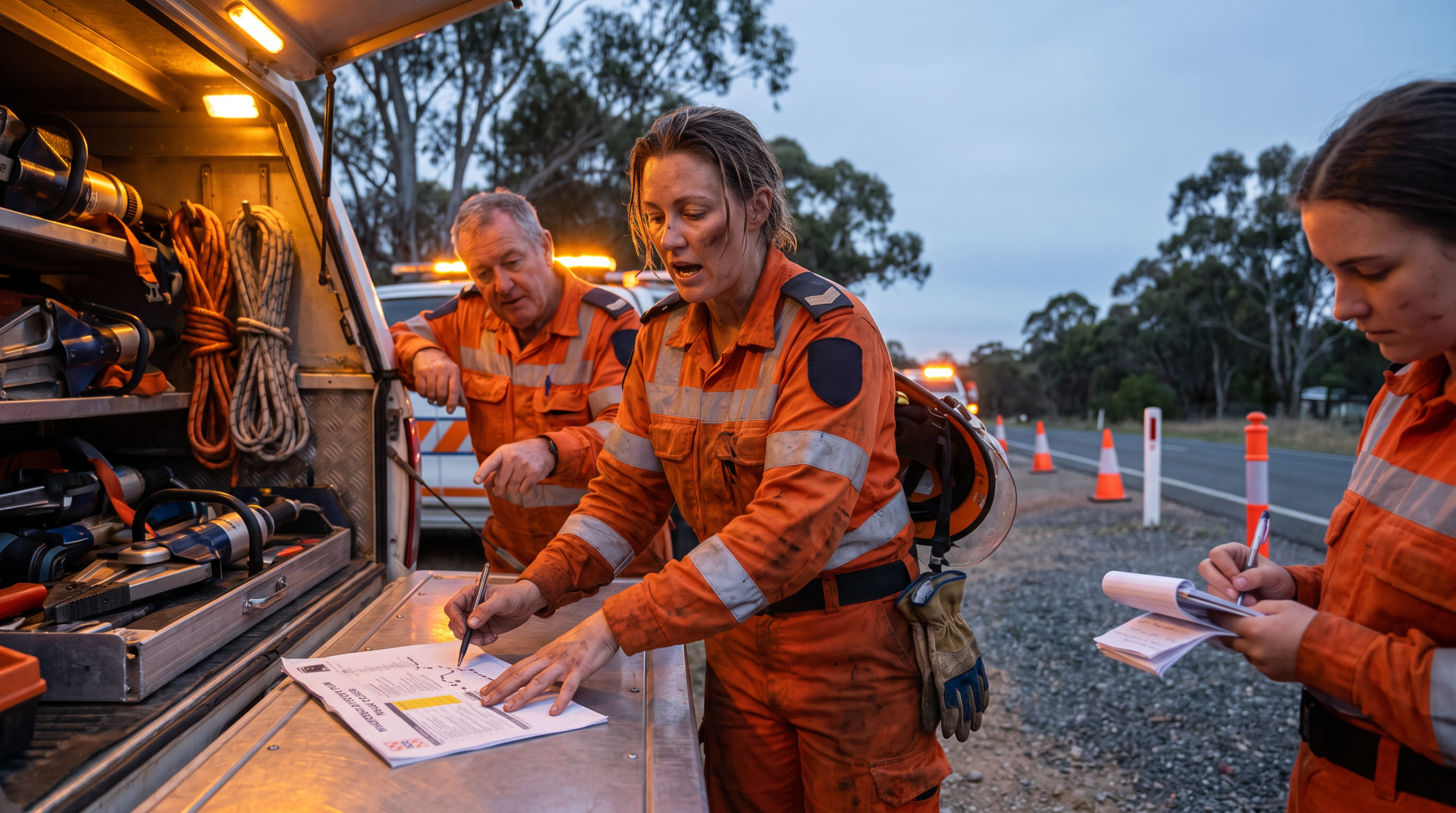
Can emergency services personnel also benefit from this qualification?
Yes, emergency services personnel possess transferable skills in crisis management, communication, and public safety that align well with correctional administration competency requirements.
What is the difference between correctional administration and security guard training?
Correctional administration focuses on management, policy implementation, and rehabilitation programs, whilst security guard training emphasises basic security procedures and immediate response protocols.
How does the CSC50122 Diploma align with Australian Qualifications Framework standards?
The CSC50122 Diploma meets AQF Level 5 requirements, providing nationally recognised qualifications that enable career progression and further education pathways according to AQF standards.
What ongoing professional development opportunities exist after qualification?
Graduates can pursue advanced diplomas, bachelor’s degrees, specialist certifications, and professional association memberships to maintain currency with evolving correctional practices and industry standards.
Ready to begin your transition from military service to correctional administration? Start your RPL assessment today and discover how your military experience can fast-track your path to a rewarding career in correctional management. Contact 3CIR now to discuss your individual circumstances and take advantage of our 25% veterans discount.
Watch Our Course Information Videos
Learn more about relevant qualifications and career pathways:
- Leadership: https://youtu.be/7k57ygLXncA
- HR: https://youtu.be/jLUKTpqOOfU
- WHS: https://youtu.be/6QHTzXlE5C0
- Security: https://youtu.be/d20nwpEot8Q
- Business: https://youtu.be/8P_VySE0zjQ
- Marketing: https://youtu.be/VdQxJKmgZfs
- Government: https://youtu.be/PV_knsJnb5E
- Project Management: https://youtu.be/kz7CyEsRNyg