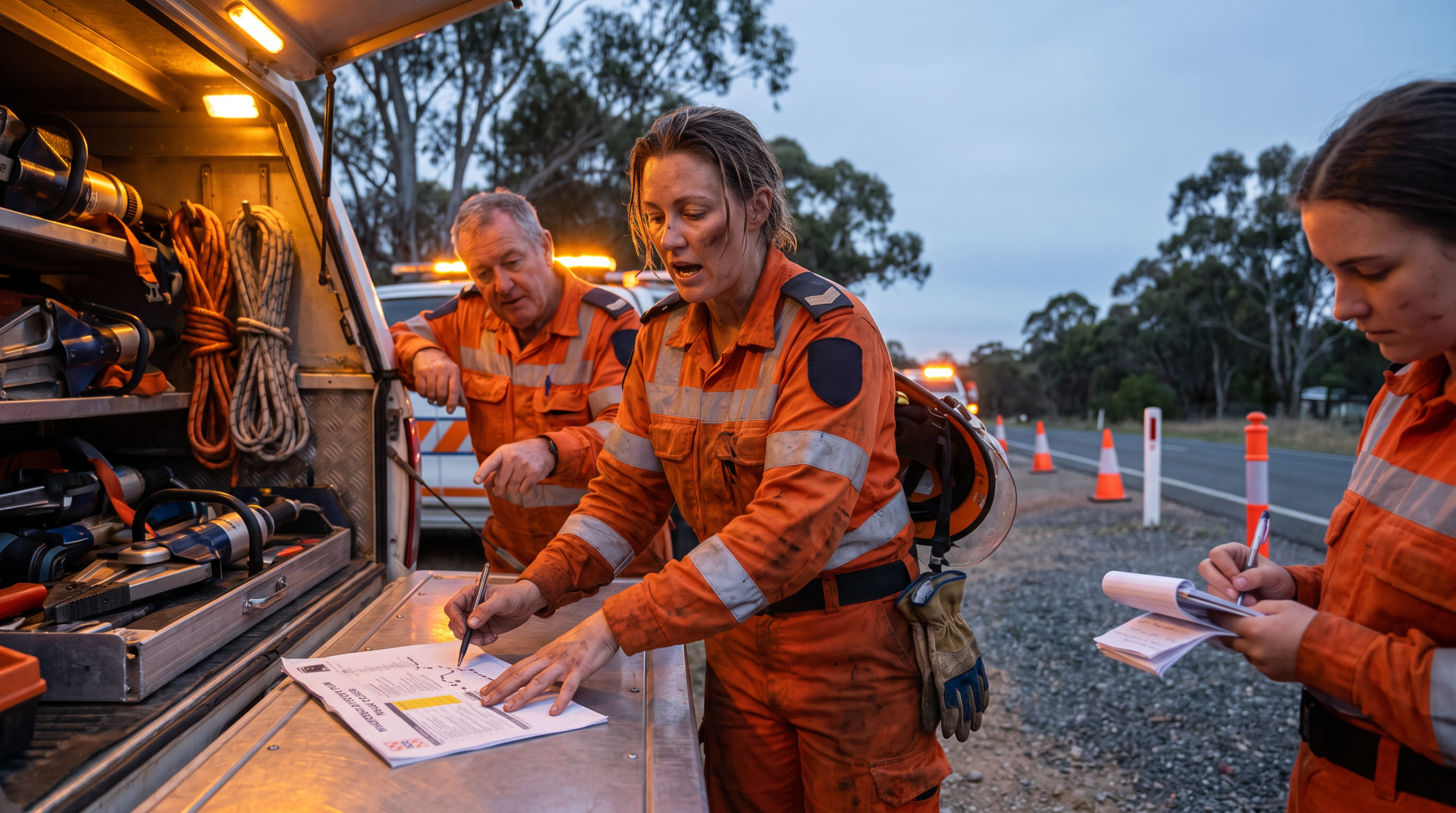

Emergency Services RPL: A Comprehensive Guide to Recognition of Prior Learning
Recognition of Prior Learning (RPL) transforms your emergency services experience into nationally recognised qualifications without traditional classroom study. This assessment process evaluates skills gained through work, training, and life experiences, crediting them towards formal credentials.
What is Recognition of Prior Learning (RPL)?
Recognition of Prior Learning is a formal assessment process within Australia’s Vocational Education and Training (VET) system that acknowledges skills, knowledge, and competencies acquired through work experience, informal training, life experiences, or previous study. Established under the Australian Qualifications Framework (AQF), RPL enables individuals to gain nationally recognised qualifications by demonstrating they possess the required competencies outlined in training packages, without completing traditional coursework. The Australian Skills Quality Authority (ASQA) regulates this process, ensuring assessment standards meet industry requirements. For emergency services personnel, RPL recognises the extensive skills developed through operational experience, leadership roles, crisis management, and specialised training undertaken throughout their careers. This pathway is particularly valuable for professionals who have accumulated significant practical experience but lack formal qualifications that reflect their expertise. The process involves comprehensive portfolio development, competency mapping, and rigorous assessment against national training standards.
How Does RPL Benefit Emergency Services Personnel?
Emergency services professionals possess unique skills developed through high-pressure situations, crisis management, team leadership, and public safety responsibilities. Recognition of Prior Learning allows years spent responding to emergencies, managing teams, and ensuring community safety to translate directly into credentials such as Certificate IV in Work Health and Safety or Diploma of Leadership and Management without redundant study.
The Australian Government’s Job Outlook (2023) projects an 8.2% increase in employment for protective service occupations, including police, fire, and ambulance services, over the next five years. This growth indicates increasing demand for qualified professionals within these fields, making RPL an invaluable tool to distinguish yourself in this competitive environment. Whether your aim is career progression within emergency services or transitioning into civilian roles, RPL provides the formal recognition your experience deserves.
Emergency services personnel develop competencies across multiple domains including risk assessment, incident command, emergency response coordination, community engagement, and regulatory compliance. These skills align directly with numerous VET qualifications, making RPL assessment a natural pathway for formal recognition.
What Qualifications Can Emergency Services Personnel Achieve Through RPL?
Your emergency services background opens doors to various nationally recognised qualifications through the RPL process. Popular options include Certificate IV in Work Health and Safety, Diploma of Leadership and Management, Certificate IV in Training and Assessment, and various business and project management qualifications.
Fire and rescue personnel often qualify for safety and emergency management credentials, whilst ambulance officers may pursue health services or leadership qualifications. Police officers frequently achieve success with security, investigation, or management qualifications. The key is matching your specific experience with appropriate training packages available through training.gov.au.
3CIR works closely with emergency services personnel to identify the most suitable qualification pathways based on individual experience and career goals. Our assessment team evaluates your background against national competency standards, ensuring optimal qualification selection for maximum career benefit. Begin your RPL journey today with a comprehensive assessment consultation.
How Does the Emergency Services RPL Process Work?
The RPL process begins with an initial consultation where experienced assessors review your emergency services background, qualifications, training records, and career objectives. This consultation identifies suitable qualification pathways and determines the most effective assessment approach for your circumstances.
Following consultation, you’ll develop a comprehensive portfolio documenting your experience, skills, and knowledge. This portfolio includes employment records, training certificates, performance reviews, project examples, and detailed work samples demonstrating competency achievement. Emergency services personnel often possess extensive documentation through training records, incident reports, and performance evaluations. Find out more about how to RPL for emergency services.
The assessment phase involves detailed evaluation of your portfolio against national competency standards. Assessors may conduct interviews, practical demonstrations, or workplace observations to verify competencies. Throughout this process, 3CIR provides ongoing support, ensuring you understand requirements and can present evidence effectively.
What Evidence Do Emergency Services Personnel Need for RPL?
Successful RPL assessment requires comprehensive evidence demonstrating competency achievement across all qualification requirements. Emergency services personnel typically possess extensive documentation supporting their experience and capabilities.
Essential evidence includes employment records showing progressive responsibility, training certificates from emergency services organisations, performance reviews highlighting achievements, incident reports demonstrating problem-solving capabilities, and examples of leadership or project management activities. Additional evidence might include witness statements from supervisors or colleagues, photographs or videos of work activities, and documentation of community engagement or public education initiatives.
3CIR assists in evidence gathering and portfolio development, ensuring your documentation meets ASQA assessment requirements. Our experienced team understands emergency services contexts and can guide effective evidence presentation for optimal assessment outcomes.
Why Choose Professional RPL Services for Emergency Services Qualifications?
Professional RPL services provide expertise, efficiency, and success optimisation for emergency services personnel seeking formal qualifications. Experienced providers understand both emergency services contexts and VET assessment requirements, ensuring comprehensive support throughout the recognition process.
Professional services offer structured approaches to portfolio development, competency mapping, and evidence presentation. They provide ongoing guidance, reducing assessment timeframes whilst maximising success probability. Additionally, professional providers maintain current knowledge of training packages, competency standards, and assessment methodologies.
3CIR specialises in emergency services RPL, combining industry expertise with assessment excellence. Our team understands the unique challenges emergency services personnel face when transitioning to formal education, providing tailored support for optimal outcomes.
Recognition of Prior Learning: Your Pathway to Formal Qualifications
Recognition of Prior Learning represents a transformative opportunity for emergency services personnel to convert extensive practical experience into nationally recognised qualifications. This assessment process acknowledges that learning occurs in various contexts, not just traditional classrooms.
The RPL framework operates under strict quality standards, ensuring assessments maintain integrity whilst recognising genuine competency achievement. For emergency services personnel, this means your crisis management skills, leadership experience, safety knowledge, and operational expertise receive formal recognition through comprehensive assessment processes.
RPL assessments evaluate competencies against national standards, ensuring qualifications achieved through recognition maintain equivalent value to traditional study pathways. This approach provides credibility for career advancement, professional development, and industry recognition. Emergency services experience often exceeds minimum competency requirements, making RPL an efficient pathway to formal qualifications. For more information, firefighter RPL qualifications.
The process involves detailed competency mapping, evidence evaluation, and rigorous assessment procedures. Professional RPL providers like 3CIR ensure assessments meet all regulatory requirements whilst recognising the full scope of your emergency services experience. Contact our assessment team to explore your qualification options.
Veterans and Emergency Services: Exclusive Recognition and Support
3CIR proudly offers a 25% discount for all current and former defence and emergency services personnel, recognising their service and commitment to community safety. This initiative reflects our understanding of the unique challenges faced by those transitioning from operational roles to civilian careers or seeking advancement within their current fields.
Our veteran-owned organisation brings firsthand understanding of military and emergency services cultures, training methodologies, and operational contexts. This experience enables us to provide tailored RPL services that truly recognise the depth and breadth of skills developed through service careers.
Emergency services personnel often possess competencies that exceed civilian equivalents due to high-stakes environments, leadership responsibilities, and continuous training requirements. Our assessment team recognises these enhanced capabilities, ensuring your qualifications reflect the true extent of your expertise.
The 25% discount applies to all RPL assessments and qualifications, making formal recognition more accessible for those who have served their communities. This support extends beyond financial assistance, encompassing comprehensive guidance throughout the assessment process and ongoing career development advice.
Frequently Asked Questions About Emergency Services RPL
How long does the RPL process take for emergency services personnel?
RPL timeframes vary depending on qualification complexity and evidence availability, typically ranging from 4-12 weeks. Emergency services personnel often possess extensive documentation, potentially accelerating the process compared to other applicants.
Can I achieve multiple qualifications through RPL as an emergency services professional?
Yes, many emergency services personnel qualify for multiple credentials through RPL. Your diverse experience across leadership, safety, training, and operational domains often supports several qualification pathways simultaneously.
What if my emergency services experience doesn’t perfectly match qualification requirements?
Professional assessors identify transferable skills and competencies, often finding alignment where individuals cannot. Emergency services experience frequently exceeds qualification requirements, even when not immediately obvious.
Do ADF personnel qualify for emergency services RPL pathways?
Absolutely. ADF experience often aligns with emergency services competencies, particularly in leadership, risk management, training, and operational contexts. Many ADF personnel successfully achieve emergency services-related qualifications through RPL.
How much does emergency services RPL cost compared to traditional study?
RPL typically costs significantly less than traditional study pathways, requiring months rather than years for completion. 3CIR offers additional 25% discounts for current and former emergency services personnel. You can check your eligibility to find out what qualifications match your experience.
Can volunteer emergency services experience contribute to RPL assessment?
Yes, volunteer experience with recognised emergency services organisations contributes valuable evidence for RPL assessment. Skills development occurs regardless of employment status, making volunteer experience highly relevant.
What happens if my RPL assessment is unsuccessful?
Unsuccessful assessments receive detailed feedback identifying competency gaps. 3CIR provides guidance on addressing shortfalls through targeted training or additional evidence gathering, supporting eventual success.
Are RPL qualifications recognised by employers and professional bodies?
RPL qualifications maintain identical recognition to traditionally achieved credentials. They appear on official transcripts and certificates without indication of assessment method, ensuring full employer and professional recognition.
Can current emergency services personnel undertake RPL whilst working?
Yes, RPL accommodates working professionals through flexible assessment arrangements. Portfolio development and evidence gathering occur around work commitments, making qualification achievement practical for serving personnel.
How does 3CIR support emergency services personnel through the RPL process?
3CIR provides comprehensive support including initial consultation, portfolio guidance, evidence review, assessment preparation, and ongoing communication throughout the process. Our veteran-owned status ensures understanding of service contexts and challenges.
Ready to transform your emergency services experience into nationally recognised qualifications? Complete your RPL assessment form today and take the first step towards formal recognition of your valuable skills and experience. With 3CIR’s expert guidance and exclusive discounts for emergency services personnel, your career advancement begins now.
Explore Our Training Resources
Enhance your understanding of key professional areas with our comprehensive video series: