
Diploma of Work Health and Safety: Is It Worth Getting?
A Diploma of Work Health and Safety opens numerous career opportunities and provides essential skills for workplace safety management. This nationally recognised qualification equips you with practical knowledge to reduce workplace injuries, ensure compliance with safety regulations, and advance your career in the growing field of occupational health and safety across Australia.
What is Work Health and Safety?
Work Health and Safety (WHS) is a multidisciplinary field concerned with the safety, health, and welfare of people engaged in work or employment. WHS encompasses the prevention of workplace incidents, hazard identification, risk assessment, and the implementation of control measures to protect workers from injury and illness. In Australia, WHS is governed by harmonised legislation across jurisdictions, establishing consistent safety standards and legal obligations for employers. The field requires qualified professionals who understand regulatory frameworks, can conduct workplace assessments, and develop comprehensive safety management systems. WHS professionals play a critical role in creating safe work environments, reducing compensation claims, and ensuring organisational compliance with legal requirements.
Why a Diploma of Work Health and Safety Adds Value to Your Workplace
Managing a workplace is more complicated than you think. This is why companies always look for work health and safety professionals. If you are considering which career to pursue, you might want to enrol in a Diploma of Work Health and Safety as it could open up a world of opportunities.
One of the significant reasons why a Diploma of Work Health and Safety is a great idea is that employers highly value it. You can expect to gain practical knowledge to considerably reduce the risk of injuries and accidents in a workspace. Besides, companies that follow WHS protocols would have an easier time attracting top talent, and it provides a safe place for employees to work. This is why you can expect long-term success when you pursue the field.
Your Diploma of Work Health and Safety qualification demonstrates your commitment to maintaining safe work environments and protecting employee welfare. Organisations increasingly recognise that investing in qualified WHS professionals reduces liability, improves productivity, and creates positive workplace cultures.
What Career Opportunities Are Available with a WHS Diploma?
Another great thing about a Diploma of Work Health and Safety is that it offers plenty of career opportunities. This means that you would have no trouble finding work. Many organisations have a simplified hiring procedure for work health and safety professionals. On top of this, you would have an easier time getting promoted and climbing the career ladder. You will find the qualification just what you need for a stress-free career.
The demand for qualified WHS professionals continues to grow across industries including construction, manufacturing, healthcare, mining, and government sectors. Career paths include WHS Officer, Safety Coordinator, Risk Management Specialist, Compliance Manager, and WHS Consultant. With experience, you could advance to senior roles such as WHS Manager or Head of Safety, commanding competitive salaries and making meaningful contributions to workplace safety culture.
Assess your existing skills today and discover how your current experience could fast-track your WHS qualification through Recognition of Prior Learning.
How Does WHS Training Help Save Lives and Prevent Accidents?
Have you always wanted to save lives and prevent accidents before they occur? You can do just that with a Work Health and Safety diploma. The program will ensure you learn the necessary skills that help keep people safe.
Your WHS diploma equips you with hazard identification techniques, incident investigation procedures, and emergency response planning capabilities. You’ll develop expertise in conducting workplace inspections, implementing safety management systems, and creating comprehensive risk assessments. These skills directly translate to preventing workplace fatalities, reducing injury rates, and protecting workers from occupational diseases.
The training emphasises proactive safety measures rather than reactive responses. You’ll learn to identify potential hazards before they cause harm, design effective control measures, and foster safety-conscious workplace cultures. This preventative approach significantly reduces the likelihood of serious injuries and workplace incidents. Find out more about how to Diploma of Work Health and Safety via RPL.
What Does the BSB51319 Diploma of Work Health and Safety Cover?
The BSB51319 Diploma of Work Health and Safety is a comprehensive nationally recognised qualification that covers all essential aspects of workplace safety management. This AQF Level 5 qualification includes core units addressing WHS legislation, risk management, incident investigation, and consultation processes.
Key learning areas include developing WHS policies and procedures, conducting workplace inspections, managing WHS information systems, and facilitating effective consultation with workers. You’ll study hazard identification and risk assessment methodologies, learn to investigate incidents and near misses, and develop skills in WHS training delivery and communication.
The curriculum aligns with current industry standards and regulatory requirements, ensuring you graduate with relevant, applicable knowledge. Practical components include workplace assessments, policy development exercises, and real-world case study analyses that prepare you for immediate employment in WHS roles.
Which Industries Benefit Most from WHS Professionals?
Every industry benefits from qualified WHS professionals, but certain sectors have particularly high demand due to inherent workplace risks. Construction, mining, manufacturing, healthcare, and transport industries actively recruit WHS specialists to manage complex safety challenges and ensure regulatory compliance.
Government agencies, educational institutions, and emergency services organisations also value WHS expertise for managing diverse workplace environments and protecting public safety. The aged care sector increasingly requires WHS professionals to address manual handling risks, infection control, and resident safety concerns.
Your WHS qualification opens opportunities across both private and public sectors, providing career flexibility and job security in an essential professional field that prioritises worker protection and organisational compliance.
How Long Does It Take to Complete a WHS Diploma?
The duration of your Diploma of Work Health and Safety depends on your study mode and prior experience. Full-time students typically complete the qualification within 12 to 18 months, while part-time study options extend the timeframe to accommodate work commitments.
Recognition of Prior Learning (RPL) can significantly reduce completion time for experienced professionals. If you have relevant work experience in safety, supervision, or risk management, you may qualify for advanced standing or unit exemptions that accelerate your studies.
Flexible delivery options include online learning, face-to-face instruction, and blended approaches that combine both methods. This flexibility allows you to balance study with existing work responsibilities while progressing towards your qualification goal.
Recognition of Prior Learning for WHS Professionals
Recognition of Prior Learning (RPL) offers an accelerated pathway to achieving your Diploma of Work Health and Safety by recognising skills and knowledge gained through work experience, training, or life experiences. Many professionals already possess substantial WHS competencies developed through workplace roles, industry experience, or informal learning opportunities.
RPL assessment involves demonstrating your existing capabilities against the qualification requirements through portfolios, interviews, workplace observations, and practical demonstrations. This process validates your current expertise while identifying any skill gaps requiring additional training. For more information, learn how RPL works.
Common backgrounds suitable for WHS RPL include supervisory roles, safety officer positions, risk management experience, emergency services work, and ADF service. Your practical experience in incident response, hazard identification, team leadership, and regulatory compliance provides strong foundations for RPL assessment.
The RPL process at 3CIR streamlines your qualification journey while maintaining rigorous assessment standards. Professional RPL assessors work with you to compile evidence portfolios that showcase your competencies and accelerate your pathway to formal qualification.
Start your RPL assessment today and discover how your existing experience translates to formal WHS qualifications.
Veterans and Emergency Services Personnel: Accelerated WHS Pathways
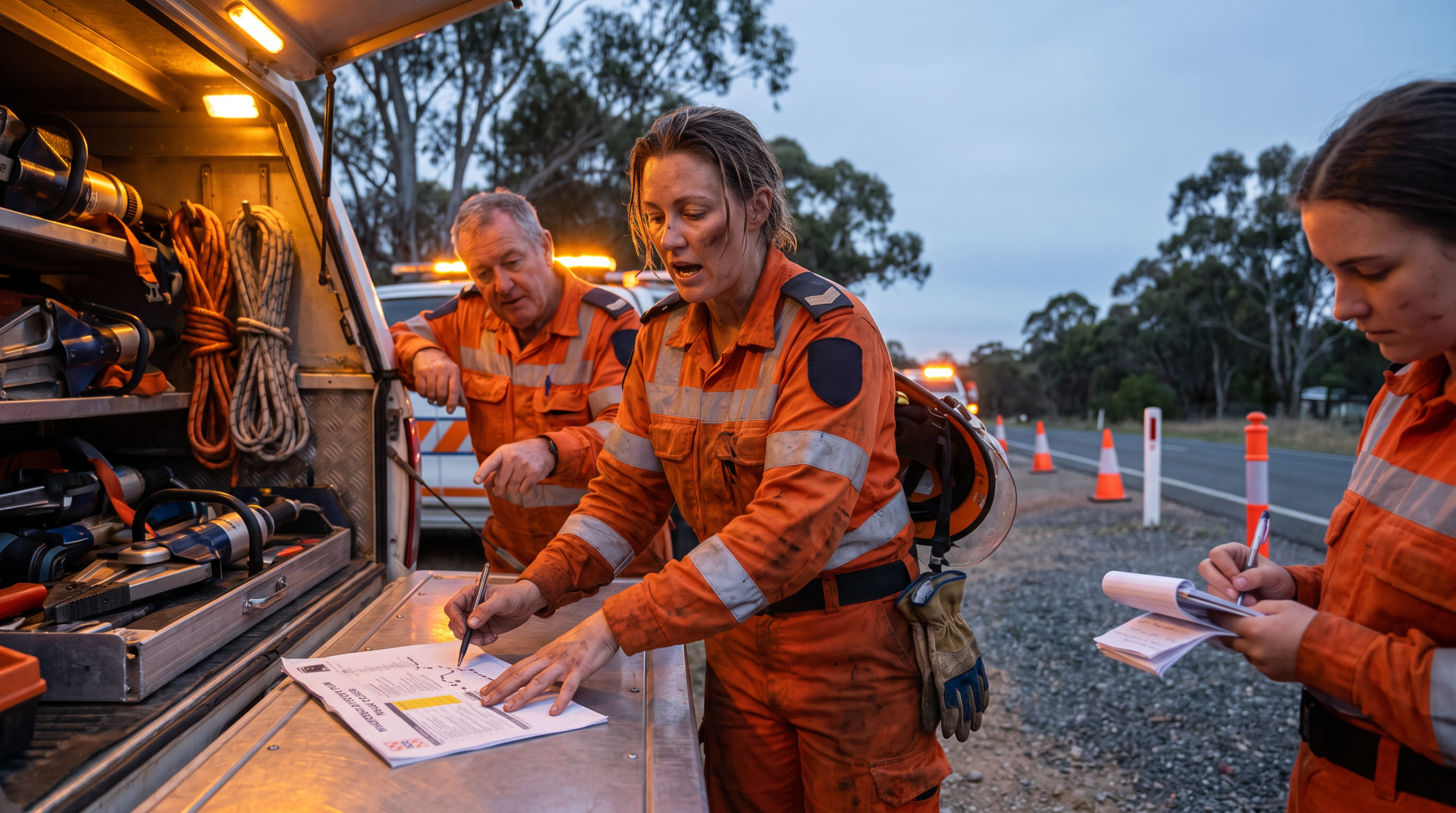
Australian Defence Force (ADF) personnel and emergency services workers possess exceptional foundations for WHS careers through their extensive training in risk management, safety protocols, and emergency response procedures. Military and emergency services experience provides direct transferable skills highly valued in civilian WHS roles.
Your service background demonstrates competencies in hazard identification, incident command, safety planning, and team leadership that align closely with WHS qualification requirements. Many veterans successfully transition to rewarding WHS careers by leveraging their operational experience through targeted training and qualification pathways.
3CIR recognises the value of military and emergency services experience by offering a 25% discount on all courses for current and former defence and emergency services personnel. This recognition reflects our commitment to supporting those who have served our community in transitioning to meaningful civilian careers.
The structured, disciplinary approach developed through service provides excellent preparation for WHS roles requiring attention to detail, regulatory compliance, and systematic risk management. Your ability to work under pressure, make critical decisions, and maintain safety standards positions you ideally for WHS leadership roles.
Consider how your service experience in areas such as workplace safety, equipment maintenance, personnel management, and emergency response directly translates to civilian WHS competencies. Your background provides significant advantages in understanding safety cultures, implementing procedures, and managing workplace risks effectively.
Frequently Asked Questions About WHS Diplomas
Is the Diploma of Work Health and Safety recognised nationally?
Yes, the BSB51319 Diploma of Work Health and Safety is a nationally recognised qualification under the Australian Qualifications Framework (AQF). This ensures your qualification is recognised across all Australian states and territories, providing career mobility and professional credibility throughout the country.
What entry requirements apply for WHS diploma enrolment?
Most RTOs require completion of Year 12 or equivalent, though mature age entry provisions allow alternative pathways through relevant work experience or prior learning. Some providers accept students with Certificate IV qualifications or substantial workplace experience in related fields.
Can I study the WHS diploma entirely online?
Yes, many RTOs offer fully online delivery options for the Diploma of Work Health and Safety. Online study provides flexibility for working professionals while maintaining rigorous assessment standards and comprehensive learning outcomes through virtual classrooms and digital resources. You can check your RPL eligibility to find out what qualifications match your experience.
What career advancement opportunities exist with a WHS diploma?
WHS diploma graduates can progress to senior safety roles, management positions, or specialised consulting careers. Further study options include Advanced Diplomas, Graduate Certificates, or university degrees in occupational health and safety for continued professional development.
How does WHS training benefit ADF personnel transitioning to civilian careers?
Military personnel possess extensive safety training, risk assessment skills, and leadership experience that directly transfer to civilian WHS roles. The structured approach learned in defence service aligns perfectly with systematic safety management requirements in civilian workplaces.
Are there specific WHS career opportunities for emergency services workers?
Emergency services personnel have exceptional foundations for WHS careers through their incident response training, hazard assessment skills, and crisis management experience. These competencies position them ideally for senior WHS roles in high-risk industries and emergency planning positions.
What industries offer the highest salaries for WHS professionals?
Mining, oil and gas, construction, and manufacturing industries typically offer the most competitive WHS salaries due to high-risk environments requiring specialised safety expertise. Government agencies and large corporations also provide attractive compensation packages for experienced WHS professionals.
Can I claim WHS training as a tax deduction?
Professional development training directly related to your current employment or career advancement may be tax deductible. Consult with qualified tax professionals or the Australian Taxation Office for specific advice regarding your individual circumstances and training expenses.
How quickly can I complete a WHS diploma through RPL?
RPL timeframes vary depending on your experience level and evidence quality, but many candidates complete assessments within 6-12 weeks. Comprehensive portfolios demonstrating extensive relevant experience can accelerate the process significantly compared to traditional study pathways.
What ongoing professional development is required for WHS careers?
WHS professionals must maintain currency through continuing professional development, attending industry updates, and staying informed about legislative changes. Professional associations and regulatory bodies provide guidance on mandatory training requirements and career development opportunities.
Ready to transform your career with a nationally recognised WHS qualification? Contact 3CIR today to explore your study options and discover how Recognition of Prior Learning can accelerate your pathway to WHS expertise. Our experienced team specialises in supporting veterans and emergency services personnel in achieving their career goals through flexible, practical training solutions.
Explore our comprehensive course information and career guidance resources: