Benefits of E-Learning for Professional Development and Upskilling
E-learning offers unparalleled flexibility, cost-effectiveness, and accessibility for professionals seeking to upskill and advance their careers through online education platforms.
What is E-Learning?
E-learning, also known as electronic learning or online learning, refers to the delivery of educational content and training through digital platforms and internet-based technologies. This educational approach utilises computers, tablets, smartphones, and other electronic devices to provide interactive learning experiences outside traditional classroom environments. E-learning encompasses various formats including video lectures, interactive modules, virtual classrooms, webinars, and digital assessments. The method has revolutionised education by making knowledge accessible to learners regardless of their geographical location or time constraints. In the Australian VET sector, e-learning has become increasingly important for delivering nationally recognised qualifications and supporting Recognition of Prior Learning (RPL) processes. This educational delivery method supports both synchronous learning (real-time interaction) and asynchronous learning (self-paced study), making it particularly suitable for working professionals, ADF personnel, and emergency services workers seeking to enhance their qualifications whilst maintaining their career commitments.
Why E-Learning Has Transformed Professional Development
With the continuing advanced technological evolution people are experiencing now, the internet has played a significant role in opening hundreds of possibilities for people to utilise various tools in information technology for their own benefit. Given the fact that the internet has provided a wide array and amount of information, it is inevitable for the education industry to use such platforms in order to reach and educate more people with the use of the internet.
Therefore, e-learning has gained popularity among people who intend to upskill their education mainly because of the transformative benefits it offers to modern learners. The vocational education landscape has evolved dramatically, with RTOs across Australia embracing digital delivery methods to meet the diverse needs of their students.
Ready to explore how e-learning can advance your career? Start your RPL assessment today and discover your pathway to recognised qualifications.
How Does Convenience Make E-Learning Superior?
Not all learners have the privilege of time to attend regular classes for reasons like domestic responsibilities or official duties. Therefore, what they really need is an education that will be able to cater for their needs when it comes to availability of schedule.
This is where e-learning excels. Learners can now have their lessons at a pace that suits them and wherever they are! With multi-device capabilities, this freedom has never been more accessible or convenient than it currently stands for those interested in learning on an online basis through various devices including laptops, PCs, smartphones, tablets, and more.
The ability to learn from anywhere with just one click away provides far more options when considering what type of education best suits your needs—whether slow-moving tempo or fast-moving—thereby making sure no time slips by without being fully engaged. Some people prefer to have their lessons in between work, or during commute before or after work in order to make use of every spare time they have.
For working professionals juggling multiple commitments, this flexibility proves invaluable. You can access course materials during lunch breaks, complete assessments on weekends, or review content whilst travelling for work.
What Makes E-Learning More Affordable Than Traditional Education?
With only a simpler platform and fewer resources employed in e-learning, costs are significantly lower compared to expenses in traditional classroom-based education. This affordability factor makes professional development accessible to a broader range of learners who might otherwise be unable to invest in their career advancement.
E-learning eliminates many overhead costs associated with physical campuses, including facility maintenance, utilities, and on-site resources. These savings are passed on to students through more competitive course fees. Additionally, learners save money on travel, accommodation, and time away from work that traditional face-to-face training often requires.
The cost-effectiveness extends beyond tuition fees. Digital resources can be updated quickly and distributed instantly, ensuring you receive the most current industry knowledge without additional printing or material costs. This efficiency makes professional qualifications more accessible to those seeking career advancement.
How Does E-Learning Provide Personalised Learning Experiences?
One of the most significant advantages of e-learning is its ability to accommodate different learning styles and paces. Unlike traditional classroom settings where all students must follow the same timeline, online learning platforms allow you to progress according to your individual needs and capabilities. Find out more about how to learn about Recognition of Prior Learning.
Visual learners benefit from interactive diagrams, infographics, and video content, while auditory learners can access podcasts and recorded lectures. Kinesthetic learners engage with interactive simulations and virtual labs that provide hands-on experience without physical constraints.
The self-paced nature of e-learning means you can spend additional time on challenging concepts whilst moving quickly through familiar material. This personalisation ensures better comprehension and retention of information, leading to more successful learning outcomes.
Advanced learning management systems track your progress and provide detailed analytics, helping identify areas requiring additional focus. This data-driven approach to education ensures no learning gaps are left unaddressed.
What Role Does Technology Play in Modern E-Learning?
Modern e-learning leverages cutting-edge technology to create immersive and engaging educational experiences. Virtual reality (VR) and augmented reality (AR) technologies are increasingly being integrated into vocational training, providing realistic workplace simulations without associated risks or costs.
Artificial intelligence (AI) powers adaptive learning systems that adjust content difficulty based on your performance, ensuring optimal challenge levels throughout your studies. Machine learning algorithms analyse learning patterns to recommend additional resources and predict potential difficulties before they become obstacles.
Cloud-based platforms ensure your educational content is always accessible and up-to-date. Automatic synchronisation across devices means you can start a lesson on your laptop and continue on your smartphone without losing progress.
Interactive features such as discussion forums, virtual breakout rooms, and collaborative projects maintain the social aspect of learning that many associate with traditional classroom environments. These technologies bridge the gap between online and face-to-face education.
Why Is E-Learning Ideal for Career Advancement?
E-learning platforms offer extensive course catalogues covering virtually every industry and skill level. This breadth of options allows you to pursue multiple qualifications or specialisations without the geographical limitations of traditional education providers.
The flexibility of online learning means you can upskill while maintaining your current employment, avoiding career interruptions that traditional study might require. Many courses are designed specifically for working professionals, with schedules that accommodate typical work patterns.
Industry-relevant content is updated more frequently in digital formats, ensuring your skills remain current with market demands. This immediacy is particularly important in rapidly evolving fields such as technology, healthcare, and business management.
Digital credentials and certificates are increasingly recognised by employers worldwide. Many online courses provide internationally recognised qualifications that enhance your professional profile and career prospects.
Recognition of Prior Learning (RPL) Through E-Learning Platforms
Recognition of Prior Learning represents a significant opportunity for experienced professionals to gain formal qualifications based on their existing knowledge and skills. E-learning platforms have revolutionised the RPL process by making it more accessible and efficient for candidates across Australia. For more information, RPL qualifications available.
The Australian training.gov.au website provides comprehensive information about nationally recognised qualifications available through RPL processes. This government resource ensures you understand the standards required for your chosen qualification pathway.
Digital RPL assessments can be completed remotely, allowing you to demonstrate your competencies through online portfolios, video demonstrations, and virtual interviews. This approach eliminates geographical barriers and reduces the time required to complete your assessment.
E-learning platforms provide comprehensive support materials to help you prepare for RPL assessments. These resources include competency mapping tools, evidence collection guidelines, and practice assessments that increase your chances of successful recognition.
The streamlined digital process means faster turnaround times for RPL decisions, allowing you to progress your career more quickly. Once your prior learning is recognised, you can focus on filling any identified knowledge gaps through targeted online learning modules.
Ready to have your experience recognised? Submit your RPL application and take the first step towards formal qualification.
Veterans and Emergency Services Personnel: 25% Discount Available
At 3CIR, we recognise the valuable skills and experience that current and former Australian Defence Force (ADF) personnel and emergency services workers bring to civilian careers. That’s why we offer a 25% discount on all our courses and RPL assessments for these dedicated professionals.
ADF personnel possess extensive training and practical experience that often exceeds civilian qualification requirements. Our specialised RPL services for defence personnel help translate military experience into recognised civilian qualifications, opening doors to new career opportunities.
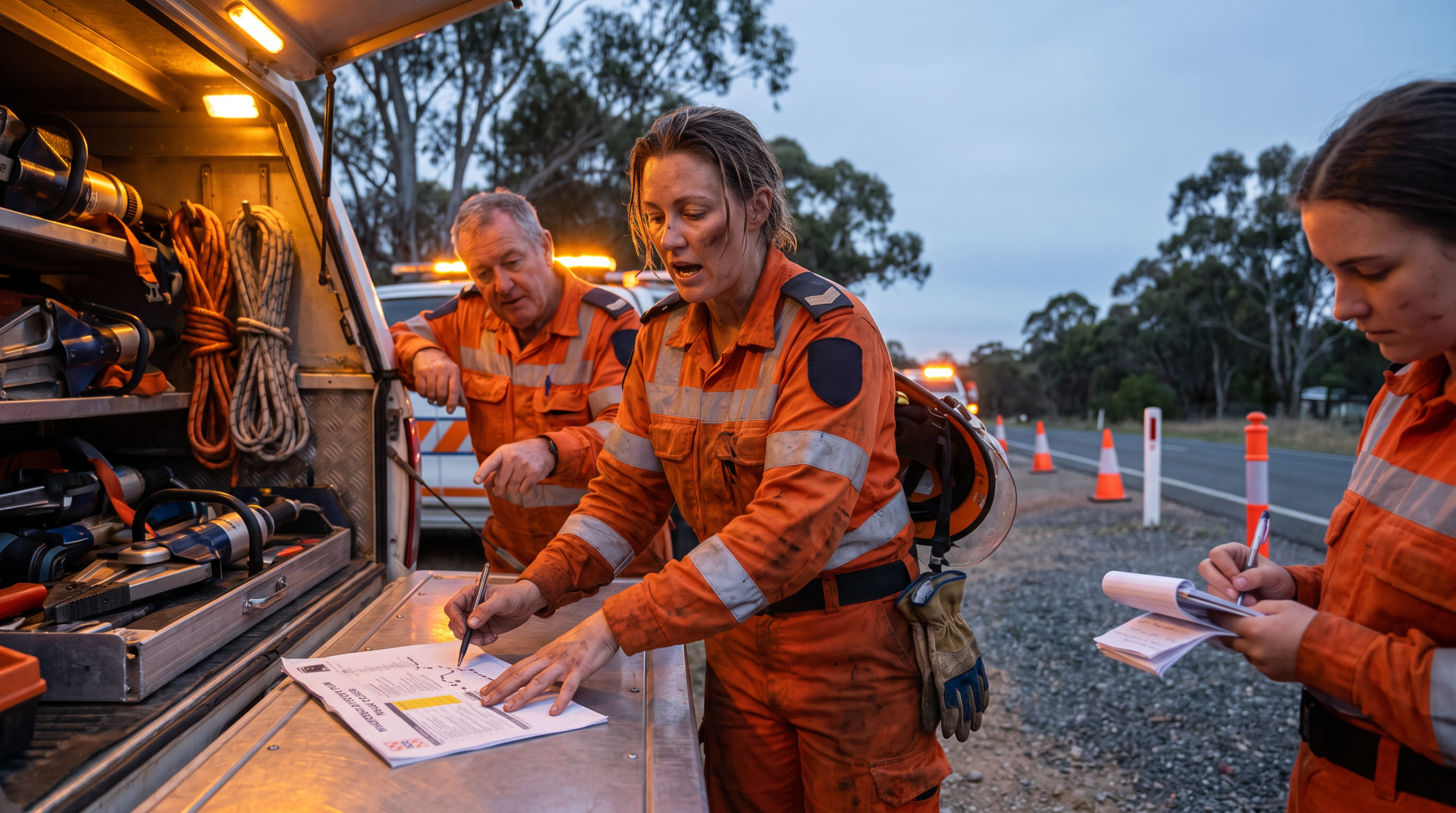
Emergency services workers—including police, firefighters, paramedics, and SES volunteers—have developed critical skills in leadership, crisis management, and public safety. These competencies are highly valued in civilian industries and can be formally recognised through our RPL process.
The transition from military or emergency services to civilian employment can be challenging. Our e-learning platform provides the flexibility needed to upskill while managing the transition process. You can study at your own pace, fitting education around family commitments and job searching activities.
Our veteran-friendly approach includes dedicated support staff who understand the unique challenges faced by military and emergency services personnel. We provide personalised guidance throughout your qualification journey, ensuring you maximise the value of your existing experience.
The Australian Qualifications Framework provides clear pathways for recognising military and emergency services training. Our expertise in AQF standards ensures your qualifications are properly recognised and transferable across industries.
Take advantage of your 25% discount today. Start your qualification journey now and leverage your valuable experience for career advancement. You can start your free assessment to find out what qualifications match your experience.
Frequently Asked Questions About E-Learning Benefits
How effective is e-learning compared to traditional classroom training?
E-learning can be equally or more effective than traditional training when properly designed and delivered. Research shows that online learning often results in better retention rates due to self-paced progression and interactive content. The key is choosing quality courses from reputable RTOs that provide comprehensive support and assessment.
What technical requirements do I need for successful e-learning?
Most e-learning platforms require only basic technology: a computer or tablet with internet access, updated web browser, and basic software like PDF readers. Many courses are mobile-friendly, allowing learning on smartphones. Technical support is typically available to help resolve any access issues you may encounter.
Can ADF personnel use e-learning for career transition preparation?
Absolutely. E-learning provides excellent preparation for ADF personnel transitioning to civilian careers. Online courses allow you to study while still serving, and RPL processes can formally recognise your military training. Many veterans successfully use e-learning to bridge skill gaps and gain civilian-recognised qualifications.
How do employers view online qualifications from Australian RTOs?
Qualifications from registered Australian RTOs are nationally recognised and hold the same value as those delivered face-to-face. Employers increasingly value online learning as it demonstrates self-motivation, digital literacy, and time management skills. The key is ensuring your RTO is ASQA-registered and delivers AQF-aligned qualifications.
What support is available for emergency services personnel seeking online qualifications?
Emergency services personnel receive dedicated support including flexible scheduling around shift work, recognition of prior learning from emergency services training, and specialised pathways for common career transitions. Many RTOs offer 24/7 access to materials and extended support hours to accommodate irregular work schedules.
How long does it typically take to complete an online vocational qualification?
Completion times vary significantly based on qualification level, prior experience, and study time availability. Certificate III qualifications typically take 6-12 months part-time, while Diploma-level courses may require 12-18 months. RPL processes can significantly reduce these timeframes by recognising existing competencies.
Is financial assistance available for online vocational education?
Yes, various funding options exist including VET Student Loans for eligible courses, employer funding, and industry-specific scholarships. Veterans may access additional support through DVA programs. Many RTOs offer payment plans to make qualifications more affordable, and some provide discounts for early payment or multiple course enrolments.
How do online assessments work for practical vocational skills?
Online RTOs use various assessment methods including video demonstrations, virtual simulations, workplace-based assessments, and supervised practical sessions. Some courses combine online theory with face-to-face practical components. RPL candidates can submit portfolios of evidence demonstrating their practical competencies in real work environments.
What happens if I need additional help during my online studies?
Reputable RTOs provide comprehensive student support including academic advisors, technical help desks, and peer discussion forums. Many offer phone and email support, virtual tutoring sessions, and additional learning resources. Some provide mentoring programs specifically for career changers and mature-age learners requiring extra guidance.
Can I transfer credits between different online courses or RTOs?
Yes, credit transfers are possible between RTOs for equivalent qualifications under the AQF system. Units of competency completed at one RTO can often be recognised by another, reducing duplication and study time. This flexibility allows you to combine qualifications from different providers or upgrade from lower to higher-level qualifications efficiently.
Ready to experience the benefits of flexible, professional e-learning? Contact 3CIR today to discuss how our online qualifications and RPL services can advance your career while fitting around your lifestyle and commitments.