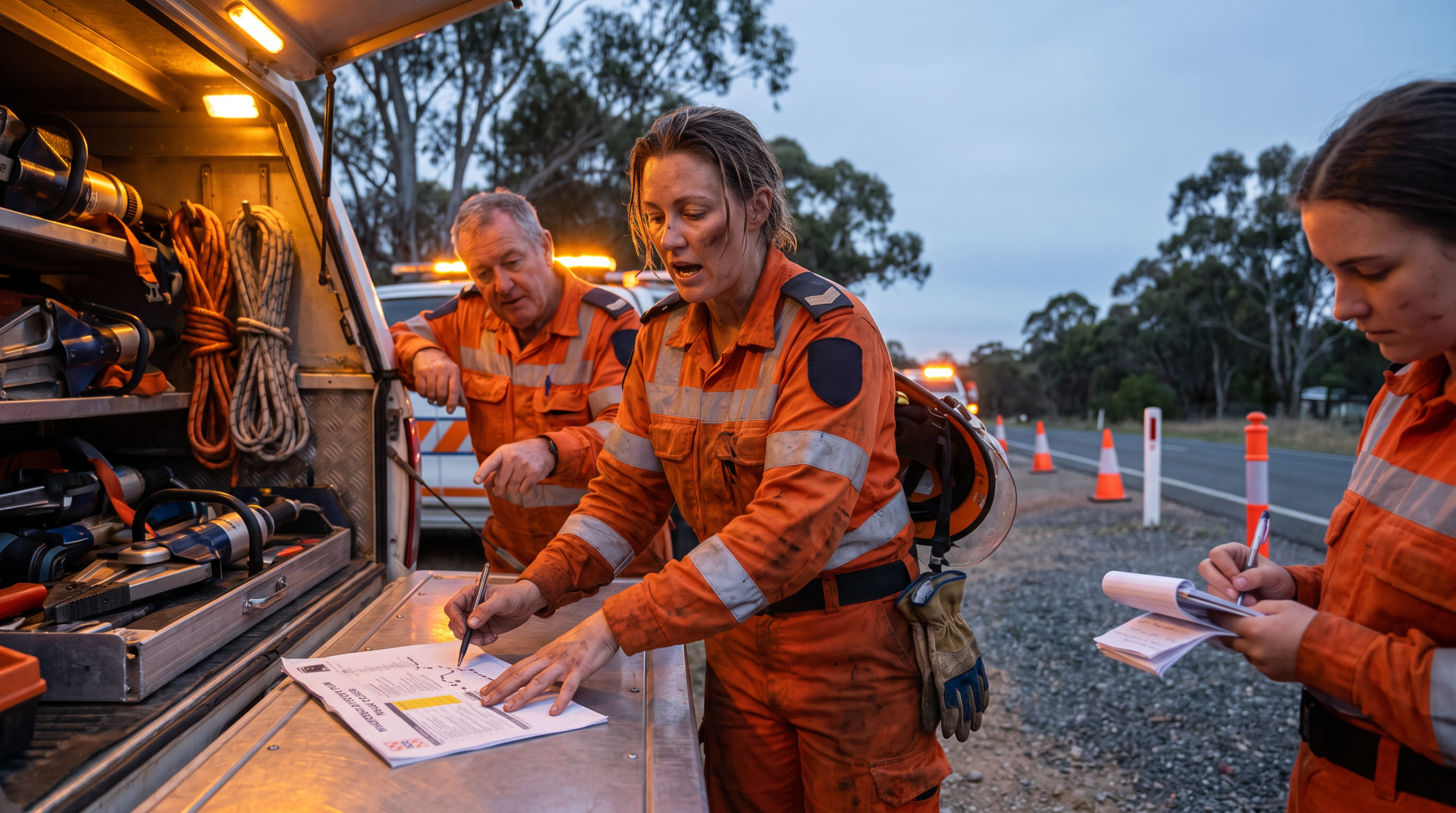

Are You Thinking of a Military Course Via RPL? Find Out All About Them Here
Recognition of Prior Learning (RPL) evaluates military experience against formal qualifications, enabling ADF personnel to gain recognised credentials. Military courses via RPL provide a streamlined pathway for current and former service members to obtain nationally recognised qualifications that validate their extensive training and operational experience.
Recognition of Prior Learning (RPL) – Definition
Recognition of Prior Learning (RPL) is a formal assessment process within the Australian Vocational Education and Training (VET) system that evaluates an individual’s existing skills, knowledge and experience against the requirements of nationally recognised qualifications. Administered by Registered Training Organisations (RTOs) under Australian Skills Quality Authority (ASQA) guidelines, RPL enables learners to receive formal recognition for competencies acquired through work experience, military service, volunteer activities, or informal learning. This process is particularly valuable for Australian Defence Force (ADF) personnel who possess extensive practical skills that align with civilian qualifications. The RPL framework operates under the Australian Qualifications Framework (AQF), ensuring consistency and quality across all assessment outcomes. Through comprehensive evidence portfolios and practical demonstrations, candidates can achieve full or partial qualifications without repeating training they have already mastered through their military service.
Understanding Military RPL Assessment Processes
Recognition of Prior Learning (RPL) is the process that evaluates knowledge and skills gained outside formal training and education. That said, it can be a good way to get started with military courses to help you transition back to civilian life and secure a job you can excel at. RPL also acknowledges life achievements and contributions during service against a set of standards related to learning outcomes.
Reputable organisations can connect you with established learning institutions that offer versatile RPL courses to former and current military members, including the Air Force, Navy, and Army. The assessment process involves mapping your military experience against specific unit standards within nationally recognised qualifications.
Your military training encompasses diverse competencies spanning leadership, logistics, communications, security, and technical operations. These competencies often exceed civilian equivalent training in depth and practical application. Through RPL assessment, you can demonstrate how your service experience meets the performance criteria for various qualifications across multiple industry sectors.
Start your RPL assessment today to discover which qualifications match your military background.
How Do Military Qualifications Translate to Civilian Careers?
There’s never been a better time to retire from service! You can now learn RPL military courses at home and reduce your worries about finding employment as a veteran. Complete the form with sufficient relevant documentation, then sit back whilst professional assessors evaluate your extensive military experience.
Military qualifications translate exceptionally well to civilian careers across numerous sectors. Your leadership experience as a Sergeant or Officer correlates directly with management qualifications in business and government sectors. Technical trades including mechanics, electronics, communications, and engineering have clear pathways to civilian recognition through training packages available on training.gov.au.
Security clearance experience translates to security management qualifications, whilst logistics and supply chain management experience aligns with warehouse operations and transport qualifications. Administrative and human resources experience gained through military service provides foundation competencies for business administration and management qualifications.
What Documentation Is Required for Military RPL Applications?
Successful RPL applications require comprehensive evidence portfolios demonstrating your competency against specific performance criteria. Essential documentation includes your military service records, training certificates, position descriptions, and detailed statements of duties performed throughout your service career.
Contemporary evidence such as work samples, photographs of projects completed, witness testimonials from supervisors or colleagues, and continuing professional development records strengthen your application significantly. Performance reports, commendations, and specialist course certificates provide additional evidence of competency achievement.
Third-party verification from current or former supervisors, subordinates, or peers can validate your practical application of skills in real-world military contexts. Letters of support should detail specific competencies observed and provide context for your experience level and responsibility scope.
Professional portfolios demonstrating project management, training delivery, budget management, or technical problem-solving showcase higher-level competencies essential for advanced qualifications. The quality and comprehensiveness of your evidence portfolio directly influences assessment outcomes and potential qualification levels achievable.
Which Industries Value Military Experience Most Highly?
Security and defence contracting industries actively seek veterans with clearance eligibility and operational experience. Government departments value military experience for project management, logistics coordination, emergency management, and policy implementation roles. These sectors recognise the leadership, discipline, and problem-solving capabilities developed through military service.
Construction and mining industries appreciate military safety culture, teamwork, and technical competencies. Healthcare and emergency services value military medical training, crisis management experience, and ability to operate under pressure. Transport and logistics companies recognise supply chain management, vehicle operation, and coordination skills developed through military logistics operations.
Information technology and cybersecurity sectors increasingly value military communications, signals intelligence, and security experience. Training and education providers seek veterans with instructional design, assessment, and adult learning competencies gained through military training roles.
How Long Does the Military RPL Process Take?
The RPL process duration varies depending on qualification complexity, evidence quality, and your responsiveness during the assessment phase. Initial evidence review typically occurs within two weeks of submission, with preliminary feedback provided regarding evidence gaps or additional requirements.
Comprehensive assessments involving multiple qualifications or complex competency mapping may require four to eight weeks for thorough evaluation. Simple trade qualifications with clear military equivalents often process more rapidly, particularly when comprehensive evidence portfolios are submitted initially.
After the RPL assessment, if your evidence meets performance criteria, you will be advised which qualifications are available. Professional assessors work collaboratively with candidates throughout the process, ensuring transparent communication and reasonable timeframes that accommodate military service commitments.
What Support Services Are Available During RPL Assessment?
Comprehensive support services ensure military personnel navigate the RPL process successfully. Dedicated case managers provide personalised guidance throughout the assessment journey, from initial consultation through qualification completion. These professionals understand military terminology, organisational structures, and operational contexts essential for effective evidence mapping.
Evidence development workshops help candidates identify relevant competencies within their military experience and develop compelling portfolios that clearly demonstrate competency achievement. Technical writing support assists with documentation preparation, ensuring evidence submissions meet assessment criteria and industry standards.
Interview preparation and practical demonstration coaching prepare candidates for assessment activities requiring real-time competency demonstration. Ongoing communication ensures candidates remain informed about progress, requirements, and outcomes throughout the assessment process.
Recognition of Prior Learning for Military Personnel
RPL assessment for military personnel requires specialised understanding of Defence Force training systems, operational environments, and competency development pathways. Military experience encompasses unique contexts rarely encountered in civilian training, necessitating assessors with comprehensive knowledge of both military and civilian competency frameworks. For more information, qualifications for veterans.
ADF training packages often exceed civilian equivalent qualifications in scope, depth, and practical application. Military personnel frequently possess advanced competencies developed through operational deployments, emergency response situations, and leadership responsibilities that civilian training rarely addresses comprehensively.
The RPL process recognises informal learning achieved through mentoring relationships, peer learning, self-directed professional development, and adaptive problem-solving in dynamic operational environments. These competencies, whilst difficult to document formally, represent significant professional development achievements worthy of formal recognition.
Assessment methodologies accommodate military-specific contexts whilst ensuring compliance with ASQA standards for VET quality assurance. Professional assessors understand military culture, communication styles, and operational priorities essential for effective assessment outcomes.
Begin your military RPL journey with Australia’s specialist provider for Defence Force personnel.
Veterans Support and Exclusive Benefits
3CIR proudly supports Australia’s veteran community through specialised RPL services designed specifically for current and former Defence Force personnel. Our veteran-owned organisation understands the unique challenges faced during military-to-civilian transition and provides comprehensive support throughout the qualification process.
All current and former defence and emergency services personnel receive a 25% discount on RPL assessment fees, recognising your service contribution and supporting your transition to civilian careers. This significant saving makes quality vocational education more accessible for those who have served our nation.
Veteran support extends beyond financial benefits to include peer mentoring, career transition guidance, and ongoing professional development opportunities. Our team includes former ADF personnel who understand military culture, competency frameworks, and civilian employment markets.
Priority processing ensures veteran applications receive expedited attention, reducing waiting times and enabling faster transition to civilian employment or further education. Dedicated veteran support officers provide personalised assistance throughout the assessment process, ensuring optimal outcomes for your qualification journey.
Partnership arrangements with veteran employment agencies, government transition services, and civilian employers create pathways from qualification completion to meaningful employment opportunities. These connections leverage your military experience and newly recognised qualifications for career success.
Frequently Asked Questions
What qualifications can I achieve through military RPL assessment?
Military RPL can lead to qualifications across numerous sectors including business, security, logistics, trades, information technology, project management, and leadership. Specific qualifications depend on your military trade, rank, and experience level throughout your service career.
How does ADF experience translate to civilian qualifications?
ADF experience translates to civilian qualifications through competency mapping processes that align military training, operational experience, and leadership responsibilities with nationally recognised qualification requirements. Most military trades have direct civilian equivalents recognised through RPL assessment.
Can I complete RPL assessment whilst still serving?
Yes, you can complete RPL assessment whilst serving. Online assessment processes accommodate military commitments, deployment schedules, and operational requirements. Early assessment enables career planning and smoother transition when you choose to leave service.
What evidence do I need for successful military RPL assessment?
Successful assessment requires service records, training certificates, position descriptions, performance reports, work samples, and witness statements. Contemporary evidence demonstrating ongoing competency application strengthens your portfolio and improves assessment outcomes significantly.
How much does military RPL assessment cost?
RPL assessment costs vary by qualification complexity and evidence requirements. Current and former defence and emergency services personnel receive 25% discount on all assessment fees, making quality vocational education more affordable for our veteran community.
Which emergency services experience qualifies for RPL assessment?
Emergency services experience including police, ambulance, fire and rescue, and emergency management qualifies for RPL assessment. These roles develop competencies in crisis management, public safety, communication, and leadership that align with numerous civilian qualifications.
Can Navy technical training lead to trade qualifications?
Navy technical training in engineering, electronics, communications, and mechanical trades directly correlates with civilian trade qualifications. Naval technical competencies often exceed civilian training requirements, enabling advanced qualification achievement through comprehensive RPL assessment.
How long does military RPL assessment take to complete?
Assessment duration varies from two to eight weeks depending on qualification complexity, evidence quality, and responsiveness during the assessment process. Military personnel receive priority processing to accommodate service commitments and transition timelines.
What support is available during the RPL process?
Comprehensive support includes dedicated case management, evidence development assistance, technical writing support, interview preparation, and ongoing communication throughout the assessment journey. Veteran-specific support addresses military-to-civilian transition challenges effectively.
Are there online options for military RPL assessment?
Yes, comprehensive online assessment options accommodate military personnel regardless of location or deployment status. Digital evidence submission, virtual interviews, and remote practical demonstrations enable assessment completion from anywhere with internet connectivity.
Ready to transform your military experience into recognised qualifications? Contact 3CIR today to begin your RPL assessment journey. Our veteran-owned organisation understands your unique background and provides the specialised support you deserve. Take advantage of our 25% veteran discount and start building your civilian career foundation today.