Veterans & Start-ups: Why Defence Personnel Excel in Entrepreneurial Environments
Veterans transitioning to start-ups bring invaluable skills including innovation, resourcefulness, and leadership under pressure. Defence members possess exactly the traits successful start-ups need, making them ideal candidates for entrepreneurial environments that mirror operational deployments.
What Are Start-ups in the Australian Business Context?
Start-ups are newly established businesses designed to search for repeatable and scalable business models, typically characterised by rapid growth potential and innovative solutions. In Australia, start-ups often emerge from government-supported innovation hubs and incubators, forming part of the broader entrepreneurial ecosystem that includes accelerators, venture capital firms, and research institutions. These organisations typically operate with limited initial capital, small teams, and high uncertainty, requiring employees who can adapt quickly, work autonomously, and contribute across multiple business functions. The Australian start-up landscape has grown significantly, supported by government initiatives promoting innovation and digital transformation across various industries including technology, healthcare, and defence-related sectors.
Defence members transitioning to civilian employment has become a significant focus in recent years, largely due to new government initiatives announced supporting this transition, as well as excellent work being done by organisations such as With You With Me. Many great articles and blogs have already been written in this area – not only aimed at assisting veterans in understanding the transition process and what civilian employers expect of them but also targeted at civilian employers to help them understand the valuable capabilities a veteran brings to the workplace.
One area that hasn’t received much attention is veterans transitioning to start-ups. This oversight is surprising for several reasons. Firstly, because of the government’s focus on innovation and the concept of the “ideas boom,” but more importantly, because Defence members are taught to be innovative, resourceful and hard-working – exactly the traits a successful start-up needs.
If you’re a transitioning veteran considering your career options, start-ups represent an exciting opportunity to apply your military skills in a dynamic civilian environment. Discover how your military experience can be formally recognised through our RPL assessment to boost your credentials in the competitive start-up sector.
Why Should Veterans Consider Start-up Opportunities?
To address this knowledge gap, here are some similarities and differences between Defence life and working in a start-up to help transitioning veterans determine if this entrepreneurial path aligns with their career goals. This analysis may also highlight to start-up founders the key skills and attributes that veterans bring that could help their new business succeed.
Veterans possess unique capabilities developed through military service that directly translate to start-up environments. Your experience in high-pressure situations, ability to work with limited resources, and natural leadership qualities make you an invaluable asset to emerging businesses seeking competitive advantages.
How Does Operational Deployment Compare to Start-up Life?
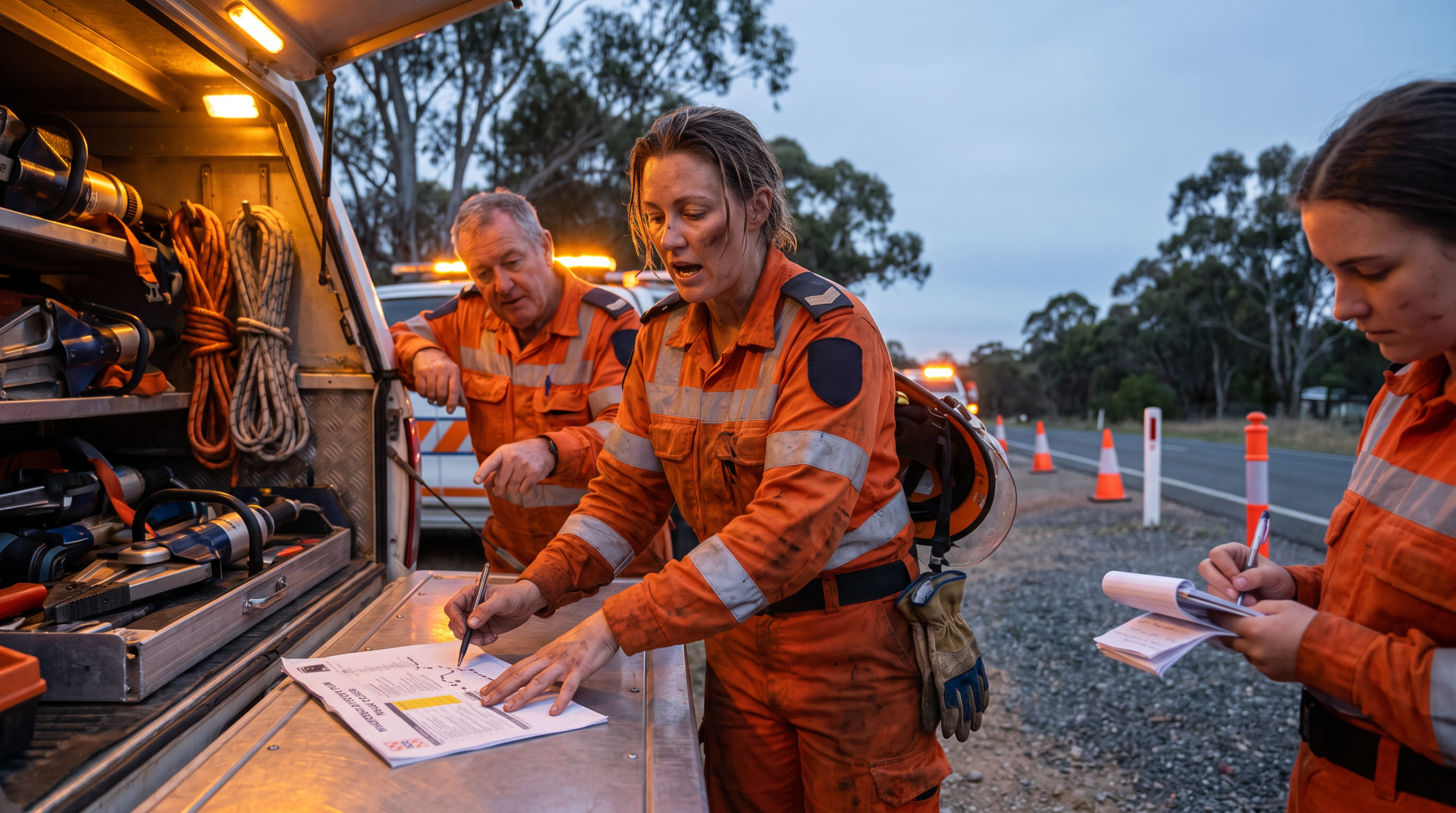
If you ask Defence members about their best experience, many would reply that it was during operational deployment. This may seem paradoxical, as during this time they would often have been working extremely long hours under enormous pressure. However, most veterans thrive in this environment – working as part of a tight-knit team on something meaningful with a clear mission and purpose.
Start-ups offer remarkably similar conditions. You’ll typically work long hours alongside a small, dedicated team focused on achieving specific objectives. The pressure is intense, resources are often limited, and success depends on everyone pulling their weight. Like operational deployments, start-up environments reward innovation, quick thinking, and the ability to adapt when circumstances change rapidly.
The mission-driven culture common in start-ups mirrors military operations where every team member understands their role in achieving broader objectives. Your experience operating under pressure whilst maintaining focus on strategic goals makes you particularly valuable in start-up environments where pivoting quickly can determine success or failure.
What Leadership Skills Do Veterans Bring to Start-ups?
Military leadership training provides veterans with exceptional capabilities that start-ups desperately need. Your experience leading teams under pressure, making decisions with incomplete information, and maintaining morale during challenging periods directly translates to start-up leadership requirements.
Start-ups often lack established hierarchies and formal management structures, creating opportunities for natural leaders to emerge and drive initiatives. Your ability to take ownership, delegate effectively, and inspire confidence in uncertain situations makes you ideal for senior roles within growing organisations.
The collaborative leadership style developed through military service – where you lead from the front whilst empowering team members – aligns perfectly with modern start-up culture. Your understanding of how individual contributions impact overall mission success helps create accountable, high-performing teams essential for start-up growth. Find out more about how to military RPL pathways.
How Do Resource Constraints in Military and Start-ups Compare?
Military operations frequently involve making the most of limited resources, finding creative solutions when standard equipment isn’t available, and achieving objectives despite logistical challenges. These skills prove invaluable in start-up environments where funding is tight, tools are basic, and creative problem-solving determines success.
Your experience managing budgets, maximising efficiency, and delivering results within constraints directly applies to start-up operations. The military emphasis on “doing more with less” perfectly matches start-up culture where resourcefulness often matters more than large budgets.
Veterans understand how to prioritise effectively when everything seems urgent, allocate limited resources for maximum impact, and maintain operational effectiveness despite constraints. These capabilities help start-ups stretch funding further and achieve milestones that attract additional investment.
What Makes Veterans Natural Problem-solvers in Start-up Environments?
Military training develops systematic approaches to problem-solving that prove highly effective in start-up contexts. Your ability to assess situations quickly, identify critical factors, and implement solutions under pressure helps start-ups navigate the constant challenges of building new businesses.
The military emphasis on contingency planning and risk assessment translates well to start-up environments where uncertainty is constant. Your experience developing backup plans, anticipating potential problems, and maintaining operational readiness helps start-ups prepare for various scenarios and respond effectively when circumstances change.
Veterans bring structured thinking to environments that can become chaotic without proper organisation. Your ability to break complex problems into manageable components, establish clear processes, and maintain focus on critical objectives helps start-ups maintain direction during rapid growth phases.
How Can Military Experience Accelerate Start-up Growth?
Your military background provides credibility and trust-building capabilities that prove valuable when start-ups need to establish relationships with clients, investors, and partners. The discipline, reliability, and integrity associated with military service create positive first impressions that can accelerate business development.
Military experience often includes exposure to cutting-edge technology, international operations, and complex project management that directly benefits start-ups seeking to scale rapidly or enter new markets. Your understanding of compliance requirements, security protocols, and quality standards helps start-ups meet professional standards from early stages.
The military emphasis on continuous improvement and learning helps start-ups develop adaptive cultures that respond effectively to market feedback and changing conditions. Your commitment to excellence and attention to detail contributes to product quality and customer satisfaction that drives sustainable growth.
Why Should Transitioning Veterans Consider RPL for Career Development?
Recognition of Prior Learning (RPL) provides a crucial pathway for veterans to formalise their extensive military experience into nationally recognised qualifications. Through RPL, your operational experience, leadership roles, and technical training can be assessed and converted into Australian Qualifications Framework (AQF) credentials that civilian employers readily understand and value.
The RPL process involves comprehensive assessment of your military experience against specific competency standards outlined in training.gov.au training packages. This assessment can result in full or partial qualifications in areas such as leadership and management, project management, business operations, and various technical specialisations relevant to start-up environments.
RPL offers several advantages for veterans entering start-up sectors. Firstly, it provides formal credentials that validate your capabilities to potential employers and co-founders. Secondly, it identifies any skill gaps that might need addressing through additional training. Finally, RPL can significantly reduce the time and cost required to obtain relevant qualifications compared to traditional study pathways.
For start-up environments where credibility and proven capabilities matter enormously, having formal qualifications alongside your military experience provides competitive advantages. RPL helps bridge the gap between military and civilian contexts, translating your experience into language that start-up founders and investors readily understand. For more information, qualifications for veterans.
Start your RPL journey today to transform your military experience into recognised qualifications that open doors in the competitive start-up sector.
How Can Veterans Maximise Their Start-up Potential?
Veterans entering start-up environments should focus on highlighting transferable skills whilst adapting to civilian workplace cultures. Understanding how your military experience translates to business outcomes helps you communicate value effectively to potential employers and collaborators.
Networking within start-up communities provides opportunities to learn about industry trends, meet potential co-founders, and discover emerging opportunities. Many cities host regular start-up meetups, pitch events, and networking sessions where veterans can build relationships and explore possibilities.
Consider pursuing additional training in areas like digital marketing, data analysis, or specific technical skills that complement your military background. This combination of proven leadership capabilities with current market skills makes you particularly attractive to growing start-ups.
Veterans should also explore entrepreneurship opportunities where your military experience could form the foundation for innovative solutions. Many successful start-ups have been founded by veterans who identified problems they encountered during military service and developed civilian applications for their solutions.
Special Benefits for Veterans at 3CIR
3CIR proudly supports Australia’s veterans and current defence personnel with a 25% discount on all our nationally recognised training programs. This exclusive offer recognises the valuable service and experience that ADF members bring to civilian careers and start-up environments.
Our veteran-friendly approach includes flexible learning options, RPL assessments that properly value military experience, and ongoing support throughout your career transition. Whether you’re exploring start-up opportunities, seeking formal qualifications, or planning your next career move, 3CIR provides the training and recognition you deserve.
As a veteran-owned RTO, we understand the unique challenges of military-to-civilian transitions and have designed our programs to support your success in competitive business environments, including the dynamic start-up sector.
Claim your veteran’s discount and begin your qualification journey with Australia’s leading provider of military-friendly training solutions.
Frequently Asked Questions About Veterans and Start-ups
What specific skills do ADF veterans bring to start-up environments?
ADF veterans bring leadership under pressure, resource management, strategic thinking, and proven ability to execute missions with limited resources. These capabilities directly translate to start-up success factors including team leadership, budget management, and achieving objectives despite constraints and uncertainty.
How do emergency services personnel transition to start-up careers?
Emergency services personnel possess crisis management skills, quick decision-making abilities, and experience working under extreme pressure that prove invaluable in start-up environments. Their training in rapid response and community service aligns well with start-up culture focused on solving problems and serving customers effectively.
Can military experience be formally recognised for start-up careers?
Yes, through Recognition of Prior Learning (RPL) processes, military experience can be assessed and converted into nationally recognised qualifications. RPL provides formal credentials that validate your capabilities to start-up founders and investors, bridging the gap between military and civilian contexts. You can check your RPL eligibility to find out what qualifications match your experience.
What types of start-ups best suit veteran skill sets?
Veterans excel in start-ups requiring strong leadership, operational discipline, and systematic problem-solving. Technology companies, defence contractors, security firms, logistics providers, and consulting businesses particularly value military experience and the structured approach veterans bring to complex challenges.
How can veterans network effectively in start-up communities?
Veterans should attend industry meetups, startup pitch events, and entrepreneurship workshops to build relationships. Many cities host veteran-specific business networks, and online platforms provide opportunities to connect with other veteran entrepreneurs and learn about emerging opportunities in various industries.
What challenges might veterans face in start-up environments?
Veterans may need to adapt to less structured environments, informal communication styles, and rapid decision-making without established protocols. However, these challenges are usually overcome quickly through mentoring, networking, and understanding that start-up flexibility often mirrors operational deployment adaptability.
Are there funding opportunities specifically for veteran-led start-ups?
Yes, various government grants, veteran-specific accelerators, and investor groups focus on supporting veteran entrepreneurs. Programs like the Veterans’ Business Grant and specialised incubators provide funding and mentoring specifically designed to help veterans launch successful businesses.
How does start-up culture compare to military culture?
Both environments emphasise mission focus, team collaboration, and achieving objectives under pressure. Start-ups often have flatter hierarchies and more informal communication, but the underlying values of commitment, excellence, and mutual support align closely with military culture and values.
What additional training should veterans consider for start-up careers?
Veterans should consider training in digital marketing, financial management, data analysis, and specific technical skills relevant to their target industries. Business development, sales techniques, and modern project management methodologies complement military experience and enhance start-up career prospects.
How can start-up founders best utilise veteran employees?
Start-up founders should leverage veterans’ leadership capabilities, operational discipline, and strategic thinking by involving them in planning, team development, and execution of critical initiatives. Providing clear objectives and allowing autonomy in achieving them maximises veteran contributions to organisational success.
Ready to improve your military experience into a successful start-up career? Explore our leadership and management qualifications designed specifically for veterans entering competitive business environments. Your military service has prepared you for start-up success – let 3CIR help you prove it with recognised qualifications that open doors and accelerate your civilian career.
Related Training Videos:
- Leadership Development: https://youtu.be/7k57ygLXncA
- Human Resources Management: https://youtu.be/jLUKTpqOOfU
- Work Health and Safety: https://youtu.be/6QHTzXlE5C0
- Security Risk Management: https://youtu.be/d20nwpEot8Q
- Business Operations: https://youtu.be/8P_VySE0zjQ
- Marketing and Communication: https://youtu.be/VdQxJKmgZfs
- Government Relations: https://youtu.be/PV_knsJnb5E
- Project Management: https://youtu.be/kz7CyEsRNyg
Change Your Military Experience into Start-up Success
Your military service has equipped you with exactly the skills start-ups need. Don’t let your valuable experience go unrecognised in the competitive business world.